PEMF Therapy Mat: How It Works and What to Look For (2026 Buyer’s Guide)
If you have been researching at-home wellness technology, the term PEMF therapy mat has probably come up more than once. These full-body mats promise a convenient way to bring pulsed electromagnetic field therapy into your living room — but with prices ranging from a couple hundred dollars to several thousand, and marketing claims that range from reasonable to wildly overstated, choosing one can feel overwhelming.
This guide is designed to cut through the noise. We will explain what a PEMF therapy mat actually is, how it works, what the research genuinely supports (and what it doesn’t), and — most importantly — the specific features to look for before you spend a dollar. Our goal is simple: to help you become an informed, confident buyer.
What Is a PEMF Therapy Mat?

A PEMF therapy mat is a padded, flexible mat embedded with a series of copper coils. When powered on, those coils generate low-frequency pulsed electromagnetic fields that pass gently through your body while you lie on the mat. The idea is to deliver the same category of technology used in clinical PEMF devices in a format you can use comfortably at home.
PEMF stands for pulsed electromagnetic field. If you are brand new to the concept, our complete guide to what PEMF is is a helpful starting point, and our broader evidence-informed overview of PEMF therapy covers the science in more depth.
It helps to understand where mats sit in the wider PEMF landscape. You will see several formats on the market:
- Full-body mats — roughly the size of a yoga or exercise mat, designed for lying down head-to-toe.
- Mini mats and pads — smaller, targeted versions for a specific area such as the lower back, shoulders, or knees.
- PEMF beds — larger, often fixed systems; we compare these in our guide to choosing a PEMF bed.
- Handheld devices and wands — portable units for spot treatment.
Many at-home mats also layer in far-infrared heat and natural gemstones (amethyst, jade, or tourmaline) that radiate warmth. These additions are about comfort and relaxation rather than the PEMF signal itself — a distinction worth remembering when you compare the price tags.
Interest in home PEMF mats has grown alongside the broader at-home wellness movement. As more people look for simple, drug-free ways to unwind, recover from busy days, and support their general wellbeing between workouts or long hours at a desk, a mat you can roll out in your own space has obvious appeal. The convenience is real — but so is the need to choose carefully, which is exactly what the rest of this guide is for.
How Does a PEMF Therapy Mat Work?

Inside the mat, a control unit sends pulses of electrical current through the embedded coils. Each pulse creates a brief magnetic field that rises and falls — this pulsing is the “P” in PEMF. Because magnetic fields pass easily through skin, muscle, and bone, the field reaches tissue throughout the area resting on the mat.
Researchers propose that these gentle, rhythmic fields may interact with the body at the cellular level — supporting healthy circulation, encouraging relaxation, and complementing the body’s own recovery processes. It is worth being precise here: PEMF is thought to support and complement natural processes, not to force or override them.
A few technical terms shape how a mat performs:
- Frequency (Hertz) — how many pulses occur per second. Wellness mats typically operate in a low range (often around 1–30 Hz), sometimes echoing natural frequencies like the roughly 7.8 Hz Schumann resonance.
- Intensity (Gauss or microtesla) — the strength of the magnetic field. Home mats are usually low-to-moderate intensity.
- Waveform — the shape of each pulse (sine, square, sawtooth), which influences how the signal is delivered.
Low-frequency, low-intensity PEMF has been studied for decades. In fact, the technology’s most established use — FDA-cleared since 1979 for stimulating bone healing in certain non-healing fractures — is explained in our article on the PEMF bone stimulator and what research says about bone healing. At-home wellness mats are a different, general-wellness category, not a medical treatment for fractures.
What a session actually feels like
One of the most common questions from first-time users is simply: “Will I feel anything?” The honest answer is that PEMF itself is usually subtle. Unlike a TENS unit, you typically won’t feel a buzz or tingle from the magnetic pulses. What people most often notice is a general sense of calm and heaviness as they relax — and, if the mat includes far-infrared heat, a pleasant, enveloping warmth. Many users describe the experience as similar to a quiet rest or a gentle reset, which is part of why mats fit so naturally into an evening wind-down.
What the Research Actually Says About PEMF Therapy Mats

Honesty matters here, because the PEMF market is crowded with bold promises. The most accurate way to read the evidence is to sort it into three tiers.
Reasonably supported
The strongest evidence sits with specific clinical applications — most notably bone healing for certain fractures, where low-frequency PEMF has decades of use behind it. Beyond that, a growing body of smaller studies and systematic reviews points to PEMF as a possible complement for pain and stiffness, which is why many people explore it for conditions like osteoarthritis. We cover that specific area in our guide to PEMF therapy for osteoarthritis.
Promising but still emerging
Many commonly cited benefits — improved circulation, reduced perceived muscle soreness, relaxation, and faster-feeling recovery — show encouraging early results but need larger, higher-quality trials to be considered settled. If recovery is your main interest, our article on PEMF for muscle and athletic recovery looks at this evidence in detail. Research in these areas is best described with careful language: PEMF may support these outcomes, and findings suggest potential, rather than proving a guaranteed result.
Overstated or unproven
Claims that a mat can “detox” your body, cure disease, melt fat, or deliver “medical-grade” or “NASA” miracles deserve healthy skepticism. These marketing hooks are common, but they outrun the current science. A quality brand will describe realistic, wellness-oriented benefits — not promise to fix everything.
The bottom line: a PEMF therapy mat is best thought of as a supportive wellness tool that may help you feel more relaxed and recovered as part of a broader healthy routine — not as a replacement for medical care. Always talk with your healthcare provider about your individual situation, especially if you have a diagnosed condition.
What to Look For in a PEMF Therapy Mat

Once you understand the technology, choosing a mat comes down to a handful of practical factors. Here is what seasoned buyers evaluate.
A quick word on price before we dive in: PEMF mats span an enormous range, from budget models around a couple hundred dollars to premium systems costing several thousand. A higher price can reflect better build quality, wider frequency control, added far-infrared heat, or stronger support — but it can also reflect marketing and packaging. Let the features below, not the price tag alone, guide your decision, and be especially wary of any mat whose cost seems justified mainly by dramatic health claims.
1. Frequency range and control
Look for a mat that lists its frequency range clearly and ideally lets you adjust it. Vague marketing that never mentions actual Hertz values is a yellow flag.
2. Intensity (and whether it is disclosed)
A reputable mat states its intensity in gauss or microtesla. You do not necessarily need the highest intensity — comfort and consistency often matter more than raw power — but transparency tells you a lot about the brand.
3. Size and coverage
Decide whether you want full-body coverage or targeted relief. A full-size mat suits whole-body relaxation; a mini mat or pad is better (and cheaper) for a single trouble spot.
4. Extra features: infrared and gemstones
Far-infrared heat can make sessions more comfortable and relaxing. If that appeals to you, our guide to far infrared and how it supports wellness explains the thermal side. Just remember you are partly paying for the heating element, not only the PEMF coils.
5. Build quality, warranty, and support
You are buying something you will lie on regularly, so durability counts. Check the warranty length, whether replacement parts (remotes, power adapters) are available, and whether real customer support exists.
6. Ease of use and controls
A mat you actually enjoy using is one you will use consistently. Look for intuitive controls, clear program settings, a timer, and a remote or app that is simple rather than fiddly. Preset programs can be a nice touch for beginners who do not want to dial in settings manually.
7. Transparency and honest claims
Perhaps the most important filter: does the company make measured, realistic claims? Brands that lean on fear or miracle cures are telling you something about their priorities.
To make this easy, here is a quick pre-purchase checklist you can screenshot:
- Does the listing state an actual frequency range in Hz?
- Is the intensity disclosed in gauss or microtesla?
- Is the size right for full-body or targeted use?
- Are extra features (infrared, gemstones) clearly separated from the PEMF claims?
- What is the warranty, and are replacement parts and support available?
- Are the health claims measured and realistic, or do they promise miracles?
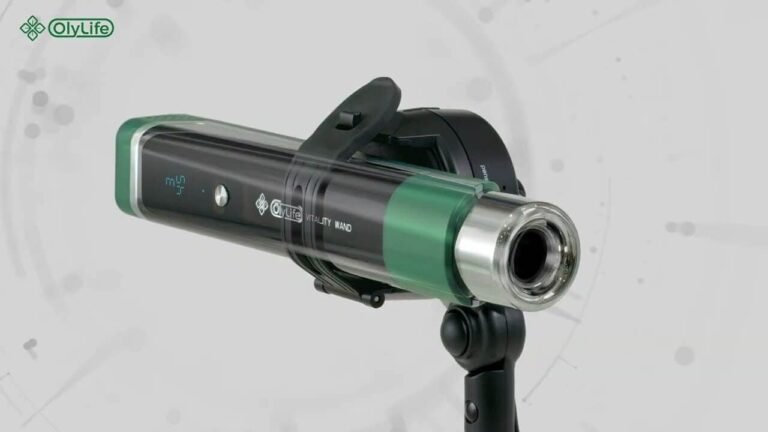
If you would rather have a smart, portable PEMF system than a large fixed mat, the OlyLife THz Tera-P90+ combines PEMF and terahertz technology in a compact device designed for convenient home use — a flexible alternative worth considering alongside traditional full-body mats.
🎁 Get a Free Wellness Gift
Enter your name and email below to receive a special wellness gift from OlyLife — absolutely free!
PEMF Therapy Mat vs. Other PEMF Devices

A mat is not your only option. Choosing well means matching the format to how you actually live.
- PEMF mat — best for whole-body relaxation and general wellness; portable enough to roll up and store. For a deeper look at the upside, see our complete guide to PEMF mat benefits.
- PEMF bed — a larger, often premium fixed setup for those who want a dedicated space.
- Mini mats and pads — ideal for targeted areas; if pain relief is your focus, our guide to the PEMF mat for pain relief is worth a read.
- Handheld devices and systems — most portable and precise for spot use; easy to travel with.
There is no single “best” format — only the best fit for your goals, space, and budget. Someone who wants a calming full-body wind-down will value a mat; someone targeting one stubborn area or who travels often may prefer a compact device. The quick comparison below can help you narrow things down at a glance.
| Format | Best for | Coverage | Portability |
|---|---|---|---|
| Full-body mat | Whole-body relaxation & general wellness | Head-to-toe | Rolls up; moderate |
| Mini mat / pad | Targeted areas (back, knees, shoulders) | Localized | High |
| PEMF bed | A dedicated, premium home setup | Whole-body | Low (fixed) |
| Handheld device / system | Spot use & travel | Pinpoint | Very high |
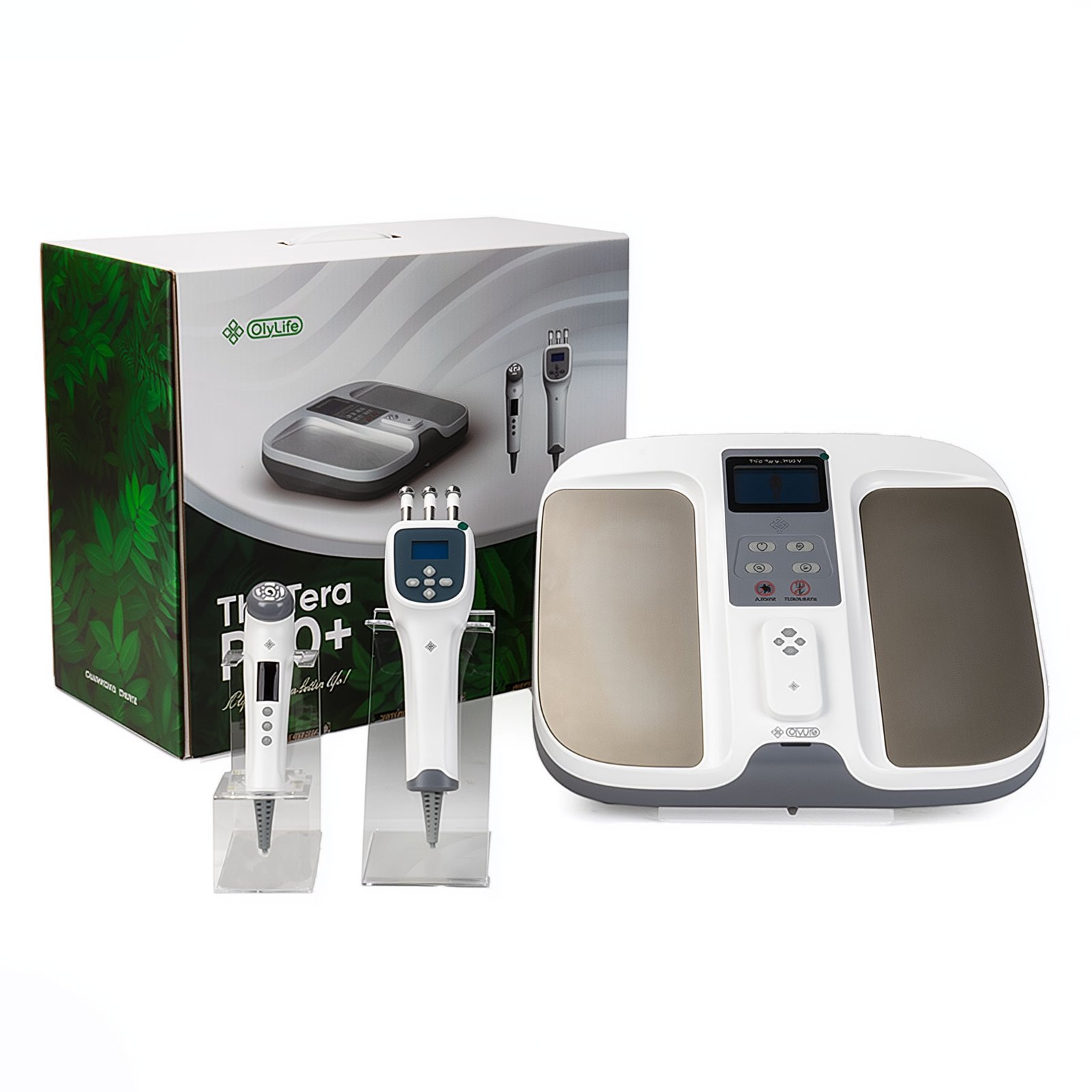
A Smart, Portable Way to Explore PEMF at Home
Prefer a compact system to a bulky mat? The OlyLife THz Tera-P90+ pairs PEMF with terahertz technology in one easy-to-use device — a flexible companion for your everyday wellness routine.
How to Use a PEMF Therapy Mat Safely

Getting the most from a mat is mostly about consistency and comfort. A typical approach looks like this:
- Session length: Many people start with short sessions of about 10–20 minutes, once or twice a day, adjusting to how they feel.
- Timing: Lower frequencies can feel calming and suit evening wind-downs; some mats offer more energizing settings for daytime.
- Consistency: Benefits, where they occur, tend to build gradually over several weeks rather than appearing instantly.
- Comfort: Lie in a relaxed position, breathe slowly, and treat it as restful downtime.
Most healthy adults tolerate low-intensity PEMF well, but a few groups should check with a doctor first. Do not use a PEMF mat without medical guidance if you have a pacemaker or other implanted electronic device, are pregnant, have epilepsy or a seizure disorder, have an active malignancy, or have recently had an organ transplant. When in doubt, ask your healthcare provider — PEMF is a complement to good care, never a substitute for it.
Frequently Asked Questions About PEMF Therapy Mats
Are PEMF therapy mats safe?
For most healthy adults, low-intensity home PEMF mats are considered well tolerated. The main exceptions are people with pacemakers or implants, those who are pregnant, and anyone with epilepsy, an active cancer, or a recent transplant — who should seek medical advice first.
How long does it take to notice anything?
Experiences vary widely. Some people describe feeling relaxed after a single session, while any cumulative wellness benefits generally build with consistent use over several weeks. PEMF is not an instant fix.
Do I need the most powerful, most expensive mat?
Not necessarily. Comfort, consistent use, adjustable settings, and an honest, transparent brand usually matter more than raw intensity or a premium price tag.
What is the difference between a PEMF mat and a PEMF bed?
Size and setup, mostly. Mats are portable and roll up for storage; beds are larger, often fixed systems. Our PEMF bed guide breaks down the trade-offs.
How often should I use a PEMF therapy mat?
There is no universal rule, but many people use a mat once or twice daily in short sessions, treating it like a consistent wellness habit rather than an occasional event. Start gently, pay attention to how you feel, and follow the specific guidance that comes with your device.
Are more expensive mats with infrared and gemstones worth it?
It depends on what you value. Far-infrared heat and gemstones can make sessions noticeably more comfortable and relaxing, which some people love. Just recognize that part of the premium pays for the heating element and materials — not the PEMF signal — so decide whether that added comfort is worth it for you.
Can a PEMF therapy mat replace medical treatment?
No. A PEMF therapy mat is a general wellness tool that may support relaxation and recovery as part of a healthy lifestyle. It is not a treatment for any disease and should never replace care from a qualified professional.
Final Thoughts
A PEMF therapy mat can be a genuinely enjoyable addition to a home wellness routine — a dedicated few minutes to lie down, slow your breathing, and support your body’s natural sense of balance. The key to a good purchase is simple: understand the technology, keep your expectations grounded in what the research actually shows, and favor brands that are transparent about their frequencies, intensity, and claims.
Take your time, compare formats honestly against how you live, and choose the option that fits your goals and budget. An informed buyer is a confident one — and that confidence is the best foundation for any wellness investment. 🌿
This article is for general educational purposes only and is not medical advice. PEMF wellness products are not intended to diagnose, treat, cure, or prevent any disease. Always consult a qualified healthcare professional before starting any new wellness practice, especially if you have a medical condition or use an implanted device.