PEMF Bed: What It Is, Benefits, and How to Choose One
If you have spent any time exploring at-home wellness technology, you have probably come across the term PEMF bed — a full-body surface you lie on that delivers gentle pulsed electromagnetic fields while you rest. It sounds futuristic, and the marketing around it can be confusing, with prices ranging from a few hundred dollars to well over five thousand. So what exactly is a PEMF bed, what does the research actually suggest it may support, and how do you choose one without overpaying for hype?
This guide walks through it all in plain language: what a PEMF bed is (and how it differs from a mat or a pad), how the technology works, the benefits that research genuinely supports versus the claims that are overstated, the specs that matter when you buy, how to use one safely, and answers to the questions people ask most. Our goal is simple — to be the most honest, useful resource on this topic so you can make a confident, informed decision. 🌿
What Is a PEMF Bed?

A PEMF bed is a full-body therapy surface — usually a flexible mat you place on your bed, the floor, or a treatment table — that contains a series of copper coils. When powered on, those coils generate pulsed electromagnetic fields (PEMF) that pass gently through your body while you lie down for a session, typically 8 to 40 minutes. The word “bed” simply describes its size and how you use it: it is large enough to lie your whole body on, so it feels more like resting on a bed than using a small device.
Here is where the terminology gets muddy, because brands use these words loosely:
- PEMF bed or full-body mat — a large surface covering most of your body from shoulders to legs, designed for whole-body sessions.
- PEMF pad or targeted applicator — a smaller accessory that focuses the field on one area, such as the lower back, a knee, or a shoulder.
- PEMF ring or coil — a compact loop for very localized use on a joint or specific spot.
- Clinical PEMF bed — a higher-intensity system found in wellness centers, sometimes built into an actual padded table or mattress.
In everyday shopping, “PEMF bed,” “PEMF mat,” and “full-body PEMF” often refer to the same category of consumer product. The key distinction is coverage: a bed or full-body mat treats your whole body at once, while pads and rings target a specific area. Pulsed electromagnetic field technology is the same idea whether the applicator is large or small — you can read more in our complete guide to PEMF therapy benefits and our overview of PEMF mat benefits.
How Does a PEMF Bed Work?

Every cell in your body carries a small electrical charge, and your tissues are constantly exchanging electrical and chemical signals. PEMF technology is built on a simple premise: delivering gentle, low-frequency electromagnetic pulses — comparable in some ways to the Earth’s own natural magnetic field — may help support the body’s normal cellular activity. As the pulses pass through skin, muscle, and deeper tissue, researchers believe they may influence processes such as circulation, cellular signaling, and the body’s natural recovery pathways.
A few technical terms explain how one PEMF bed differs from another:
- Frequency (measured in hertz, Hz) — how many pulses occur per second. Most peer-reviewed PEMF research uses frequencies in the roughly 1–50 Hz range. Lower frequencies tend to feel calming and are often used in the evening, while higher frequencies feel more energizing.
- Intensity (measured in gauss or microtesla) — the strength of the field. Consumer beds generally run at lower intensities than clinical systems.
- Waveform — the shape of the pulse (such as sine, square, or sawtooth). Some devices offer several waveforms and preset programs.
It is worth being realistic here: consumer PEMF beds operate at much lower intensities than the medical systems used in research settings, and outcomes vary by device, protocol, and person. If you want a deeper mechanical explanation, our article on how PEMF therapy works breaks it down further, and you can see how PEMF sits alongside other approaches in our guide to frequency healing devices.
PEMF Bed Benefits: What the Research Suggests

This is where honesty matters most. PEMF is a genuinely researched technology, but not every claim you will see online is equally supported. It helps to think about the evidence in three tiers.
Well-established: bone healing
The strongest evidence sits with bone repair. PEMF has been FDA-cleared to support the healing of certain bone fractures and non-unions since the late 1970s. This is the most established, clinically accepted use — though it involves specific medical devices and protocols, not general wellness mats.
Promising and actively researched
A growing body of research explores PEMF for pain and physical function. Recent systematic reviews suggest PEMF may reduce short-term pain and improve function in conditions like osteoarthritis and shoulder impingement, though reviewers note the overall quality of evidence is often low to moderate. PEMF is also studied for its potential effects on circulation and inflammation. Many people use a PEMF bed hoping to support:
- Comfort and everyday stiffness — research suggests PEMF may help reduce perceived pain and stiffness for some people. Our guide to PEMF therapy for osteoarthritis looks at this in detail.
- Circulation — pulsed fields are thought to support healthy blood flow, which is central to how the body delivers oxygen and nutrients to tissues.
- Recovery and relaxation — many users lie on a mat as part of a wind-down or post-exercise routine. See our article on PEMF recovery for how this fits into an active lifestyle.
- Rest and calm — lower-frequency settings are commonly used in the evening to support relaxation, which pairs naturally with good sleep hygiene habits.
Overstated: claims to be cautious about
Be skeptical of any product that promises to “detox” your body, “cure” disease, or deliver dramatic results overnight. PEMF is best understood as a supportive wellness tool that may complement healthy habits — not a treatment that replaces medical care. Marketing that leans on vague phrases like “medical grade” or “NASA technology” without context deserves a careful, questioning eye. When you read any health claim, look for the specific research behind it rather than the excitement around it.
What to Look For When Choosing a PEMF Bed

PEMF beds range from around $200 for basic imports to $6,000 or more for premium systems, and the spec sheets rarely make it easy to compare them fairly. Here is what genuinely matters:
- Frequency range — look for a device that covers the researched low-frequency band and ideally lets you choose between calming and energizing settings.
- Intensity control — adjustable intensity (in gauss) lets you start gently and build up as you get comfortable.
- Waveform and programs — multiple waveforms and clear preset programs make a device easier to use day to day. A simple, reliable interface often beats an overly technical one.
- Coverage and size — a true full-body bed should comfortably fit from your shoulders to your thighs. Consider whether you also want a smaller pad for targeted areas.
- Added heat — some mats layer in far-infrared or gentle warmth for comfort. If that appeals to you, our guide to far infrared explains how that band works.
- Build quality and support — durable materials, a clear warranty, and responsive customer service are worth paying for.
- Transparency — reputable brands publish their actual specs (frequency, intensity, waveform) rather than hiding behind buzzwords.
Not everyone wants a large, fixed surface. If you value flexibility, a portable device that combines PEMF with terahertz frequency technology can be an appealing alternative. The OlyLife THz Tera-P90+ is a smart PEMF and terahertz therapy system designed for targeted, whole-body use at home — a compact option for anyone who prefers portability over a full bed. You can learn more about the frequency side of the technology in our terahertz therapy guide.
🎁 Get a Free Wellness Gift
Enter your name and email below to receive a special wellness gift from OlyLife — absolutely free!
How to Use a PEMF Bed

PEMF works at the cellular level, and its effects are thought to be cumulative — meaning consistency tends to matter more than long, occasional sessions. Most consumer guidance points to a simple, gentle routine:
- Session length — start with about 15–20 minutes and build toward 20–30 minutes, once or twice a day, which is the common maintenance rhythm for most mats.
- Timing — many people use higher-frequency, energizing settings in the morning and lower-frequency, calming settings in the evening as part of a wind-down. Pairing an evening session with relaxing rituals — like the ones in our guide to stress relief and relaxation techniques — can make it feel especially restful.
- Consistency — recovery, circulation, and comfort benefits are typically reported to build gradually over roughly 4–8 weeks of regular use, so patience helps.
- Hydration and comfort — drink water, wear comfortable clothing, and simply relax, read, or rest during your session.
Think of a PEMF bed as one supportive habit within a broader wellness routine. It pairs naturally with other restorative practices — from grounding and gentle lymphatic support to good sleep. If rest is your main goal, our guide on how to improve sleep quality naturally and our overview of magnesium for sleep are helpful companions.
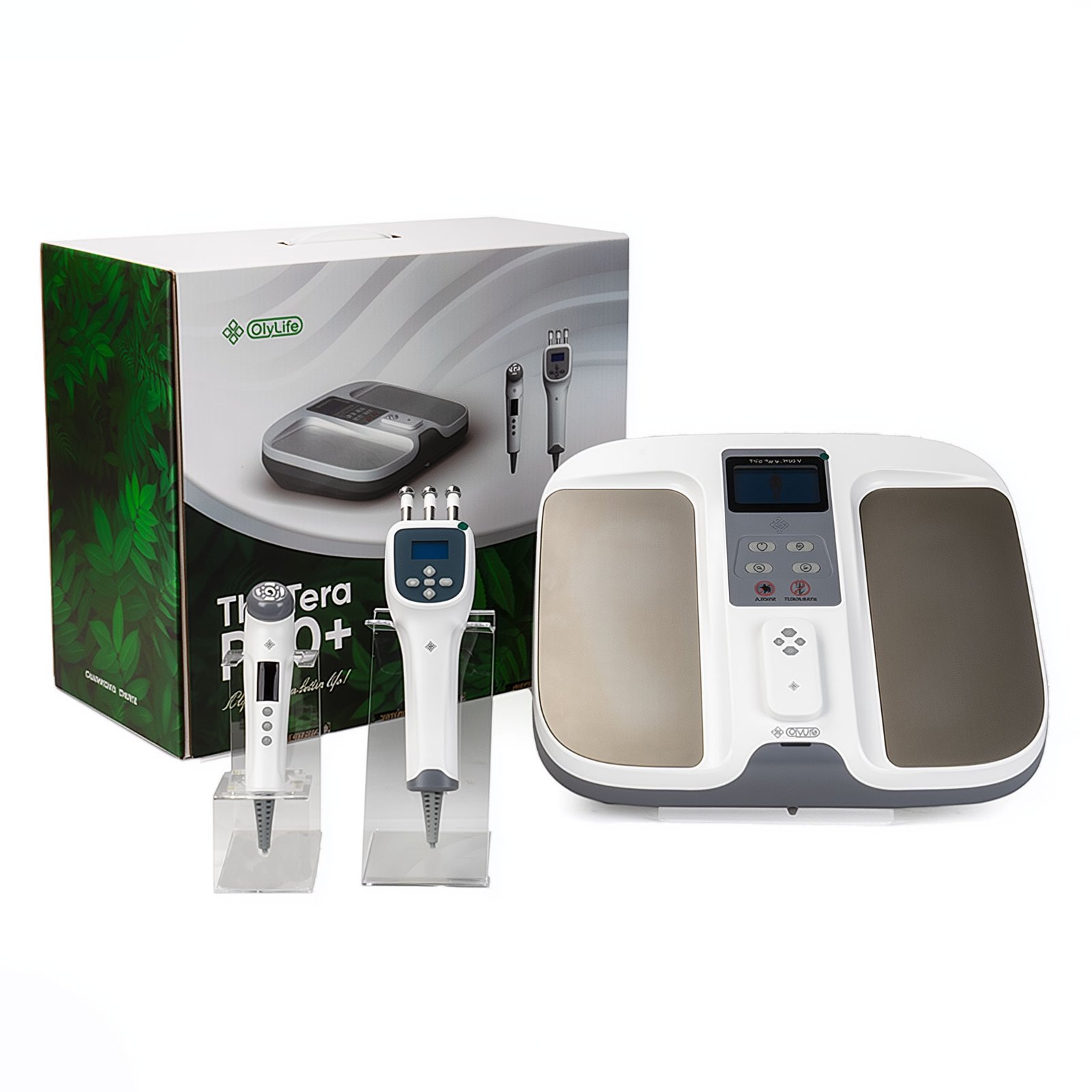
Prefer Portable Over a Full Bed?
The OlyLife THz Tera-P90+ brings smart PEMF and terahertz frequency technology into a compact, whole-body device you can use anywhere at home — a flexible alternative to a large, fixed PEMF bed.
Safety and Who Should Avoid a PEMF Bed

For most healthy adults, short daily PEMF sessions are generally considered safe and well tolerated. That said, PEMF is not appropriate for everyone, and a few groups should avoid it or seek medical clearance first:
- People with pacemakers or other electronic implants — electromagnetic fields can interfere with these devices.
- Anyone who is pregnant — PEMF has not been established as safe during pregnancy.
- People with active cancer or a malignancy — use only with explicit guidance from your medical team.
- Those with a history of seizures or epilepsy.
- People with active bleeding, or who have had a recent organ transplant.
If you have any ongoing health condition or take prescription medication, the safest first step is a conversation with your doctor. A PEMF bed is a wellness tool, not a substitute for medical diagnosis or treatment — and if you are exploring it for persistent pain, our guide to natural therapy for pain offers a broader, balanced perspective, as does our look at red light therapy at home.
Frequently Asked Questions About PEMF Beds
Is a PEMF bed the same as a PEMF mat?
In most consumer contexts, yes. “PEMF bed,” “full-body PEMF mat,” and “PEMF mat” usually describe the same type of large surface you lie on. The word “bed” simply emphasizes its full-body size. Smaller pads and rings, by contrast, are designed to target specific areas rather than the whole body.
How long does it take to feel results?
Experiences vary widely. Some people notice a sense of relaxation during or right after a session, while comfort, circulation, and recovery benefits are more often reported to build gradually over about 4–8 weeks of consistent use. PEMF effects are generally described as cumulative, so regular use tends to matter more than any single long session.
How often should I use a PEMF bed?
A common approach is 20–30 minutes once or twice a day. Many people start shorter and gentler, then build up. Consistency is usually more valuable than intensity.
Are PEMF beds safe?
For most healthy adults, short daily sessions are considered safe. However, they are not recommended for people with pacemakers or electronic implants, during pregnancy, or for those with active cancer, seizure history, active bleeding, or a recent transplant without medical clearance. When in doubt, check with your doctor.
Do I need an expensive PEMF bed to see benefits?
Not necessarily. Price often reflects build quality, program variety, intensity range, and brand support rather than a guarantee of better results. Focus on transparent specs — frequency, intensity, and waveform — and a reputable brand, rather than the highest price tag. A portable device can also be a practical, lower-cost entry point.
Can a PEMF bed replace medical treatment?
No. PEMF is best viewed as a complementary wellness practice that may support your body’s natural processes. It is not a cure for any disease and should never replace advice, diagnosis, or treatment from a qualified healthcare professional.
Final Thoughts
A PEMF bed can be an appealing addition to a thoughtful wellness routine — a comfortable way to spend 20 quiet minutes supporting circulation, recovery, and relaxation while you rest. The key is to approach it with clear eyes: understand what a PEMF bed actually is, lean on the research that genuinely supports it, and stay skeptical of dramatic claims. Choose based on transparent specs and a trustworthy brand, use it consistently, and treat it as one supportive habit alongside good sleep, movement, and nourishing food.
Whether you opt for a full-body bed or a more flexible portable device, the best wellness tools are the ones that fit naturally into your life and that you will actually use. Here is to making calm, informed choices for your wellbeing. ✨
This article is for educational purposes only and is not intended to diagnose, treat, cure, or prevent any disease. Always consult a qualified healthcare professional before starting any new wellness practice, especially if you have an existing health condition.