PEMF Therapy: A Complete Evidence-Informed Guide
PEMF therapy — short for pulsed electromagnetic field therapy — is one of the most talked-about tools in the natural wellness world right now, and for good reason. It uses gentle, pulsing magnetic fields to interact with your body at the cellular level, and a growing body of research suggests it may support comfort, recovery, circulation, and relaxation. If you have been curious about what PEMF therapy actually is, how it works, and whether it belongs in your own wellness routine, you are in the right place.
In this complete, evidence-informed guide, we will walk through the science in plain language, explore the benefits research points to, look honestly at what the studies do and do not show, and cover everything you need to know about using PEMF safely at home. Think of this as the friendly, thorough explainer we wish everyone had before they started. As always, PEMF is a wellness practice — not a replacement for medical care — so we will keep things grounded and practical throughout.
What Is PEMF Therapy?

PEMF therapy is a wellness practice that delivers low-frequency, pulsing electromagnetic fields to the body. These are the same kind of gentle magnetic fields the Earth itself produces, just shaped into rhythmic pulses and delivered through a mat, pad, ring, or handheld device. You cannot usually feel them directly — there is no heat and no electrical shock — yet your cells are quietly responding the whole time.
The idea is not new. Humans have been fascinated by magnetism and healing for centuries, but modern PEMF has its roots in the mid-twentieth century, when researchers began studying how electromagnetic fields influenced bone repair. That work eventually led the U.S. Food and Drug Administration to clear certain medical PEMF devices for specific uses, such as supporting the healing of nonunion bone fractures and as an adjunct in some spinal fusion surgeries. From those clinical beginnings, the technology has expanded into the broader wellness space, where at-home devices are now used to support everyday recovery and relaxation.
It helps to separate two worlds here. Clinical PEMF devices are regulated medical tools used under professional supervision. Consumer wellness devices — like the ones you can use at home — are designed to support general wellbeing, not to treat disease. Both rest on the same underlying principle, but they serve different purposes. If you want the foundational overview first, our guide on what PEMF is and how it may support you is a great companion to this article.
How Does PEMF Therapy Work?

To understand how PEMF therapy works, it helps to zoom all the way in — to the level of a single cell. Every cell in your body carries a small electrical charge across its membrane, often called the membrane potential. This charge is a bit like a battery. When cells are healthy and well-rested, that battery stays nicely charged. When you are stressed, fatigued, inflamed, or recovering from exertion, that charge can dip.
PEMF works by sending pulsing magnetic fields through the body. Because magnetic fields and electrical charges are deeply linked, these pulses are thought to gently encourage healthy cellular activity — supporting the movement of ions like calcium, sodium, and potassium across the cell membrane. Researchers believe this may help cells maintain their charge, support normal circulation in the tiny vessels around them, and encourage the body’s own recovery processes.
The frequency of the pulses matters, too. PEMF devices operate in very low frequency ranges, often measured in hertz (Hz) — from under 1 Hz up to around 30 Hz or more, depending on the device and the intended effect. Lower frequencies are generally associated with calm and rest, while slightly higher ones are often linked with energy and activity. This is why many quality devices let you choose different programs. If the idea of frequency-based wellness fascinates you, you may enjoy our deeper look at frequency healing and vibration therapy.
There is also a beautifully simple idea at the heart of PEMF: your body evolved surrounded by the Earth’s natural electromagnetic field. Some researchers and practitioners believe that gentle, low-frequency pulses echo these familiar natural rhythms — a concept that has drawn comparisons to the calming effects people report from spending time grounded and barefoot outdoors. Whether or not that connection fully explains PEMF’s effects, it is a helpful way to picture why a non-invasive magnetic practice might feel so naturally soothing.
It is worth being honest: scientists are still mapping out exactly which mechanisms matter most, and how much. The cellular story above reflects the leading theories, and research continues to refine them. What we can say is that PEMF is non-invasive, drug-free, and generally well tolerated — which is a big part of its appeal.
Potential Benefits of PEMF Therapy

So what might PEMF therapy actually do for you? Here is where we want to be careful and clear: PEMF is studied as something that may support the body, not as a cure for any condition. With that framing in mind, here are the areas research and traditional use most often point to.
May support comfort and everyday aches
One of the most common reasons people explore PEMF is to support physical comfort. Some studies suggest pulsed electromagnetic fields may help the body manage ordinary aches related to activity, stiffness, and the normal wear of daily life. Many users describe feeling looser and more at ease after regular sessions.
May support recovery and circulation
Because PEMF is thought to encourage healthy microcirculation, it is popular among active people looking to support recovery after movement and exercise. If recovery is your main interest, our focused guide on how PEMF may support muscle and athletic recovery dives deeper into this topic.
May support relaxation and sleep quality
Lower-frequency PEMF programs are often used in the evening to encourage a sense of calm. A relaxed nervous system is one of the foundations of good rest, which is why many people pair PEMF with other sleep-friendly habits. For a complete routine, see our evidence-informed guide to improving sleep quality naturally.
May support bone and joint wellness
The clearest clinical evidence for PEMF comes from the bone-healing research that started it all. While consumer wellness devices are not medical treatments, this body of research is part of why PEMF is so widely studied and respected as a supportive modality.
May support a sense of energy and vitality
Beyond comfort and rest, many people turn to PEMF simply to feel more like themselves. Because the practice is thought to support healthy cellular activity and circulation, some users describe a gentle lift in everyday vitality and focus after consistent sessions. It is a subtle, cumulative kind of benefit — less a jolt and more a steady sense of feeling balanced and well. As with everything PEMF, individual experiences differ, and it works best as one supportive piece of a bigger healthy-living picture.
Across all of these areas, the honest takeaway is the same: PEMF may support your body’s own processes, and many people find it a relaxing, worthwhile addition to their routine. Results vary from person to person, and consistency tends to matter more than intensity.
What Does the Research Say About PEMF Therapy?
Good wellness decisions start with a clear-eyed look at the evidence, so let us separate what is well established from what is still emerging.
What is well established: Decades of research support PEMF’s role in bone healing, which is why specific medical devices have earned regulatory clearance for uses such as nonunion fractures. This is the strongest, most mature area of the science.
What is promising but still emerging: A growing number of studies — including reviews published in recent years — explore PEMF for comfort, recovery, circulation, and relaxation. Many report encouraging results, but researchers consistently note that studies vary in size, quality, and design. In other words, the signal is promising, but more large, rigorous trials are needed before firm claims can be made.
What we should be cautious about: You will sometimes see dramatic, sweeping health claims attached to PEMF online. These overreach what the science currently supports. A trustworthy approach treats PEMF as a supportive wellness practice — one that may complement, but never replace, professional medical care. Reputable medical sources echo this balanced view, encouraging people to talk with a healthcare provider before starting PEMF, especially if they have a health condition.
We take the same approach across our content. If you appreciate this kind of honest framing, you may like our look at functional versus conventional medicine and our candid guide to scalar energy, where we separate evidence from hype.
🎁 Get a Free Wellness Gift
Enter your name and email below to receive a special wellness gift from OlyLife — absolutely free!
What to Expect: Using PEMF Therapy at Home
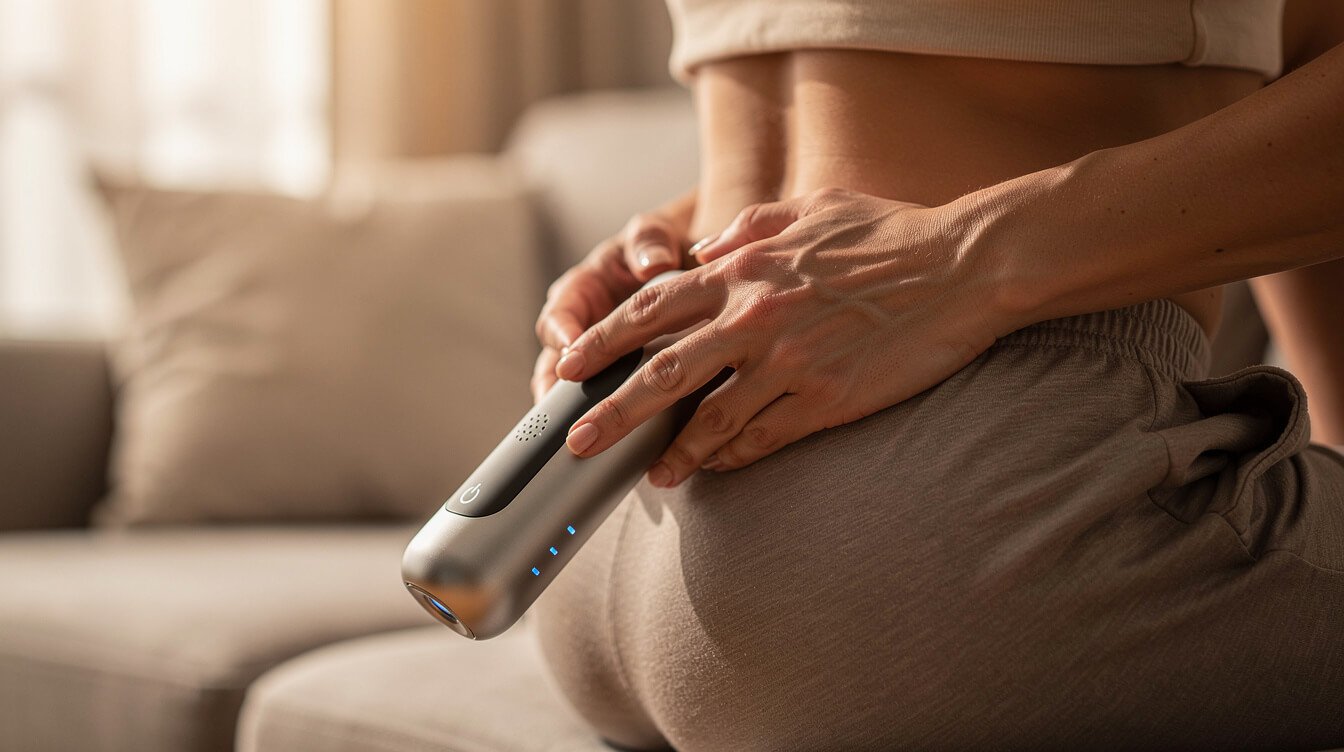
One of the best things about modern PEMF is how approachable it has become. You no longer need to visit a clinic — well-designed home devices make it easy to fold PEMF into your daily rhythm. Here is what a typical experience looks like.
Choosing a device. PEMF comes in several forms. Full-body mats are great for whole-body relaxation and are often used lying down. Handheld wands and targeted devices are ideal for focusing on a specific area, like the shoulders, lower back, or knees. Some premium systems combine PEMF with complementary modalities such as terahertz and far infrared for a layered experience — you can read more about one of those in our guide to far infrared and how it supports wellness.
A typical session. Most sessions last anywhere from 8 to 30 minutes. You simply position the device on or near the area you want to support, choose a program or frequency, and relax. There is usually no heat, tingling, or discomfort — many people use the time to read, breathe, or rest. Starting with shorter sessions and building up gradually is a gentle, sensible approach.
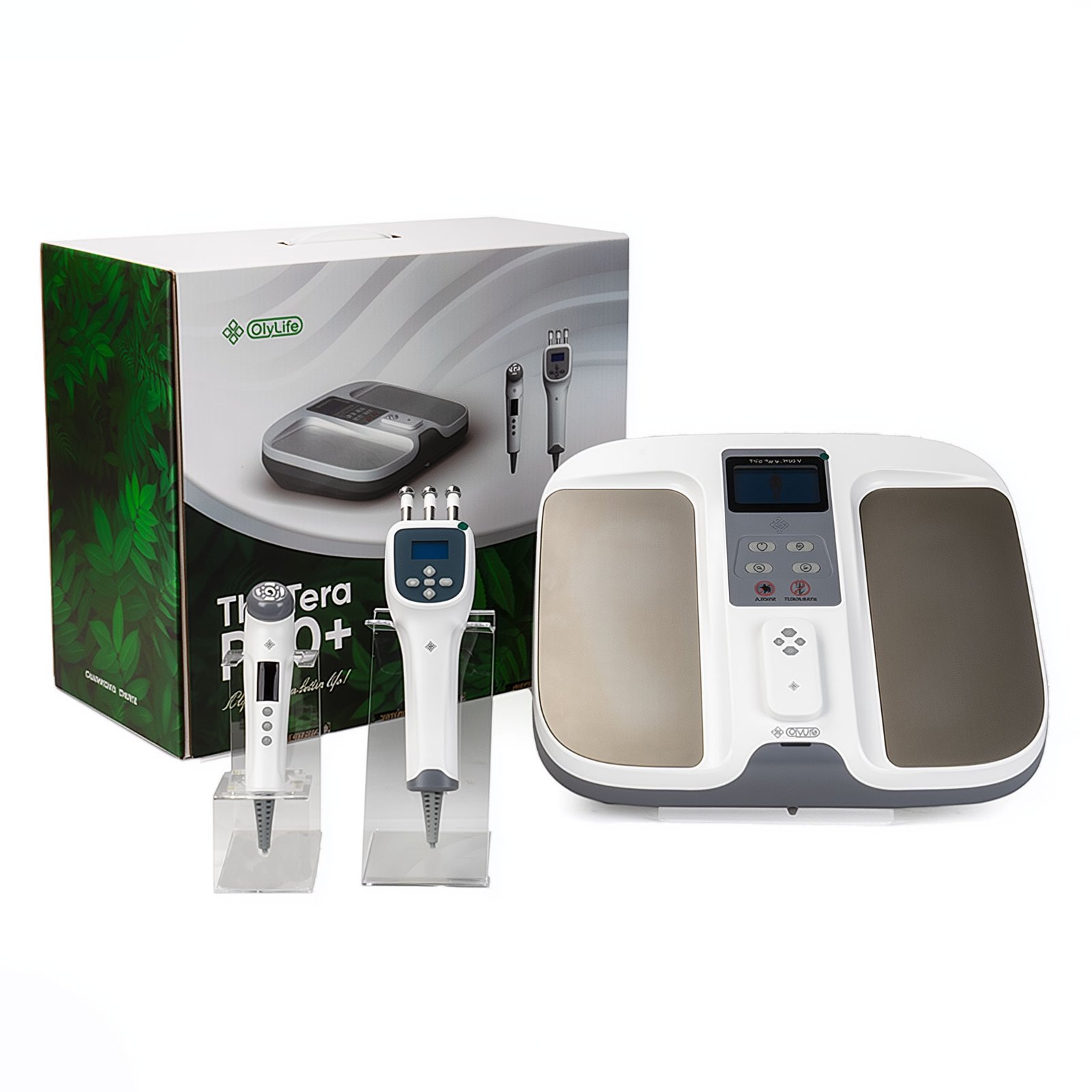
If you are looking for a device that brings this experience home, the OlyLife THz Tera-P90+ Smart PEMF and Terahertz Therapy System combines pulsed electromagnetic field technology with terahertz frequencies in one easy-to-use device — a popular choice for people who want a thoughtful, all-in-one addition to their wellness routine.
A simple beginner routine. If you are brand new, you might start with a short five-to-ten-minute session every other day for the first week, choosing a calming, lower-frequency program in the evening. From there, you can gradually extend your sessions and, if you like, add a gentle post-movement session to support recovery. Listen to your body, keep notes on how you feel, and adjust from there — there is no need to rush.
Building a routine. Consistency is where PEMF tends to shine. Many people enjoy a calming program in the evening to wind down, or a gentle session after movement to support recovery. Pairing PEMF with other supportive habits — good hydration, movement, and sleep — helps you get the most from it. For more device-specific guidance, our overview of the PEMF bed and how to choose one is a helpful next read.
Is PEMF Therapy Safe? Side Effects and Precautions

PEMF therapy is widely regarded as safe and well tolerated for most healthy adults. It is non-invasive and drug-free, and serious side effects are uncommon. That said, being informed is part of using any wellness tool responsibly, so here is what to keep in mind.
Possible mild effects. Some people notice very mild, temporary sensations when they first begin — such as a feeling of being slightly more tired as they relax, or light-headedness if they stand up too quickly after a calming session. These are usually brief. Starting with shorter sessions and staying hydrated helps.
Who should be cautious or avoid PEMF. There are a few important situations where you should speak with a healthcare provider before using PEMF, and in some cases avoid it entirely:
- People with electronic implants such as pacemakers, implantable defibrillators, insulin pumps, or cochlear implants — magnetic fields can interfere with these devices.
- Anyone who is pregnant — PEMF has not been established as safe during pregnancy, so it is best avoided.
- People with active bleeding or who are on certain medications — a professional can advise whether PEMF is appropriate.
- Anyone managing a diagnosed medical condition — always loop in your healthcare provider so PEMF fits safely alongside your care.
The golden rule is simple: when in doubt, ask a qualified healthcare professional. PEMF is meant to complement a healthy lifestyle and professional care, never to replace them. Used thoughtfully, it can be a gentle, enjoyable part of your wellness toolkit.
Bring PEMF Therapy Home
The OlyLife THz Tera-P90+ combines pulsed electromagnetic field technology with terahertz frequencies in one smart, easy-to-use system — a thoughtful way to support comfort, recovery, and relaxation in your own space. 🌿
Frequently Asked Questions About PEMF Therapy

How long does it take to feel the effects of PEMF therapy?
This varies from person to person. Some people notice a sense of relaxation during or shortly after their first session, while others find the supportive effects build gradually over several weeks of consistent use. PEMF tends to reward regularity more than intensity.
How often should I use PEMF therapy?
Many people use PEMF daily or several times a week, often in sessions of 8 to 30 minutes. It is wise to start with shorter, less frequent sessions and build up as you learn how your body responds. Always follow your device’s guidelines.
Can PEMF therapy be used alongside other wellness practices?
Yes — PEMF pairs naturally with habits like movement, good sleep, hydration, and other supportive modalities such as infrared sauna sessions. It is designed to complement a healthy lifestyle.
Is PEMF therapy the same as a regular magnet?
No. Static magnets, like fridge magnets or magnetic bracelets, produce a constant, unchanging field. PEMF uses pulsing electromagnetic fields that switch on and off at specific frequencies, which is central to how it is thought to interact with your cells.
Do I need a prescription to use PEMF at home?
Consumer wellness PEMF devices are available for general wellbeing without a prescription. Medical-grade PEMF devices used for specific clinical purposes are a different category. If you have a health condition, check with your healthcare provider before starting.
Still have questions? Our community favorite, five common questions about PEMF therapy, answered, covers even more.
Final Thoughts on PEMF Therapy
PEMF therapy sits at a lovely intersection of science and gentle, everyday self-care. It is non-invasive, drug-free, and rooted in decades of research — with a well-established record in bone healing and a growing, promising body of evidence for comfort, recovery, circulation, and relaxation. At the same time, it is not a miracle cure, and the most trustworthy way to approach it is with curiosity, consistency, and a healthy respect for what the science does and does not yet show.
If PEMF sounds like it might fit your lifestyle, start gently: choose a quality device, build a simple routine, pair it with other supportive habits, and check in with a healthcare provider if you have any health concerns. Wellness is a journey made of small, steady steps — and PEMF may be a calming, worthwhile companion along the way. 🌿