What Is PEMF? Your Complete Guide to Pulsed Electromagnetic Field Therapy
If you have spent any time exploring natural wellness, you have probably come across the term PEMF — and wondered what it actually means. So, what is PEMF? In short, PEMF stands for pulsed electromagnetic field therapy: a non-invasive wellness approach that uses gentle, pulsing electromagnetic fields to interact with your body at the cellular level. It has quietly moved from hospital physiotherapy departments and NASA research labs into living rooms, wellness studios, and recovery routines around the world.
In this complete guide, we will walk through exactly what PEMF is, how it is thought to work, where it came from, the different kinds of devices available, what research suggests it may support, and how to use it safely. Our goal is simple: to give you the clearest, most honest, and most genuinely useful explanation of PEMF anywhere online — so you can decide, with confidence, whether it belongs in your wellness routine. 🌿
What Is PEMF? A Simple Definition
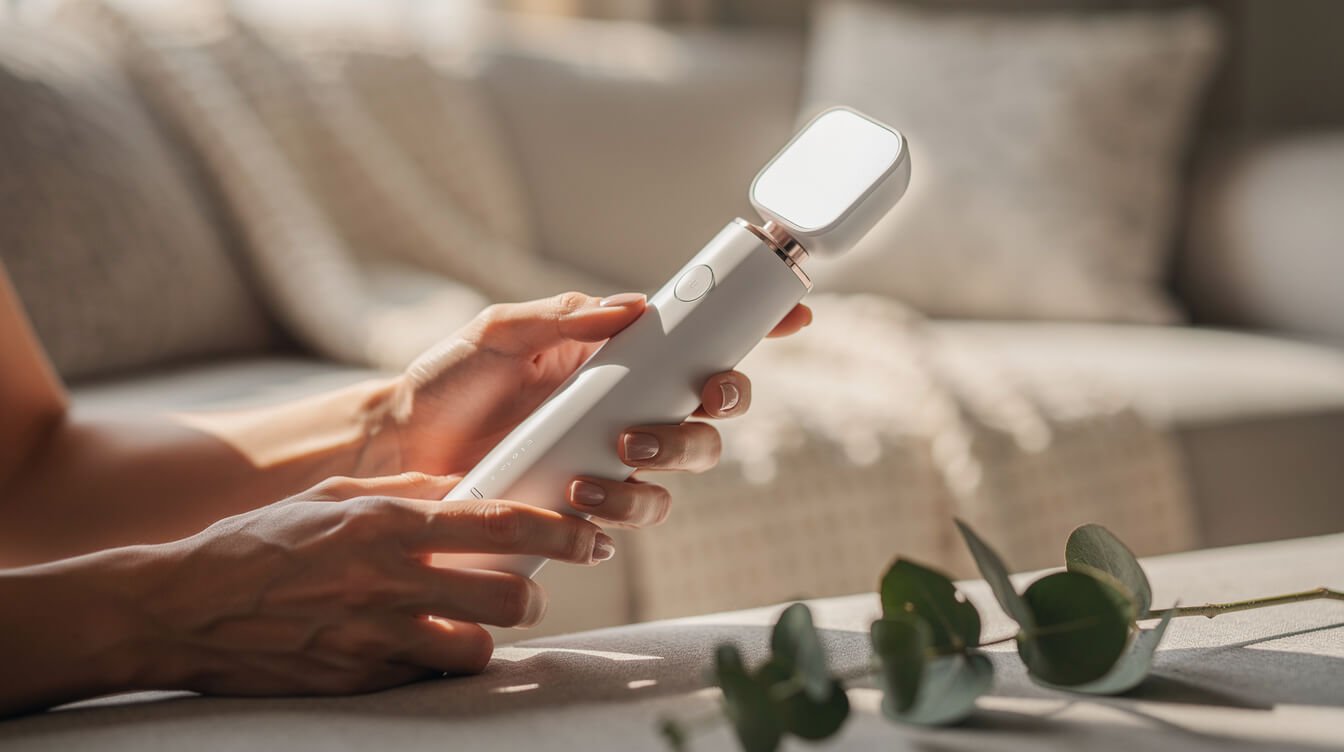
PEMF (pulsed electromagnetic field) therapy is the use of low-level, pulsing electromagnetic fields delivered to the body through a mat, pad, ring, or handheld device. The word “pulsed” is the key: instead of a constant magnetic field, the device sends out rhythmic bursts of energy that switch on and off many times per second. These gentle pulses pass painlessly through clothing, skin, and tissue.
Here is a helpful way to picture it. Every cell in your body carries a small electrical charge and behaves a little like a tiny battery. Everyday life — stress, poor sleep, injury, aging, inactivity — can leave cells running low. The idea behind PEMF is that brief, targeted electromagnetic pulses may help support the body’s own natural cellular activity, a bit like a gentle nudge that encourages cells to do what they already know how to do.
It is important to be clear from the start: PEMF is generally considered a complementary approach, meaning it is used alongside — not in place of — conventional care. According to the Cleveland Clinic, researchers are still studying PEMF, and it should be seen as a supportive tool rather than a cure for any condition. We will return to that honest, evidence-informed framing throughout this guide.
How Does PEMF Therapy Work?

To understand how PEMF is thought to work, it helps to zoom in to the level of the cell. Your cells are wrapped in membranes dotted with charged particles called ions — sodium, potassium, calcium, and others — that move in and out to keep the cell healthy and communicating. When a pulsed electromagnetic field passes through tissue, it is believed to cause a subtle movement of these ions, gently influencing the electrical environment around and inside each cell.
Published reviews of PEMF suggest this cellular “nudge” may ripple outward in several ways. Researchers have observed that PEMF may interact with signaling pathways inside cells (with technical names like MAPK and Wnt), and may influence processes involved in cell repair, inflammation regulation, and circulation. In plainer language, the theory is that PEMF may help support better oxygen and nutrient delivery to tissues, encourage the body’s natural recovery processes, and promote a sense of relaxation.
A useful analogy is the idea of a cell’s “charge.” Healthy cells maintain a stable difference in electrical charge across their membranes, sometimes called membrane potential. When cells are stressed, tired, or recovering from strain, that charge can become less stable. The gentle, rhythmic pulses of PEMF are thought to help support the natural electrical activity cells rely on to function, communicate, and recover. It is worth emphasizing the word support: PEMF does not force the body to do anything. Rather, the intention is to create favorable conditions and let your body’s own intelligence do the work — the same philosophy that guides most thoughtful natural wellness practices.
Frequency and intensity: not all pulses are equal
One reason PEMF can feel confusing is that different devices use very different settings. Two dials matter most:
- Frequency — how many pulses occur per second, measured in hertz (Hz). Research has explored lower frequencies (around 2 Hz) in the context of relaxation and sleep, mid-range frequencies (around 50 Hz) for comfort and recovery, and higher frequencies (200–300 Hz) in studies on bone.
- Intensity — the strength of the field, often measured in gauss. Wellness devices typically use gentle intensities you cannot feel, while some clinical research has used stronger settings.
The takeaway is not to memorize numbers, but to understand that a quality PEMF device offers a thoughtful range of settings rather than a single one-size-fits-all pulse. If you are curious about the broader family of vibration and frequency-based wellness, our guide to frequency healing devices puts PEMF in context alongside related approaches.
A Brief History of PEMF: From Fractures to Wellness
PEMF may feel like a modern wellness trend, but its roots run surprisingly deep. Interest in the relationship between electricity, magnetism, and living tissue stretches back well over a century. The modern turning point came in 1979, when the U.S. Food and Drug Administration approved the use of pulsed electromagnetic fields to help stimulate healing in non-union bone fractures — stubborn breaks that were not mending on their own.
From there, PEMF earned further recognition for supporting bone growth and reducing swelling after certain procedures. It also famously drew the attention of space researchers: astronauts in low gravity experience bone and muscle changes, and electromagnetic stimulation became an area of study for keeping tissue healthy in challenging environments. Over the following decades, smaller and smarter devices brought PEMF out of specialized clinics and into everyday wellness — from athletic recovery rooms to home therapy mats.
That journey, from a narrow medical approval to a broad wellness practice, is exactly why context matters so much with PEMF. The strongest, most established evidence sits in specific clinical uses like bone healing, while the wider wellness applications are promising but still being studied. Holding both truths at once is the honest way to talk about PEMF — and it sits comfortably alongside other evidence-informed modalities like energy healing and far infrared.
Types of PEMF Devices
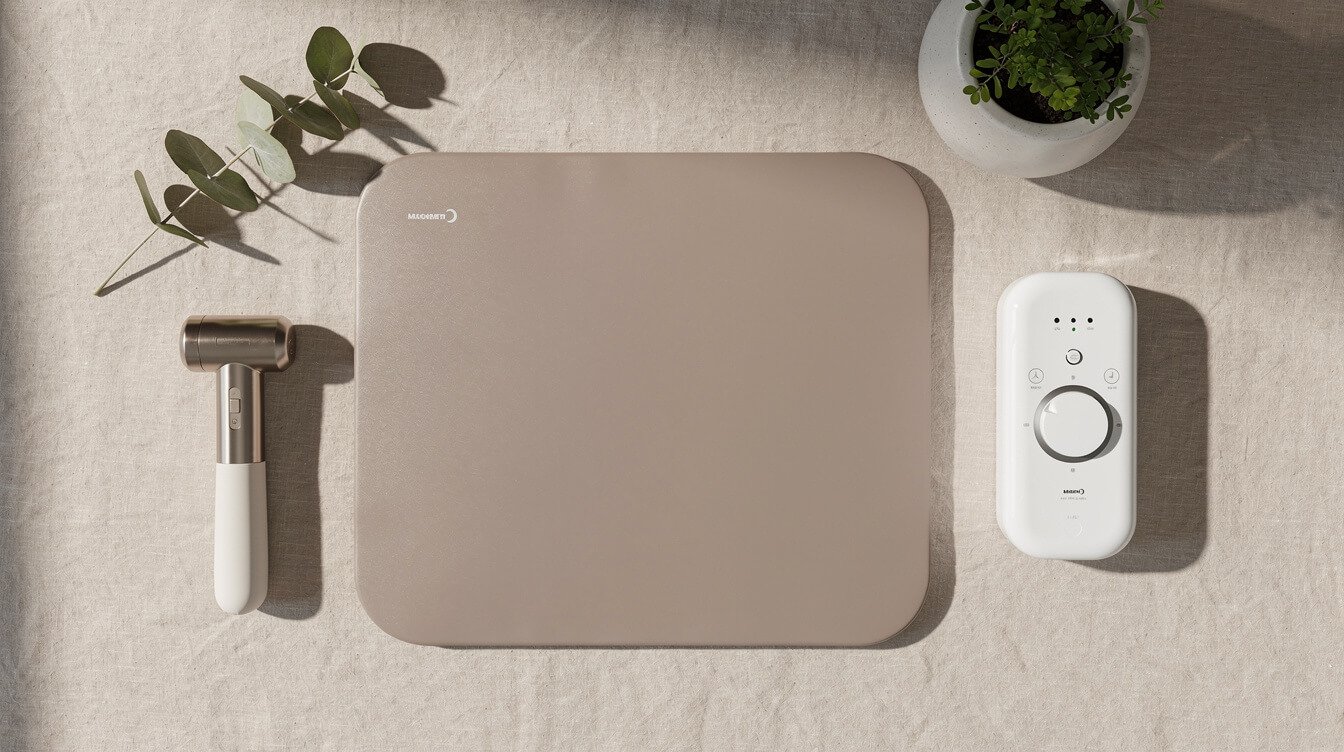
Once you start shopping, you will notice PEMF comes in several forms. Each suits a different lifestyle and goal:
- PEMF mats — full-body mats you lie on, ideal for whole-body relaxation and recovery sessions. Our guides to PEMF mat benefits and using a PEMF mat for pain relief explore these in depth.
- Handheld wands and rings — portable devices you hold over a specific area, perfect for targeting a tired shoulder, knee, or lower back.
- PEMF beds and larger systems — designed for immersive, regular sessions at home or in a studio. See our overview of the PEMF bed for what to expect.
- Smart hybrid devices — newer systems that combine PEMF with complementary technologies such as terahertz frequencies and gentle heat.
Many modern wellness devices now blend more than one approach in a single unit. For example, the OlyLife THz Tera-P90+ pairs PEMF with terahertz technology in one handheld system, so you can explore both in a single at-home routine. If you want to understand the terahertz side of that pairing, our complete guide to terahertz wands is a good next read.
How to Choose a PEMF Device: What to Look For
If you decide PEMF is worth exploring, choosing a device can feel overwhelming. Here are the practical factors worth weighing, so you can match a device to your real life rather than to marketing hype:
- Your main goal. Whole-body relaxation and recovery point toward a mat or bed; targeting a specific spot like a knee or shoulder points toward a handheld wand.
- Adjustable settings. A quality device offers a range of frequencies and intensities rather than a single fixed pulse, so you can tailor sessions to relaxation, comfort, or recovery.
- Build quality and support. Look for clear instructions, responsive customer service, and an honest, transparent brand that does not overpromise.
- Ease of use. The best device is the one you will actually use. Simple controls and a comfortable session length make consistency far easier.
- Multi-technology options. Some modern systems combine PEMF with complementary approaches like terahertz frequencies and gentle warmth, offering more versatility in one device.
Above all, be wary of any device or seller that promises to “cure” conditions or guarantees dramatic results. Honest wellness brands describe PEMF as supportive and complementary — because that is what the evidence currently supports. A realistic mindset will serve you far better than an inflated one.
🎁 Get a Free Wellness Gift
Enter your name and email below to receive a special wellness gift from OlyLife — absolutely free!
What Is PEMF Therapy Used For?

This is the question most people really want answered — so let us be both encouraging and honest. PEMF is being explored for a range of wellness goals, and while research is ongoing, several areas stand out. Remember, these describe what PEMF may support, not guaranteed results. Think of the list below as directions people commonly explore, each best approached with patience and realistic hopes.
Comfort and everyday aches
Many people turn to PEMF for general physical comfort. Research has examined PEMF in the context of pain and tension, and it is often used as one part of a broader, drug-free comfort routine that might also include gentle movement, stretching, warmth, and rest. It tends to work best not as a standalone fix but as one supportive layer within a bigger, kinder approach to how you feel each day. If natural comfort is your focus, you may also enjoy our guides to natural therapy for pain and PEMF and osteoarthritis.
Recovery and active lifestyles
Athletes and weekend warriors have embraced PEMF as a recovery tool. The thinking is that by supporting circulation and the body’s natural recovery processes, PEMF may help you bounce back and feel refreshed after activity. Our article on PEMF recovery digs into this use case.
Relaxation, calm, and sleep
Because lower-frequency settings are associated with relaxation, many people use PEMF as part of a calming wind-down ritual. Pairing it with good sleep-supporting habits may help set the stage for genuine, restful downtime.
Mood, stress, and everyday wellbeing
Because PEMF sessions are inherently calming — you pause, slow down, and give yourself a few quiet minutes — many people find the ritual itself supports a greater sense of balance and ease. Carving out intentional downtime is a small act of self-care that can ripple into better sleep, steadier energy, and a gentler relationship with daily stress. In that sense, the simple practice of stopping to use a PEMF device can be as valuable as the technology inside it.
General cellular wellness
At its heart, PEMF is about supporting the body’s own everyday cellular activity. Rather than targeting a single symptom, this “foundational” view sees PEMF as one way to help maintain the healthy internal environment your cells depend on day to day. For a deeper science-informed look at the documented and researched benefits, our complete guide to PEMF therapy benefits is the natural companion to this article, and our overview of PEMF mat benefits covers whole-body use in more detail.
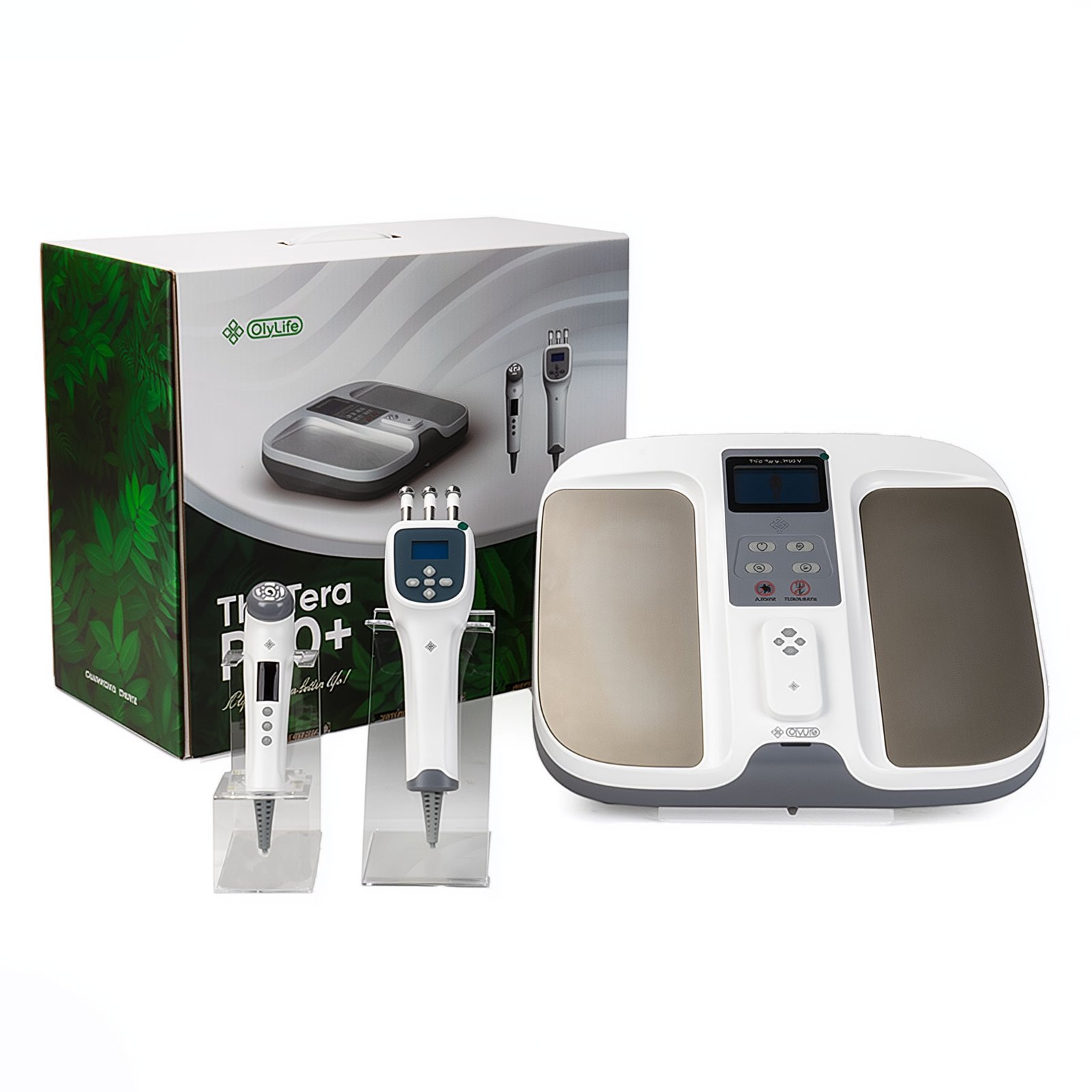
Bring PEMF Home with the Tera-P90+
Curious to experience PEMF for yourself? The OlyLife THz Tera-P90+ combines pulsed electromagnetic field and terahertz technology in one smart, easy-to-use device — so you can build a gentle, supportive wellness ritual at home.
Is PEMF Safe? Contraindications and What to Expect

For most healthy adults, PEMF is considered safe and well tolerated, and the gentle pulses are typically not something you can even feel. That said, being informed matters — especially because electromagnetic fields can interact with certain electronic medical devices.
Who should avoid PEMF or check first
Health authorities and device makers generally advise that the following groups avoid PEMF, or speak with a qualified healthcare professional before trying it:
- People with a pacemaker, defibrillator, insulin pump, or other implanted electronic device
- Anyone who is pregnant
- People with epilepsy or a seizure disorder
- Anyone using transdermal medication patches
- People with active bleeding, or those who have recently had an organ transplant
If any of these apply to you, this is not a reason for alarm — simply a reason to get personalized guidance first. When in doubt, always check with your doctor.
What a typical session feels like
Using a home PEMF device is refreshingly simple. You choose a program or setting, position the mat, wand, or pad over the area you would like to focus on, and relax for the recommended time — often somewhere between 8 and 30 minutes depending on the device and goal. Most people describe the experience as calming and pleasantly uneventful. Many like to pair it with quiet breathing, reading, or a short rest. Consistency tends to matter more than intensity, so a gentle, regular rhythm usually serves you better than occasional long sessions.
What Is PEMF? Frequently Asked Questions
Is PEMF therapy scientifically proven?
PEMF has well-established recognition in specific clinical uses, most notably supporting the healing of non-union bone fractures. Broader wellness applications show promise in research, but scientists agree more large, high-quality human studies are needed. The honest answer is: encouraging, and worth exploring, but not a proven cure for general health conditions.
How is PEMF different from an MRI or an X-ray?
PEMF uses very low-level, pulsed magnetic fields at gentle intensities. It does not use ionizing radiation the way an X-ray does, and its fields are far weaker and different in purpose from the powerful, continuous magnets used in an MRI.
How often should I use PEMF?
This depends on your device and your goals, so always follow the manufacturer’s guidance. As a general principle, shorter, consistent sessions tend to be the approach most people find sustainable and enjoyable.
Can I use PEMF alongside other wellness practices?
Yes — PEMF is often woven into a broader routine that may include movement, good sleep habits, breathwork, and other supportive therapies. For a wider view, our honest guide to scalar energy and our quick PEMF FAQ are helpful companions.
Final Thoughts: Is PEMF Right for You?
So, what is PEMF? It is a gentle, non-invasive wellness approach that uses pulsed electromagnetic fields to support your body’s own natural cellular activity — one with genuine clinical roots, a growing base of research, and a devoted following among people who value drug-free, supportive self-care. It is not a miracle, and it is not a replacement for good medical care. But used thoughtfully, as one warm and calming part of a balanced wellness routine, PEMF may be a rewarding tool to explore.
If you are drawn to natural, evidence-informed wellness, the best next step is simply to learn a little more and, if it feels right, to try a quality device with realistic expectations and a consistent rhythm. Whatever you choose, we are so glad you are taking an active, curious role in your own wellbeing. ✨
A gentle note: This article is for educational purposes only and is not medical advice. PEMF is a complementary wellness practice, not a treatment or cure for any medical condition. Always consult a qualified healthcare professional before starting PEMF or any new wellness practice, especially if you have a medical condition, are pregnant, or use an implanted electronic device.