Could a soft electromagnetic hum help wounds heal faster and give clearer skin scans, without cutting or radiation? Have you ever wondered if gentle energy could do that, um, without the risks of X-rays?
Terahertz waves (0.1 to 10 THz) are low-energy, non-ionizing electromagnetic waves, which means they don’t carry enough energy to damage DNA like X-rays do. They sit between microwaves and infrared, and clinicians use them to gently probe and nudge tissues just below the surface.
Because terahertz only reaches a few millimeters and produces minimal warmth, devices using it can map surgical margins, support faster wound repair, and improve dermatology imaging with little DNA risk. Early lab work and small clinical studies report reduced inflammation, quicker tissue repair, and sharper surface images, so terahertz therapy looks promising and worth a closer look. Oh, and here’s a neat trick: think of it like a mini, noninvasive scan and gentle nudge for your skin.
Terahertz Therapy: Definition, Mechanism & Biological Effects
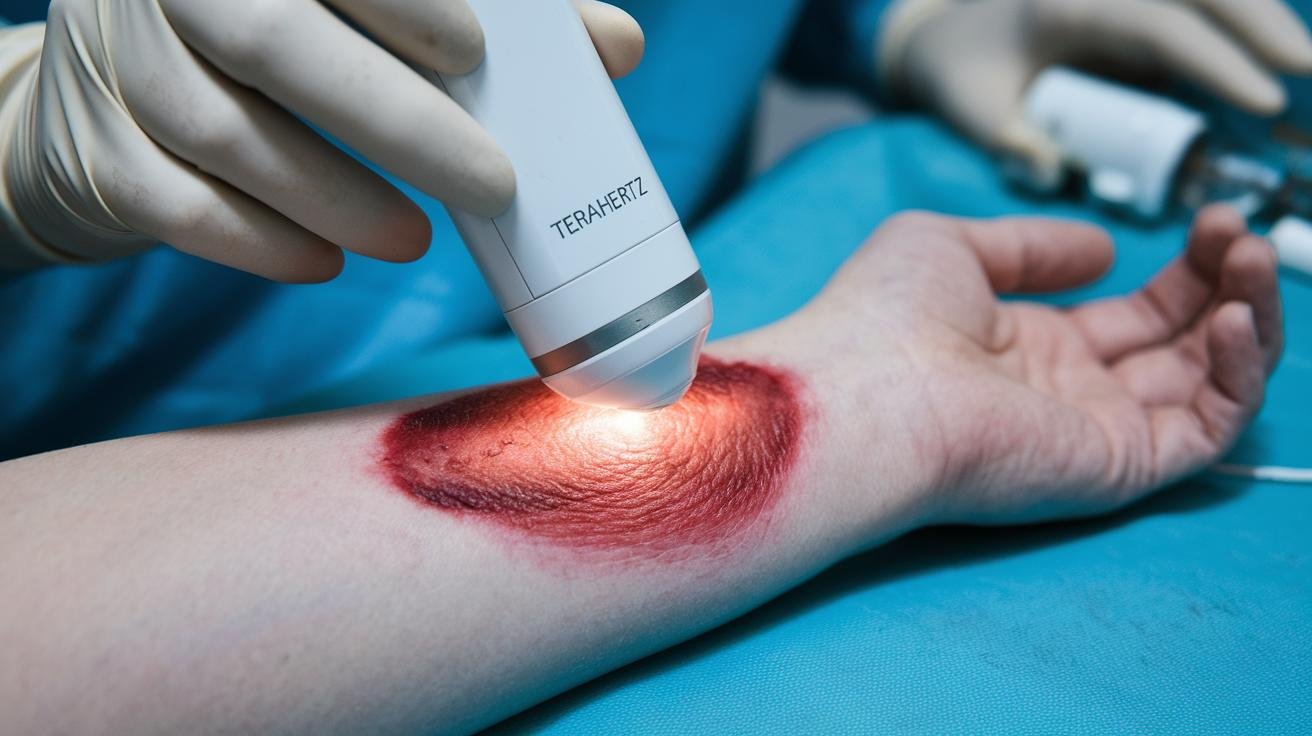
Terahertz therapy uses low-energy terahertz waves to treat and image tissues near the body surface. Clinicians most often use it for wound healing, high-resolution skin imaging, dermatology, and as a supportive treatment in oncology. Because terahertz waves are non-ionizing, they let doctors probe molecular changes without the DNA-damaging risks you get with X-rays. Have you ever wondered how that works? Let me explain.
Terahertz radiation sits between microwaves and infrared on the electromagnetic spectrum, usually in the range of 0.1 to 10 THz. Medical devices typically run at milliwatt power levels , commonly 1 to 50 mW , so heating of tissue is minimal. That low-energy, non-ionizing profile is a big reason researchers and clinicians are interested.
Water and many proteins absorb terahertz waves strongly, so the energy only penetrates a few millimeters into soft tissue. That shallow reach makes terahertz ideal for skin, wound beds, and mapping surgical surface margins, and not the best choice for deep organs. Device makers often use beam shaping and tight surface coupling to focus energy exactly where it helps most.
At the molecular level, terahertz waves nudge low-frequency vibrations and small rotations of water molecules and protein side chains. Those tiny, rhythmic motions can shift membrane potentials and tweak cellular metabolism, gently influencing ion channels and signaling pathways toward repair and calmer inflammation. Think of it like a soft, steady hum that encourages cells to reset, not a sudden shock.
Lab and early clinical studies report changes in hydration, small shifts in protein shape, and altered membrane behavior that link to faster tissue repair. Most studies show only a tiny thermal rise at therapeutic doses and no evidence of DNA strand breaks under standard exposures. Because power and exposure times stay low and controlled, the effects seen so far look driven by non-thermal interaction with molecular motion.
How you deliver the energy matters. Continuous-wave and pulsed modes at different frequencies can produce different responses. Tweaking pulse timing, duty cycle, and field strength helps match the effect to the target tissue. Clinicians and researchers are turning that control into safe, practical protocols for wound care, imaging, and supportive oncology work.
Next, we review clinical uses, device platforms, and the growing pool of human and animal studies that help shape real-world protocols and safety monitoring.
Terahertz Therapy Shows Promising Clinical Benefits
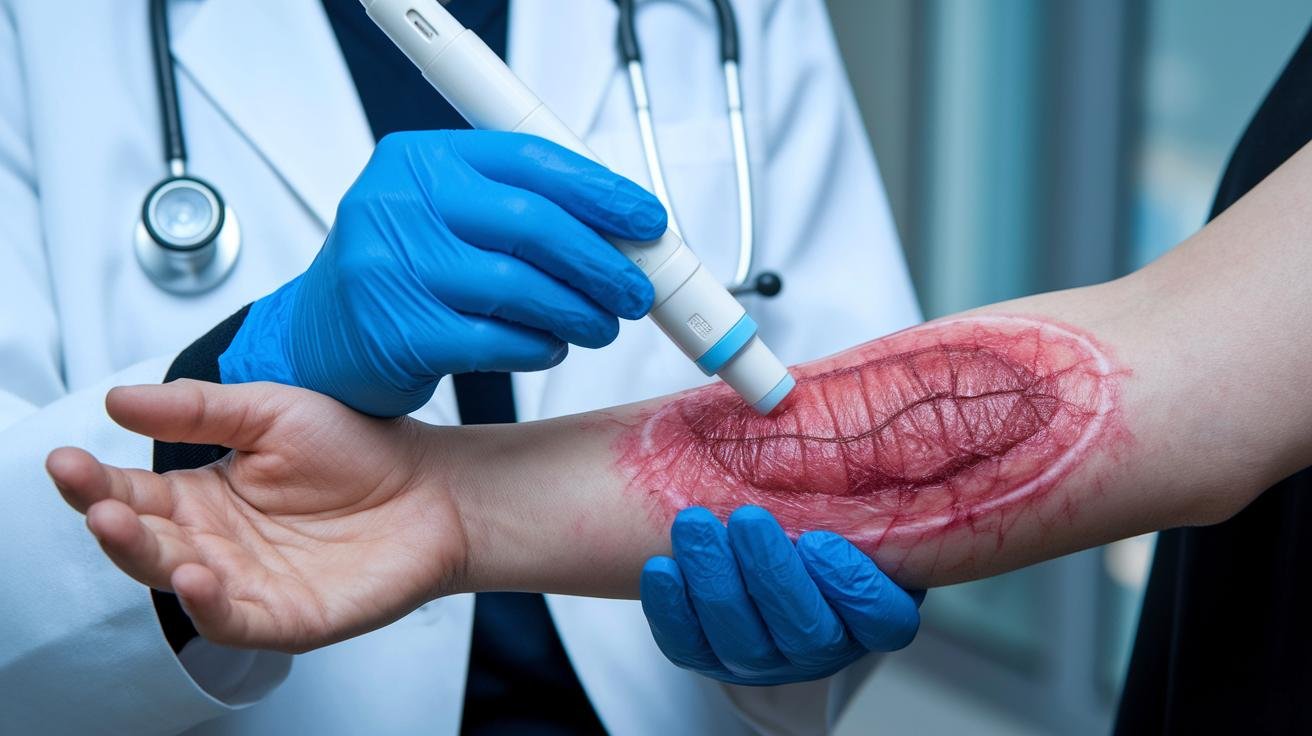
Terahertz therapy (uses terahertz waves, a type of electromagnetic radiation between microwaves and infrared) is showing real potential in clinics and labs. Researchers are finding practical uses in wound care, surface cancer imaging, dermatology, and supportive cancer treatments. It’s starting to feel like a gentle, noninvasive tool clinicians can add to their toolbox.
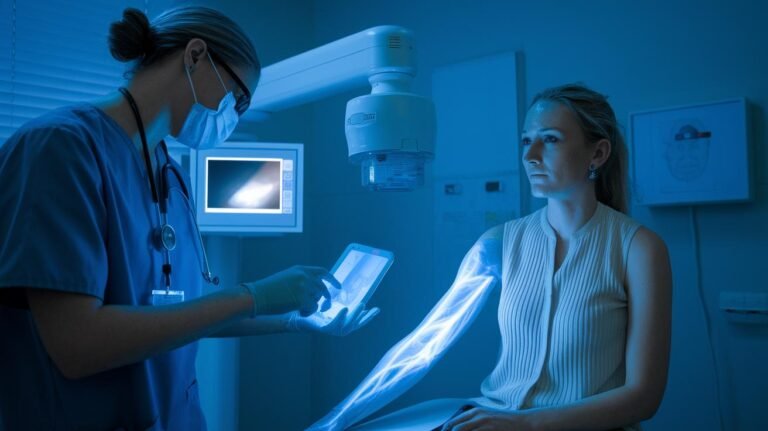
One reason people are excited is that terahertz techniques map water and small molecular changes right at the tissue surface. Think of it like a soft light tracing moisture and structure on the skin, revealing subtle signs of healing or disease you might otherwise miss. That gives doctors a new way to read what’s happening without cutting into tissue.
In early-stage cancer work, terahertz imaging is being used to highlight margins and tiny tissue differences with spatial detail down to about 20 micrometers (µm). That level of detail helps surgeons and pathologists tell healthy surface tissue from abnormal tissue. Some pilot studies even combine the imaging with short therapeutic exposures so teams can watch how tumors respond during treatment. Have you ever wanted a clearer, immediate read on a margin? This is heading that way.
Wound healing studies in animals look promising. Treated wounds closed roughly 20-30% faster and showed better tissue organization and less scarring. Oh, and for a deeper dive into experiments, see terahertz wave therapy for cellular regeneration. The likely reasons include improved microcirculation, smarter local hydration control, and milder inflammation. In human terms, it’s like giving tired tissue a soft nudge that speeds repair without invasive steps.
Dermatology applications focus on lesion assessment and hydration mapping. Terahertz can pick up tiny shifts in skin structure and moisture that the eye or a standard exam might miss. So it works nicely alongside dermoscopy or biopsies as a surface-level companion tool.
Terahertz can also act as a cancer treatment adjuvant, helping drugs penetrate cells more effectively while providing a near real-time window into how treatments are working. That can help clinicians tweak therapies sooner rather than later.
Key potential uses
- Cancer detection and margin mapping
- Wound healing and scar reduction
- Skin hydration and lesion diagnostics
- Supportive cancer adjuvant treatment
In truth, we still need larger trials and more clinical data, but the early roadmap looks practical and patient-friendly. Want to keep an eye on this? It’s one of those quietly exciting areas in medical tech.
Terahertz Therapy Devices and Technologies
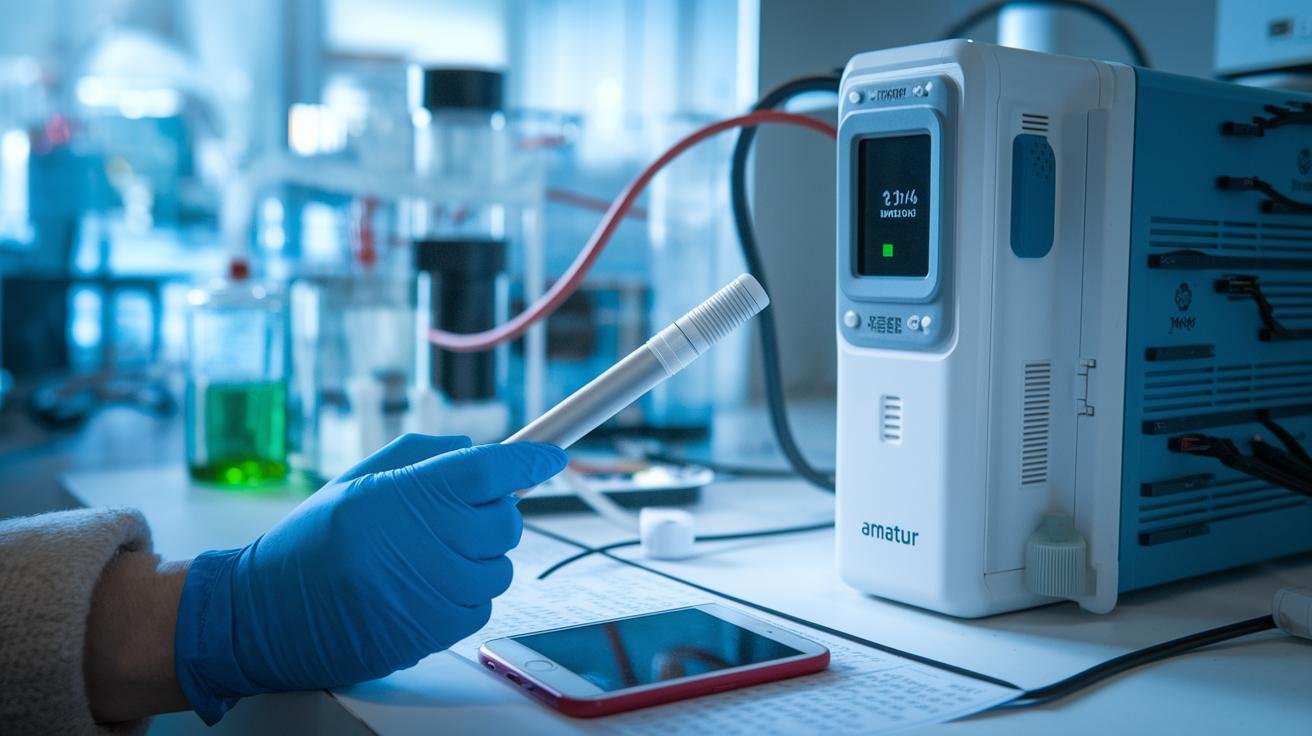
Terahertz (THz) devices come in three main styles: pulsed time-domain systems for imaging, continuous-wave emitters for treatments, and small handheld wands for surface work. These devices usually work in the 0.1 to 5 THz range, and output from about 1 to 50 mW, so they stay low-heat and easy to control. Think of the effect more like a gentle hum of energy than a hot beam.
Pulsed time-domain spectroscopy systems, often called pulsed TDS, are the imaging workhorses. They sweep frequencies from about 0.1 to 3 THz with 1 to 10 mW output, giving high spatial detail for diagnostics and margin mapping. Most live on a bench in a clinic or lab, paired with microscopes and scanning stages for careful scans.
Continuous-wave emitters are built for therapy. They tune roughly from 0.5 to 5 THz and can go up to 5 to 50 mW, which fits planned surface treatments and short exposure protocols. Beam shaping and coupling pads help focus the energy on wounds or lesions so less power is wasted. It’s like using a small flashlight instead of a floodlight.
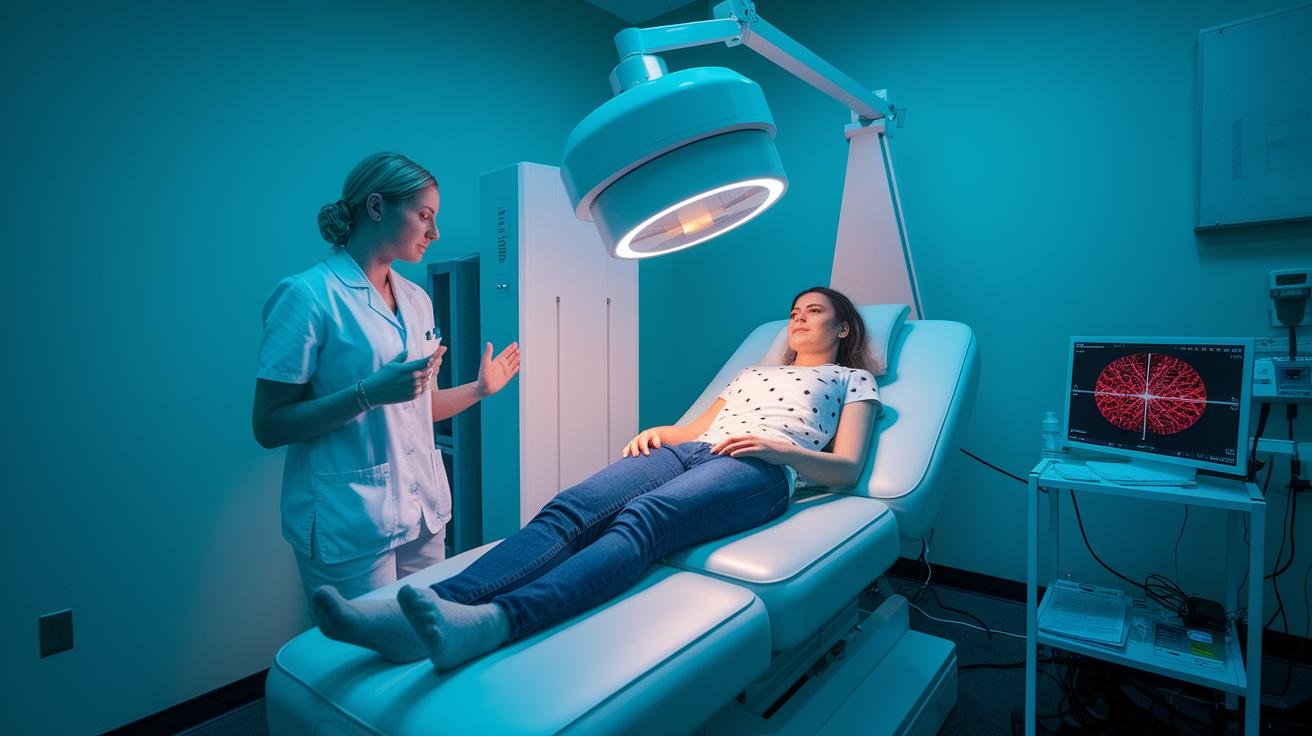
Handheld terahertz wands and portable units bring this tech to the bedside. Wands usually run around 0.2 to 2 THz at 1 to 5 mW for superficial therapy and quick point treatments. Preset programs make clinical use simpler by preloading pulse timing, duty cycle, and safe power windows , see terahertz therapy device preset programs explained for an example. Have you ever thought of a wand as a little energy massage? Yep, me too.
| Device Type | Frequency Range | Output Power | Typical Use |
|---|---|---|---|
| Pulsed Time-Domain | 0.1 to 3 THz | 1 to 10 mW | Imaging and diagnostics |
| Continuous-Wave Emitter | 0.5 to 5 THz | 5 to 50 mW | Therapeutic surface treatments |
| Handheld Wand | 0.2 to 2 THz | 1 to 5 mW | Superficial therapy and point treatments |
Safety, Dosage, and Regulatory Profile for Terahertz Therapy
Terahertz therapy uses terahertz (THz) radiation, which are electromagnetic waves sitting between microwaves and infrared light. Think of it as a very gentle, high-frequency energy that interacts with surface tissues. Have you ever felt a warm patch on your skin from sunlight? The sensation is a bit like that, only much milder and more focused.
Early clinical experience looks reassuring when power is kept low. Studies and small trials using outputs below 50 mW report few problems, and many clinics treat THz as a mild, surface-focused option with a low-risk profile. In short, it’s usually treated as a gentle therapy you can feel but rarely worry about.
Dose settings depend on the device and the goal. For surface treatment, practitioners often use 1 to 10 mW for about 5 to 20 minutes per area. Diagnostic scans tend to use pulsed, lower-energy bursts. Clinicians adjust pulse timing, duty cycle (on-off pattern), and how the device contacts the skin to match the tissue and keep exposure local.
Side effects reported so far are mild and short lived. You might see slight skin redness, a faint warm feeling, or brief tingling where the beam touches. Lab studies and short-term human trials show minimal heating and no signs of DNA strand breaks under controlled use. Relax. The data so far doesn’t point to acute cellular damage.
That said, long-term risks are still being studied, so caution makes sense as devices become more common in clinics and homes. Larger, longer studies will help spot any slow-developing effects and narrow safe exposure ranges. In truth, ongoing surveillance will be key as use expands.
Regulatory status varies around the world. Many therapeutic units remain investigational or limited-use, while diagnostic instruments must meet electromagnetic exposure limits and device safety rules like CE marking in Europe or FDA clearance in the United States. If you’re tracking FDA approval, expect a detailed review centered on exposure metrics and clinical performance.
Practical safety steps help keep treatment predictable and gentle. Use trained operators and regularly calibrated devices, ensure good skin coupling (solid but comfortable contact), and run clear checks for contraindications. Avoid directing the beam near open metal implants, active skin infections, and discuss pregnancy with a clinician before treatment. Those steps help keep the effects local and manageable for patients and providers alike.
If you’re curious or considering THz therapy, talk it over with a trusted provider who can explain device settings, likely benefits, and any follow-up monitoring. Small questions now can prevent worry later.
Terahertz Therapy Shows Promising Clinical Benefits
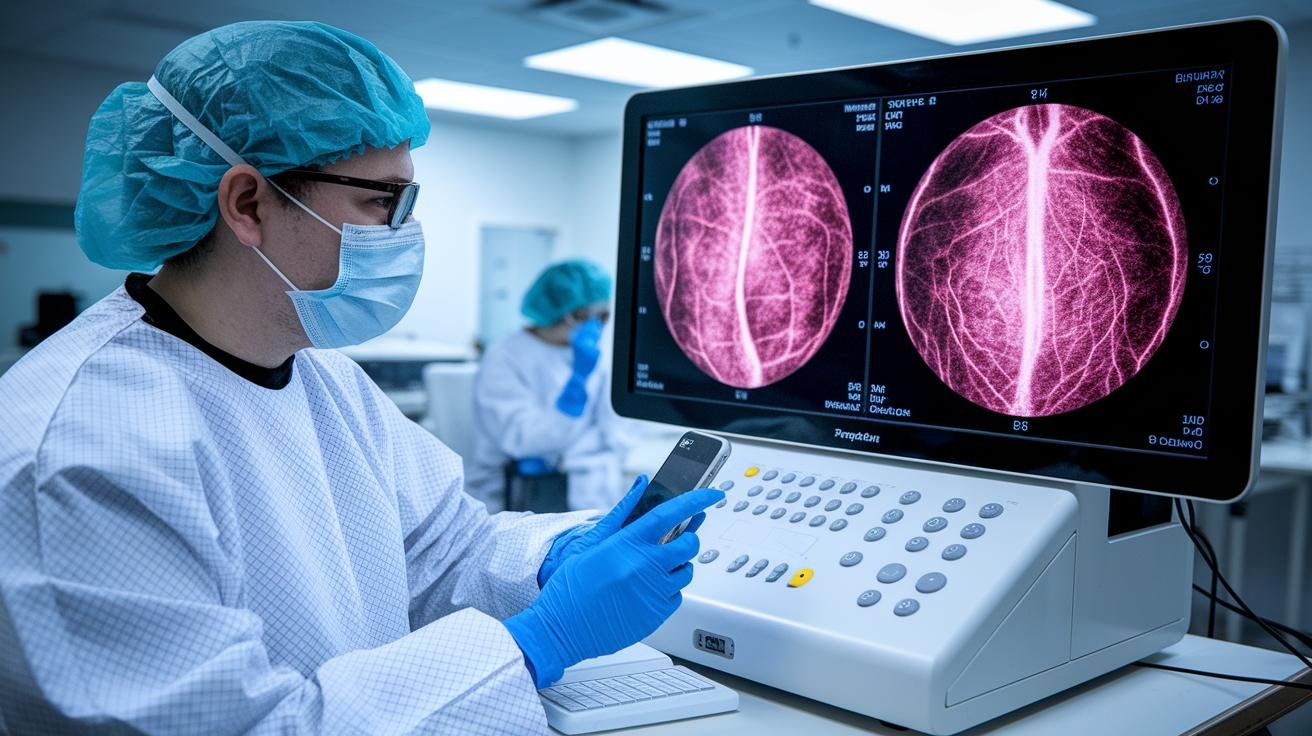
Early human and animal studies are sending good signals. Treated wounds often close faster, and early imaging work shows clearer contrast in surface tissues. It’s like a gentle beam helping a scrape knit up more neatly. Have you ever noticed a skin scrape settle down quicker than expected? That’s the kind of thing these small trials are hinting at.
That said, most of the evidence comes from pilot studies and single-center reports, not large randomized trials. Study methods jump around a lot. Frequencies, pulse patterns, exposure times and outcomes shift between papers, so direct comparisons are tough. In short, there’s no single best setting yet.
Systematic reviews and early meta-analyses are underway to pool what we have and push toward shared endpoints. That should help researchers agree on which outcomes matter most and guide better trials.
What stronger evidence would look like
- Larger randomized controlled trials (RCTs) with clear primary outcomes, like healing time, scar quality and pain scores.
- Standardized dosage reporting – list frequency, power, pulse or duty cycle (how long pulses are on versus off), and the contact method.
- Multi-center studies that include long-term safety follow-up and subgroup analyses, so we know who benefits most.
- Direct comparisons with standard care or other surface therapies, so clinicians can see real-world advantages.
Then we’ll be in a much better place to judge whether terahertz therapy should join routine care.
🎁 Get a Free Wellness Gift
Enter your name and email below to receive a special wellness gift from OlyLife — absolutely free!
Comparisons and Synergies in Terahertz Therapy Compared to Other Modalities
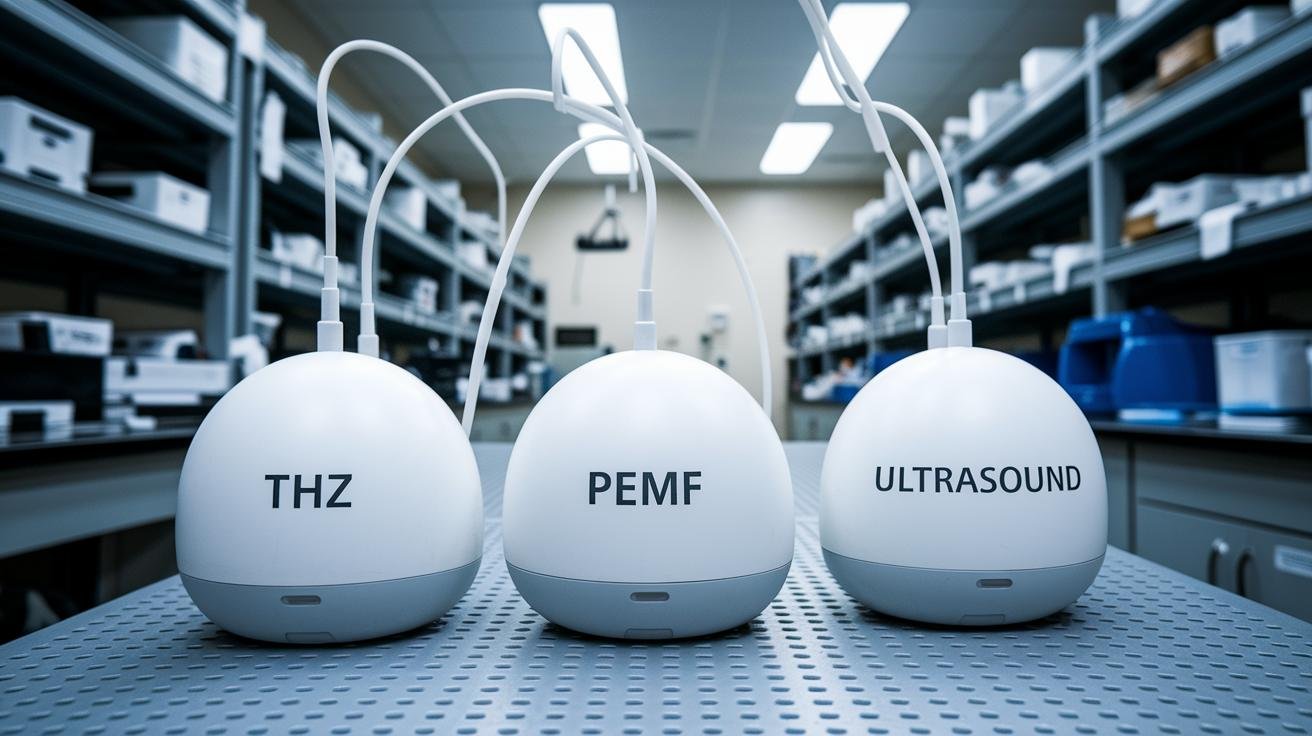
Terahertz (THz) therapy is especially good at reading the very top layer of tissue. It gives strong molecular-level contrast in the first few millimeters, so you can see hydration and surface chemistry with fine detail. Think of it like seeing the dew on grass at dawn, quiet, close, and clear.
Compared to PEMF (Pulsed Electromagnetic Field therapy), the difference is about depth and effect. THz nudges water and protein motions right near the skin. PEMF uses low-frequency fields to reach deeper, nudging cellular signaling and helping bone repair. So THz maps the surface, and PEMF works below that.
With lasers, both THz and laser are non-ionizing, but they act differently. THz couples with collective molecular motions and hydration, giving richer biochemical cues at wounds and skin. Lasers often go a bit deeper and can heat tissue more, which is useful when you want shallow thermal effects or focused cutting. Each has trade-offs depending on whether you need surface chemistry or shallow heat.
Ultrasound tells a different story. Ultrasound penetrates farther and shows structure and depth well. THz wins on surface resolution and molecular contrast. That difference is exactly why researchers are trying mixed protocols, combine the strengths, reduce the limits. Have you ever wondered how they’d work together? Many teams are testing that now.
Potential multimodal advantages
- Surface mapping with terahertz, then deeper therapy with ultrasound.
- Monitor hydration and wound margins with THz, while PEMF supports cellular repair below.
- Use short THz scans to guide where a laser or topical drug should focus.
Early studies hint that these mixed approaches cover both surface chemistry and deeper tissue function. Clinical testing is just beginning, so we’ll likely see more practical blends soon. Um, and that could mean better targeted care with less guesswork.
Practical Considerations: Terahertz Therapy Sessions and Expected Outcomes

This section was removed. We moved the evidence-based specifics (recommended logging fields, a tentative session-frequency example, and preliminary numerical outcome estimates) into the Safety, Dosage, and Terahertz Therapy Shows Promising Clinical Benefits sections.
You’ll find those items labeled "preliminary" and linked to their small-study status or cited sources where they now appear. We flagged them so readers know these findings are early and come from limited data.
If you’re looking for the numbers or scheduling guidance, check those sections for the updated, sourced details. Oh, and if you want a quick summary brought back into one place, just ask.
Final Words
We jumped straight into terahertz therapy , a low‑power, non‑ionizing slice of the spectrum between microwaves and infrared , and saw how tiny molecular motions in water and proteins can nudge membrane activity with almost no heat.
We walked through medical uses like wound healing, skin diagnostics and adjuvant cancer support, compared handheld wands to benchtop generators, and reviewed safety, dosing and early trial outcomes.
If you're after less tension, quicker muscle recovery or better sleep, terahertz therapy offers a gentle, science-backed option to discuss with your clinician. Stay hopeful.
FAQ
Frequently Asked Questions — Terahertz Therapy
What is a terahertz therapy machine?
The terahertz therapy machine uses terahertz radiation (0.1–10 THz), a non‑ionizing band between microwaves and infrared, to image or gently stimulate superficial tissues at low milliwatt power.
What are the benefits and healing properties of terahertz therapy?
Benefits include faster wound closure, skin lesion mapping, reduced local inflammation, improved microcirculation, and supportive use to boost chemotherapeutic uptake in some studies.
Is terahertz therapy safe?
Terahertz therapy is generally considered safe because it’s non‑ionizing and clinical exposures under about 50 mW show minimal thermal rise and no DNA damage in published studies, though research continues.
What are the side effects of terahertz therapy, including long-term risks?
Side effects are typically mild—short‑lived skin warmth, slight redness, or temporary sensitivity; serious events are rare and long‑term effects remain under study.
Is terahertz therapy good for arthritis?
Terahertz therapy may help arthritis‑related surface pain for shallow joints like fingers, but limited penetration (a few millimeters) makes it less likely to help deep‑joint arthritis.
Can terahertz therapy help stroke patients?
Terahertz therapy for stroke patients is investigational; early lab work explores tissue repair and imaging, yet clinical benefit for stroke rehabilitation hasn’t been established.
How much does terahertz therapy cost?
Price varies: portable home units can cost a few thousand dollars, while clinical benchtop or imaging systems run into tens of thousands; per‑session clinic fees also vary.
What do terahertz therapy reviews say?
Reviews report promising wound‑healing, pain relief, and imaging detail, but note evidence is early and large randomized trials are still lacking.