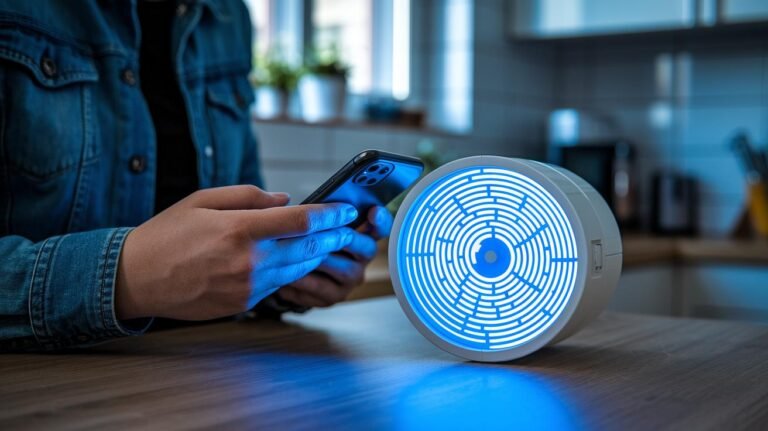
If you’re considering terahertz therapy for the first time, understanding the potential terahertz therapy side effects is one of the smartest steps you can take. Whether you’ve been exploring frequency-based wellness or are curious about the terahertz wands and devices appearing on the market, knowing what to expect — and what to watch for — helps you make confident, informed decisions about your health journey.
Terahertz therapy is still an emerging field, and the research is evolving. That’s exactly why an honest, balanced overview matters more than marketing promises. In this guide, we’ll walk through what terahertz therapy is, how it interacts with your body, the most commonly reported side effects, what current science tells us about safety, and practical tips for using terahertz devices at home with care.
What Is Terahertz Therapy?

Terahertz therapy uses electromagnetic waves in the terahertz (THz) frequency range — typically between 0.1 and 10 THz. On the electromagnetic spectrum, terahertz radiation sits in a unique position between microwaves and infrared light, a region sometimes called the “terahertz gap” because it was historically difficult to generate and detect.
Unlike X-rays or gamma rays, terahertz radiation is non-ionizing. This means it doesn’t carry enough energy to break chemical bonds or directly damage DNA the way ionizing radiation can. This is an important distinction when discussing terahertz therapy side effects, because it places THz waves in the same general safety category as radio waves and visible light in terms of ionization risk.
Consumer terahertz devices — particularly handheld wands and blower-style devices — have gained popularity in the wellness space. These devices typically operate at much lower power levels than the laboratory and clinical terahertz systems used in scientific research. Proponents suggest that low-power terahertz waves may support circulation, promote cellular wellness, and complement other holistic health practices.
If you’re familiar with PEMF therapy or healing frequency approaches, terahertz therapy falls into a similar category of frequency-based wellness — using specific electromagnetic frequencies to interact with the body’s natural processes.
How Terahertz Therapy Works on the Body

Understanding how terahertz waves interact with the body helps explain both the potential benefits and the terahertz therapy side effects some people experience. The mechanisms fall into two broad categories: thermal and non-thermal effects.
Thermal Effects
Water molecules absorb terahertz radiation particularly well. Since the human body is roughly 60% water, THz waves are primarily absorbed by the skin and superficial tissues rather than penetrating deep into the body. At higher power levels, this absorption can produce localized warming — similar to what you might feel from an infrared lamp. Consumer-grade devices typically operate at power levels where thermal effects are minimal, producing only gentle warmth during use.
Non-Thermal Effects
This is where the science gets more interesting — and more nuanced. Research suggests that terahertz waves may influence biological processes through mechanisms that go beyond simple heating:
- Molecular resonance: Many biological molecules (proteins, DNA, RNA) have natural vibrational frequencies in the terahertz range. THz waves may interact with these molecular vibrations, potentially influencing protein folding and cellular signaling
- Cellular membrane effects: Some studies suggest THz radiation may affect ion channel activity and membrane permeability, which could influence how cells communicate and regulate themselves
- Hydrogen bond dynamics: Terahertz waves can affect the hydrogen bonds in water networks surrounding biological molecules, potentially altering their function
It’s worth noting that the non-thermal effects observed in laboratory settings often use controlled, high-precision terahertz sources quite different from consumer wellness devices. Understanding this distinction is essential when evaluating both benefits and risks. For a deeper look at how electromagnetic frequency therapies interact with the body, our guide on how PEMF therapy works provides a helpful comparison.
Common Terahertz Therapy Side Effects

Being transparent about potential side effects builds trust — and helps you recognize what’s normal versus what might signal a need to pause. Here are the most commonly reported terahertz therapy side effects from users of consumer-grade devices:
1. Localized Warmth and Skin Flushing
The most frequently reported effect is gentle warmth in the treatment area, sometimes accompanied by mild reddening of the skin. This is typically caused by increased blood flow to the area — a natural response to the thermal component of THz waves. The warmth usually fades within 30 minutes to an hour after the session ends.
2. Mild Fatigue or Drowsiness
Some people feel unusually tired or relaxed after their first few sessions. This is commonly reported across many frequency-based wellness modalities, including PEMF mat therapy. The fatigue typically resolves within a few hours and tends to decrease as the body adjusts over subsequent sessions.
3. Temporary Tingling or Prickling Sensation
A mild tingling or prickling sensation in the treated area is occasionally reported, especially during the first few uses. This may be related to changes in local blood flow or nerve sensitivity. It’s generally considered harmless and typically subsides quickly.
4. Increased Thirst and Urination
Users sometimes notice increased thirst during or after sessions. Some practitioners attribute this to the body’s natural response to increased metabolic activity. Staying well hydrated before, during, and after terahertz sessions is considered a best practice.
5. Mild Headache
Occasional mild headaches have been reported, particularly during initial sessions or when sessions are too long. This is one of the terahertz therapy side effects that usually responds well to reducing session duration and ensuring adequate hydration.
6. Temporary Discomfort or “Healing Response”
Some users report a brief period of mild discomfort or flu-like sensations after their first few sessions. In the wellness community, this is sometimes called a “healing crisis” or adjustment period. While this concept isn’t universally accepted in mainstream medicine, it’s a commonly reported experience that typically resolves within 24–48 hours.
7. Skin Sensitivity
In rare cases, people with particularly sensitive skin may notice mild irritation, dryness, or increased sensitivity in the treated area. This is more likely with prolonged sessions or when the device is held too close to the skin. If you experience persistent skin irritation, reduce your session length and increase the distance between the device and your skin.
Important note: If you experience any side effect that is severe, persistent, or concerning, stop using the device and consult your healthcare provider. The side effects listed above are generally mild and temporary, but your individual response matters most.
What Does the Research Say About Terahertz Safety?

Being evidence-informed means acknowledging both what we know and what we don’t. Here’s a balanced look at the current state of terahertz safety research:
What Research Suggests
- Non-ionizing safety baseline: Terahertz radiation is non-ionizing, meaning it doesn’t carry enough energy to directly damage DNA through ionization. This puts it in a fundamentally different risk category than X-rays or UV radiation
- Shallow penetration: Due to high water absorption, THz waves primarily affect the skin surface and do not penetrate deep into tissues. A 2021 review in PMC by Nikitkina et al. confirmed that the penetration depth of THz radiation in skin is typically less than 0.5mm
- Low-power consumer safety: The vast majority of reported adverse effects in scientific literature come from high-power laboratory exposure — far exceeding what consumer devices produce. A 2023 review by Wang et al. in PMC noted that biological effects are strongly dose-dependent and that lower-power, shorter-duration exposures showed minimal cellular impact
Areas of Ongoing Research
- Cellular effects at high power: Some laboratory studies have shown that high-intensity THz radiation can affect cell proliferation and cause DNA strand breaks in controlled settings. However, these studies typically use power levels and exposure durations that far exceed consumer device parameters
- Gene expression changes: Research from Frontiers in Bioengineering (2023) suggests that terahertz radiation may influence gene expression related to neuronal growth. The long-term significance of these findings for consumer device users is not yet established
- Eye sensitivity: The cornea and lens have high water content, making them potentially more susceptible to THz absorption. While no consumer device is designed for direct eye exposure, this highlights the importance of avoiding pointing THz devices directly at the eyes
The Lab vs. Consumer Device Gap
Perhaps the most important context when evaluating terahertz therapy side effects is the enormous difference between laboratory THz systems and consumer wellness devices. Research-grade terahertz sources can produce peak power levels thousands of times higher than consumer wands and blowers. Drawing safety conclusions directly from high-power laboratory studies and applying them to low-power consumer devices would be like comparing industrial laser effects to a household LED lamp.
That said, the lack of long-term clinical studies specifically on consumer terahertz devices means we should approach this technology with informed caution. Similar considerations apply to other frequency-based therapies — if you’ve read our guide on PEMF therapy side effects, you’ll notice that a cautious, evidence-informed approach is consistently the wisest path.
Who Should Be Cautious with Terahertz Therapy

While terahertz therapy is generally considered low-risk for most adults when used as directed, certain groups should exercise extra caution or avoid it entirely. Always consult your healthcare provider before starting any new wellness modality, especially if you fall into any of the following categories:
People Who Should Avoid Terahertz Therapy
- Pregnant women: There is insufficient research on the effects of terahertz radiation during pregnancy. Until more data is available, it’s best to avoid THz devices during pregnancy and breastfeeding
- People with pacemakers or implanted electronic devices: While terahertz waves are unlikely to interfere with most implants at consumer power levels, the precautionary principle applies. Consult your cardiologist or device manufacturer before use
- Children under 12: Growing bodies and developing nervous systems warrant extra caution with any frequency-based therapy. Avoid use on young children unless specifically guided by a healthcare professional
People Who Should Use with Extra Caution
- Active infections or open wounds: Avoid directing THz devices at areas with active infections, open wounds, or acute inflammation
- Cancer treatment: If you are currently undergoing cancer treatment, consult your oncologist before using any frequency-based wellness device
- Metal implants: While non-ionizing THz radiation is unlikely to heat metal implants at consumer power levels, it’s prudent to avoid prolonged direct exposure over surgical hardware
- Photosensitizing medications: Some medications increase skin sensitivity to various forms of radiation. If you take medications that cause photosensitivity, start with very short sessions and monitor your skin’s response
- Epilepsy or seizure disorders: Some frequency-based therapies have theoretical potential to affect neurological activity. Consult your neurologist before use
- Blood clotting disorders: If THz therapy promotes circulation as suggested, those on anticoagulant medications or with bleeding disorders should consult their doctor first
This list mirrors many of the same precautions recommended for PEMF therapy and other electromagnetic wellness devices. When in doubt, a quick conversation with your healthcare provider provides peace of mind and personalized guidance.
🎁 Get a Free Wellness Gift
Enter your name and email below to receive a special wellness gift from OlyLife — absolutely free!
How to Use Terahertz Devices Safely at Home

If you’ve decided to explore terahertz therapy at home, following a few common-sense guidelines can help you minimize potential side effects and get the most out of your experience. For a more comprehensive device safety overview, our terahertz home device guidelines covers everything you need to know.
Start Low and Slow
Begin with shorter sessions — 5 to 10 minutes — and gradually increase as your body adjusts. Many of the terahertz therapy side effects reported by new users (fatigue, mild headaches, temporary discomfort) are associated with doing too much too soon. Give your body time to adapt.
Follow the Recommended Distance
Each device has manufacturer-recommended distances for optimal and safe use. Holding a device too close to the skin or lingering on one spot for too long increases the risk of skin warmth and irritation. Move the device in gentle, sweeping motions rather than holding it stationary.
Stay Hydrated
Drink plenty of water before and after your session. Hydration supports your body’s natural processes and may help reduce common side effects like headache and fatigue. Aim for at least one full glass of water 30 minutes before and immediately after each session.
Protect Sensitive Areas
Avoid directing terahertz devices at your eyes, thyroid, or over any sensitive medical devices. The eyes are particularly important to protect due to the cornea’s high water content and THz absorption potential.
Listen to Your Body
If you feel dizzy, nauseous, or experience unusual discomfort during a session, stop immediately. Your body’s signals are the most reliable safety feedback you have. You can always try again the next day with a shorter session.
Create a Supportive Routine
Many users find that combining terahertz therapy with other gentle wellness practices enhances their experience. Consider pairing your sessions with breathwork for stress relief, a short wellness walk, or grounding practices to support your body’s natural recovery processes.
If you’re looking for a device that combines terahertz and PEMF technology for a comprehensive at-home wellness experience, the OlyLife Tera-P90+ integrates both modalities into a single, user-friendly system with adjustable settings designed for safe daily use.
Suggested Daily Protocol for Beginners
| Week | Session Length | Frequency | Notes |
|---|---|---|---|
| Week 1 | 5–10 minutes | Once daily | Focus on one area at a time. Monitor for side effects. |
| Week 2 | 10–15 minutes | Once daily | Gradually expand to additional areas if comfortable. |
| Week 3 | 15–20 minutes | 1–2 times daily | Morning and evening sessions if well-tolerated. |
| Week 4+ | 20–30 minutes | 1–3 times daily | Full protocol. Take rest days as needed. |
For guidance on which terahertz frequencies target specific wellness goals, check out our guide on optimal terahertz frequencies for therapy. And if you’re also interested in PEMF frequencies, our PEMF frequency chart provides a handy reference.
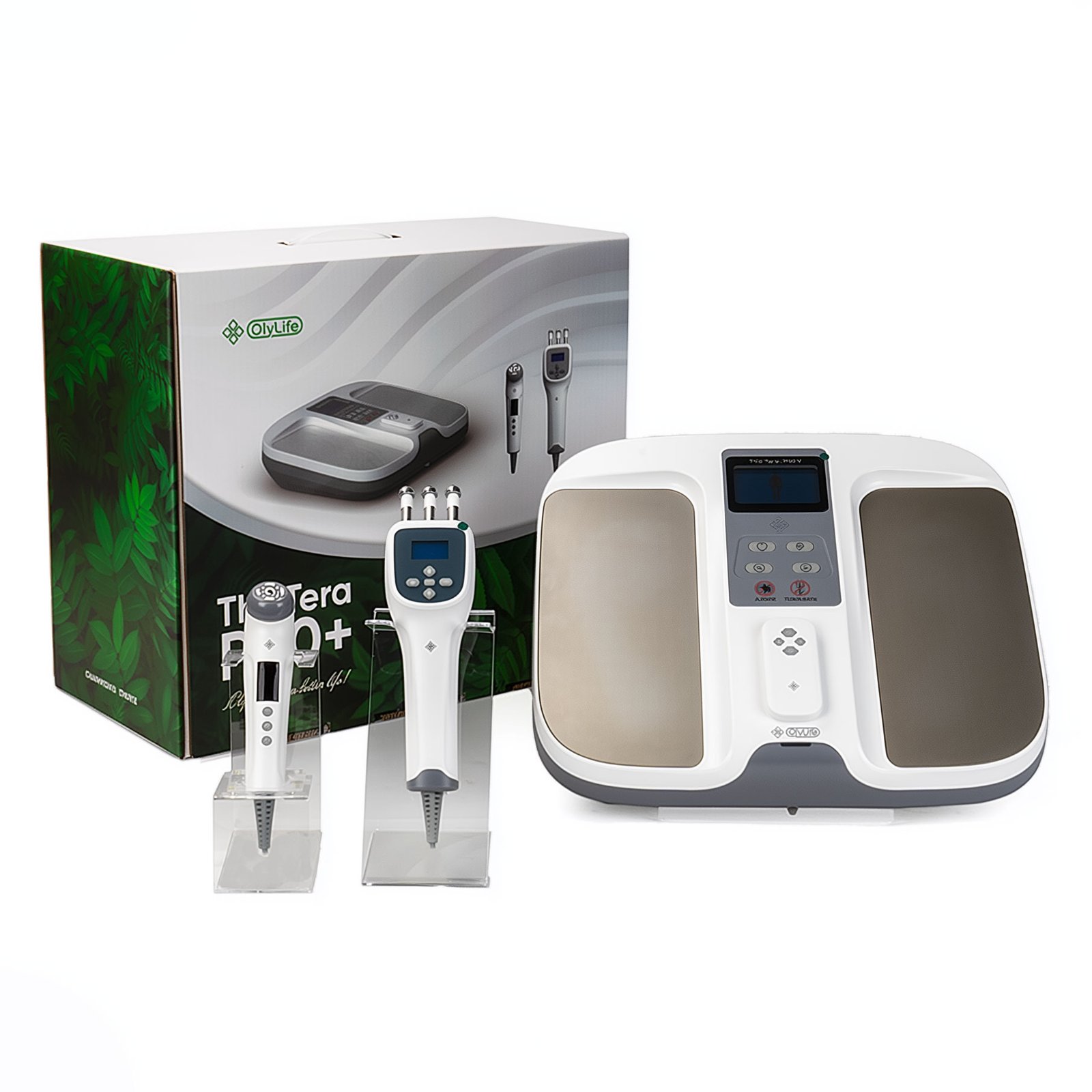
Experience Terahertz and PEMF Therapy at Home
The OlyLife Tera-P90+ combines terahertz and PEMF technology in one smart device — with adjustable settings designed for safe, comfortable daily wellness sessions.
Frequently Asked Questions About Terahertz Therapy Side Effects

Is terahertz radiation dangerous?
Terahertz radiation is non-ionizing, meaning it doesn’t carry enough energy to break chemical bonds or directly damage DNA. Consumer terahertz devices operate at low power levels that are generally considered safe for most adults when used as directed. However, high-power laboratory THz sources can produce biological effects, which is why it’s important not to conflate lab research with consumer device safety profiles.
How long do terahertz therapy side effects typically last?
Most reported side effects — including warmth, mild fatigue, and tingling — are temporary and typically resolve within a few minutes to a few hours. Initial adjustment effects during the first week of use may last up to 24–48 hours. If any side effect persists beyond 48 hours, discontinue use and consult your healthcare provider.
Can I use a terahertz device every day?
Most consumer terahertz devices are designed for daily use at recommended session lengths. Start with shorter sessions and build up gradually. Many experienced users incorporate terahertz therapy into their daily wellness routine alongside practices like portable PEMF therapy and mindful movement.
Are terahertz wand side effects different from other THz devices?
Handheld wands and blower-style devices may produce slightly different experiences due to their delivery method. Wands that produce a warm air stream (blower-style) tend to produce more noticeable thermal effects, while direct-contact devices produce more focused stimulation. The fundamental safety considerations are similar across device types.
Can terahertz therapy interfere with medications?
There is no established evidence that consumer-level terahertz therapy directly interferes with medications. However, if you take photosensitizing medications or blood thinners, consult your doctor before starting. The primary concern is not drug interaction but rather enhanced sensitivity or circulation changes that could affect medication distribution.
Is terahertz therapy safe during pregnancy?
Due to insufficient research on terahertz effects during pregnancy, it’s recommended to avoid THz therapy during pregnancy and while breastfeeding. This is a precautionary recommendation, consistent with guidelines for most frequency-based and electromagnetic wellness therapies.
What’s the difference between terahertz therapy and PEMF therapy?
Terahertz therapy uses electromagnetic waves in the 0.1–10 THz range, while PEMF therapy uses pulsed electromagnetic fields at much lower frequencies (typically 1–100 Hz). Both are non-ionizing and both aim to support the body’s natural processes, but they operate through different mechanisms. Some advanced devices, like the Tera-P90+, combine both modalities. For a detailed comparison of how PEMF works at the cellular level, see our guide on how PEMF therapy works.
Should I stop using my terahertz device if I experience side effects?
Mild, temporary side effects like warmth, slight fatigue, or tingling are generally normal during the initial adjustment period. However, if you experience severe pain, persistent skin irritation, dizziness that doesn’t resolve, or any symptom that concerns you, stop using the device and consult your healthcare provider. Your safety and comfort always come first.
Final Thoughts
Terahertz therapy is an exciting area of wellness technology, but like any emerging modality, it deserves an honest, balanced perspective. The most commonly reported terahertz therapy side effects — gentle warmth, mild fatigue, temporary tingling — are generally mild and temporary, particularly with consumer-grade devices used as directed.
The science is still evolving, and that’s okay. Being an informed user means acknowledging both the promise and the limitations of current research. What matters most is listening to your body, starting slowly, staying hydrated, and working with your healthcare provider if you have any pre-existing conditions.
At OlyLife, we believe transparency builds trust. We’d rather you feel confident and informed than pressured by exaggerated claims. Whether you’re exploring terahertz therapy, PEMF therapy, or other frequency-based wellness approaches, the best path forward is always the one grounded in knowledge and guided by your own experience.
Your wellness journey is yours. Take it one session at a time. 🌿