
If you’ve ever found yourself staring at the ceiling at 2 a.m., you’re not alone — and you’re certainly not without options. Natural sleep remedies offer a gentle, evidence-informed path to better rest without the grogginess or dependency risks that come with pharmaceutical sleep aids. From time-honored herbs like chamomile and valerian to emerging research on the gut-sleep connection, nature provides a remarkably rich toolkit for reclaiming your nights.
In this comprehensive guide, we’ll explore the most effective natural sleep remedies backed by science — including herbal allies, sleep-promoting foods, calming evening rituals, and innovative wellness approaches like PEMF therapy. Whether you’re dealing with occasional restlessness or looking to deepen the quality of your nightly rest, these strategies can help you build a sustainable sleep practice that nourishes your whole being.
Why Your Body Craves Natural Sleep Solutions

Sleep isn’t simply the absence of wakefulness — it’s an active, restorative process that your body depends on for survival. During deep sleep, your brain clears metabolic waste through the glymphatic system, your muscles repair themselves, and your immune system releases protective cytokines. When this process gets disrupted, the effects ripple through every aspect of your health.
Research published in Nature Reviews Neuroscience (2019) confirmed that chronic sleep deprivation increases inflammatory markers, disrupts blood sugar regulation, and impairs cognitive function. A landmark study from the University of California, Berkeley found that even one night of poor sleep can increase anxiety levels by up to 30%, creating a vicious cycle where stress feeds insomnia and insomnia feeds stress.
The Problem with Conventional Sleep Aids
While prescription and over-the-counter sleep medications can provide short-term relief, they often come with significant trade-offs. Antihistamine-based sleep aids like diphenhydramine may cause next-day drowsiness and cognitive fog. Prescription options like benzodiazepines carry dependency risks and can actually suppress the deep sleep stages your body needs most.
This is precisely why so many health-conscious adults are turning to natural sleep remedies. Rather than overriding your body’s natural rhythms, these approaches work with your biology — supporting the pathways that promote restful sleep while addressing the root causes of sleeplessness.
Understanding your nervous system regulation is key here. When your sympathetic nervous system stays activated — that “fight or flight” mode — sleep becomes nearly impossible. Natural remedies help shift your body into parasympathetic dominance, the calm “rest and digest” state where sleep comes naturally.
Herbal Natural Sleep Remedies That Research Supports

Humans have turned to plants for sleep support for thousands of years, and modern science is now validating many of these traditional practices. Here are the herbal natural sleep remedies with the strongest evidence behind them.
Chamomile: The Gentle Sleep Companion
Chamomile contains apigenin, a flavonoid that binds to GABA receptors in the brain — the same receptors targeted by anti-anxiety medications, but with a far gentler touch. A 2019 randomized controlled trial in Phytotherapy Research found that chamomile extract significantly improved sleep quality in elderly participants over 28 days.
For best results, brew a strong cup of chamomile tea 30-60 minutes before bed. Use two tea bags or one tablespoon of loose dried flowers per cup, and steep for at least 5 minutes to fully extract the apigenin.
Valerian Root: Nature’s Sedative
Valerian root has been used as a sleep aid since ancient Greece and Rome. It works by increasing GABA availability in the brain, promoting relaxation without the “knockout” effect of pharmaceutical sedatives. A comprehensive meta-analysis published in the American Journal of Medicine found that valerian may improve sleep quality, though researchers note that consistent use over 2-4 weeks yields the best results.
Passionflower: The Anxiety Soother
If racing thoughts keep you awake, passionflower (Passiflora incarnata) deserves your attention. A study in Phytotherapy Research (2011) found that passionflower tea improved subjective sleep quality comparably to pharmaceutical sleep aids, but without the morning drowsiness. It works synergistically with chamomile — combining the two creates a particularly effective bedtime blend.
Adaptogens for Sleep: Ashwagandha and Reishi
Here’s where natural sleep remedies get especially interesting — and where most mainstream guides fall short. Adaptogens don’t sedate you; they help your body manage stress more effectively, which indirectly improves sleep quality.
Ashwagandha (Withania somnifera — the Latin name literally means “sleep-inducing”) has shown remarkable promise. A 2019 study in Cureus found that participants taking 600mg of ashwagandha root extract daily experienced significant improvements in both sleep quality and sleep onset latency. The herb works by modulating cortisol — the stress hormone that, when elevated at night, keeps your mind buzzing.
Reishi mushroom (Ganoderma lucidum) is traditionally known as the “mushroom of immortality” in Chinese medicine, and its sleep-supporting properties are backed by modern research. A 2012 study in the Journal of Ethnopharmacology found that reishi extract increased total sleep time and enhanced non-REM sleep in animal models, likely through its GABAergic activity.
Lavender: Aromatherapy for the Bedroom
The evidence for lavender as a sleep aid is robust. A systematic review in the Journal of Alternative and Complementary Medicine (2020) analyzed 34 studies and concluded that lavender aromatherapy significantly improved sleep quality across diverse populations. The mechanism involves linalool, a compound in lavender essential oil that modulates GABA neurotransmission.
Try adding 3-4 drops of pure lavender essential oil to a diffuser in your bedroom 30 minutes before sleep, or place a sachet of dried lavender inside your pillowcase.
Sleep-Promoting Foods and Nutrients Your Body Needs

What you eat — and when you eat it — can profoundly influence how well you sleep. The connection between nutrition and holistic health extends powerfully into sleep quality.
Magnesium: The Relaxation Mineral
Magnesium is arguably the most important mineral for sleep, yet an estimated 50% of adults don’t get enough. It activates the parasympathetic nervous system, regulates melatonin production, and binds to GABA receptors to promote calm. A 2012 study in the Journal of Research in Medical Sciences found that magnesium supplementation significantly improved sleep quality, sleep time, and sleep efficiency in elderly adults with insomnia.
The best food sources include pumpkin seeds (168mg per ounce), dark chocolate, almonds, spinach, and avocado. For supplementation, magnesium glycinate is the preferred form for sleep — it’s well-absorbed and the glycine itself has calming properties. A dose of 200-400mg taken 1-2 hours before bed is commonly recommended.
Tryptophan-Rich Foods
Tryptophan is the amino acid precursor to serotonin, which your body converts into melatonin — the hormone that signals it’s time to sleep. Foods naturally high in tryptophan include turkey, eggs, cheese, nuts (especially walnuts and cashews), seeds, and tofu. Pairing tryptophan-rich foods with complex carbohydrates (like whole grain toast) helps the amino acid cross the blood-brain barrier more effectively.
Tart Cherry Juice: Nature’s Melatonin Source
Tart cherries are one of the few natural food sources of melatonin. A study published in the European Journal of Nutrition (2012) found that participants who drank tart cherry juice twice daily experienced significant increases in sleep time and sleep efficiency. The juice also contains proanthocyanidins, which may inhibit the enzyme that breaks down tryptophan, further supporting melatonin production.
The Gut-Sleep Connection
Emerging research reveals a fascinating bidirectional relationship between your gut microbiome and sleep quality. A 2019 study in PLoS ONE found that greater microbiome diversity was associated with better sleep efficiency and longer sleep duration. Your gut produces approximately 95% of your body’s serotonin — the precursor to melatonin — making gut health a surprisingly important factor in sleep quality.
Supporting your microbiome through probiotic-rich fermented foods, prebiotic fiber, and an anti-inflammatory diet may indirectly improve your sleep. Think kimchi, kefir, sauerkraut, and a diverse array of plant foods.
Evening Rituals That Prepare Your Body for Deep Sleep
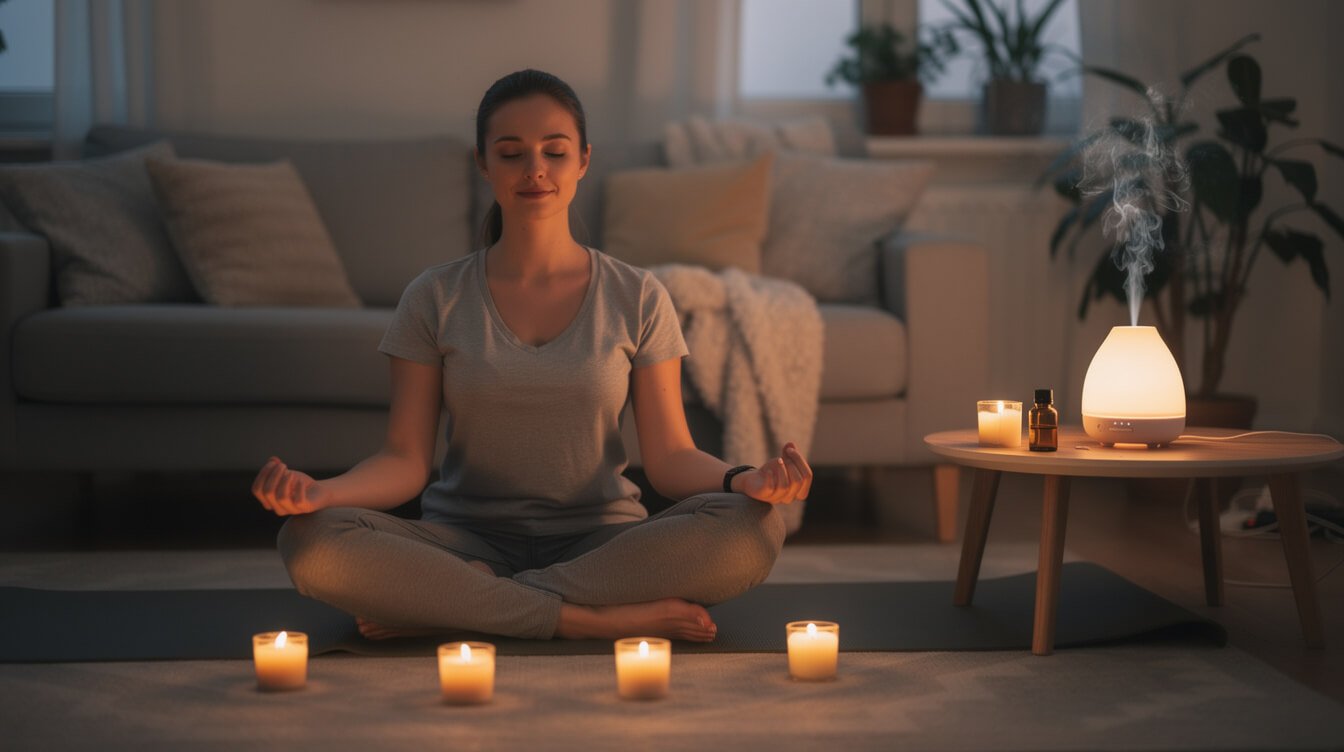
Perhaps the most overlooked category of natural sleep remedies involves creating intentional transitions between your waking life and sleep. Your body doesn’t have an off switch — it needs gradual signals that bedtime is approaching.
The 90-Minute Wind-Down Protocol
Begin dimming lights and reducing stimulation 90 minutes before your target bedtime. This aligns with your body’s natural melatonin production cycle, which is suppressed by bright light (especially blue light from screens). During this window:
- Switch to warm lighting — amber or red-toned bulbs, candles, or salt lamps
- Put away screens — or at minimum, activate blue light filters and reduce brightness
- Lower the temperature — your body needs to cool by 1-2°F to initiate sleep; a room temperature of 65-68°F (18-20°C) is ideal
- Engage in calming activities — gentle stretching, journaling, reading physical books, or listening to calming frequency music
Breathwork for Sleep
Conscious breathing is one of the most powerful — and free — natural sleep remedies available. The 4-7-8 technique, developed by Dr. Andrew Weil, acts as a natural tranquilizer for the nervous system:
- Inhale quietly through your nose for 4 seconds
- Hold your breath for 7 seconds
- Exhale completely through your mouth for 8 seconds
- Repeat for 3-4 cycles
This technique works by activating your vagus nerve and shifting your nervous system into parasympathetic mode. Combined with grounding exercises, breathwork can transform restless evenings into peaceful transitions to sleep.
Warm Baths and the Temperature Drop Effect
A meta-analysis published in Sleep Medicine Reviews (2019) found that a warm bath or shower taken 1-2 hours before bed significantly improved sleep quality. The mechanism is counterintuitive: warming your body causes blood vessels to dilate, which actually accelerates heat loss afterward. This rapid core temperature drop mimics the natural cooling that occurs as you fall asleep, effectively signaling your body that it’s time for rest.
Add Epsom salts (magnesium sulfate) to your bath for additional relaxation benefits — the magnesium is absorbed through the skin, complementing the thermal effects.
🎁 Get a Free Wellness Gift
Enter your name and email below to receive a special wellness gift from OlyLife — absolutely free!
Creating Your Optimal Sleep Sanctuary
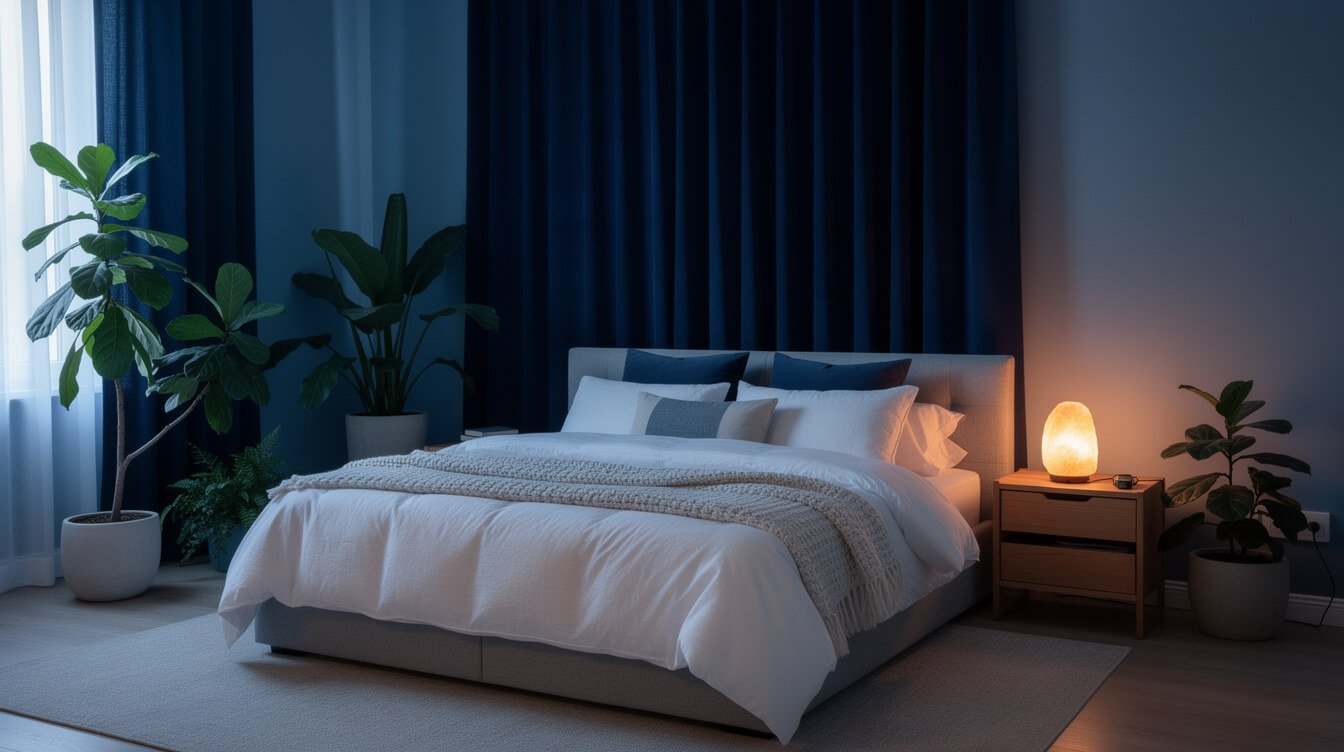
Your bedroom environment plays a critical role in sleep quality. Think of it as designing a sanctuary specifically for rest — every element should support your body’s natural sleep processes.
Light Management
Darkness triggers melatonin production, so your bedroom should be as dark as possible. Blackout curtains or a quality sleep mask can make a significant difference, especially if you live in an urban area with light pollution. Even small amounts of ambient light — from alarm clocks, charging indicators, or streetlights filtering through curtains — can suppress melatonin production.
Sound and Silence
While some people sleep best in silence, others benefit from consistent ambient sound that masks disruptive noises. White noise machines, nature sounds, or specific healing frequency tracks (like 432 Hz or delta wave binaural beats) can create a sound environment conducive to deep sleep.
Air Quality and Temperature
Indoor air quality affects sleep more than most people realize. The EPA estimates that indoor air can be 2-5 times more polluted than outdoor air. Consider an air purifier for your bedroom, and add sleep-friendly houseplants like snake plants (which release oxygen at night), lavender, or jasmine — studies have shown jasmine’s scent may reduce anxiety and improve sleep quality.
Temperature is equally critical. Research consistently shows that a cool bedroom (65-68°F / 18-20°C) promotes better sleep. Your core body temperature naturally drops as part of the sleep initiation process, and a cool room supports this biological rhythm. Choose breathable, natural fiber bedding — organic cotton, bamboo, or linen regulate temperature far better than synthetic materials.
How PEMF and Frequency Therapy May Support Natural Sleep
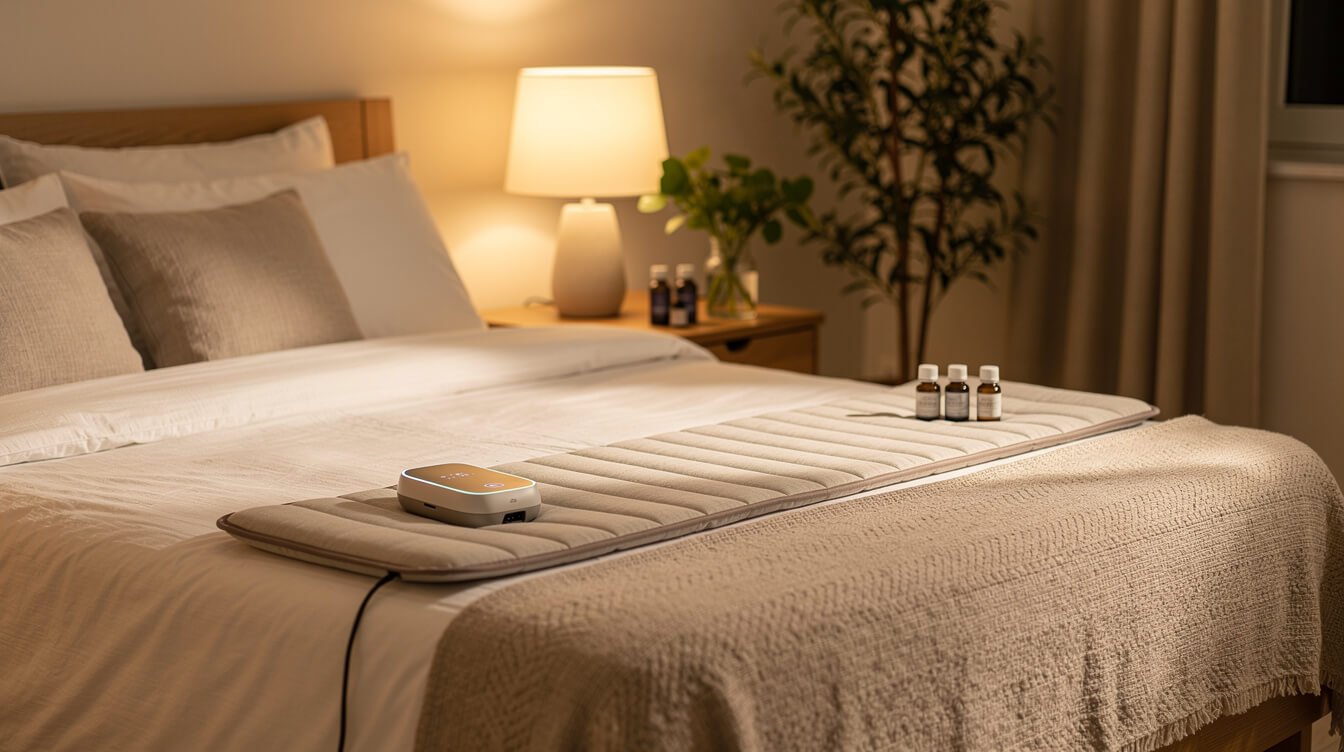
One of the most exciting frontiers in natural sleep remedies involves pulsed electromagnetic field (PEMF) therapy — a technology that uses gentle magnetic pulses to support your body’s natural healing and relaxation processes.
The Science Behind PEMF and Sleep
Research on PEMF therapy for sleep has shown promising results. A study published in Bioelectromagnetics found that specific PEMF frequencies can increase the production of melatonin and serotonin — the very neurochemicals your body needs for healthy sleep cycles. Another study in Neuroscience Letters demonstrated that low-frequency PEMF exposure helped entrain brainwave patterns associated with deep, restorative sleep.
The mechanism is elegant: PEMF therapy works at the cellular level, supporting healthy cell membrane potential and promoting the kind of deep relaxation that precedes quality sleep. Unlike pharmaceutical approaches, it works with your body’s existing electromagnetic processes rather than overriding them.
Integrating Wellness Technology into Your Evening Routine
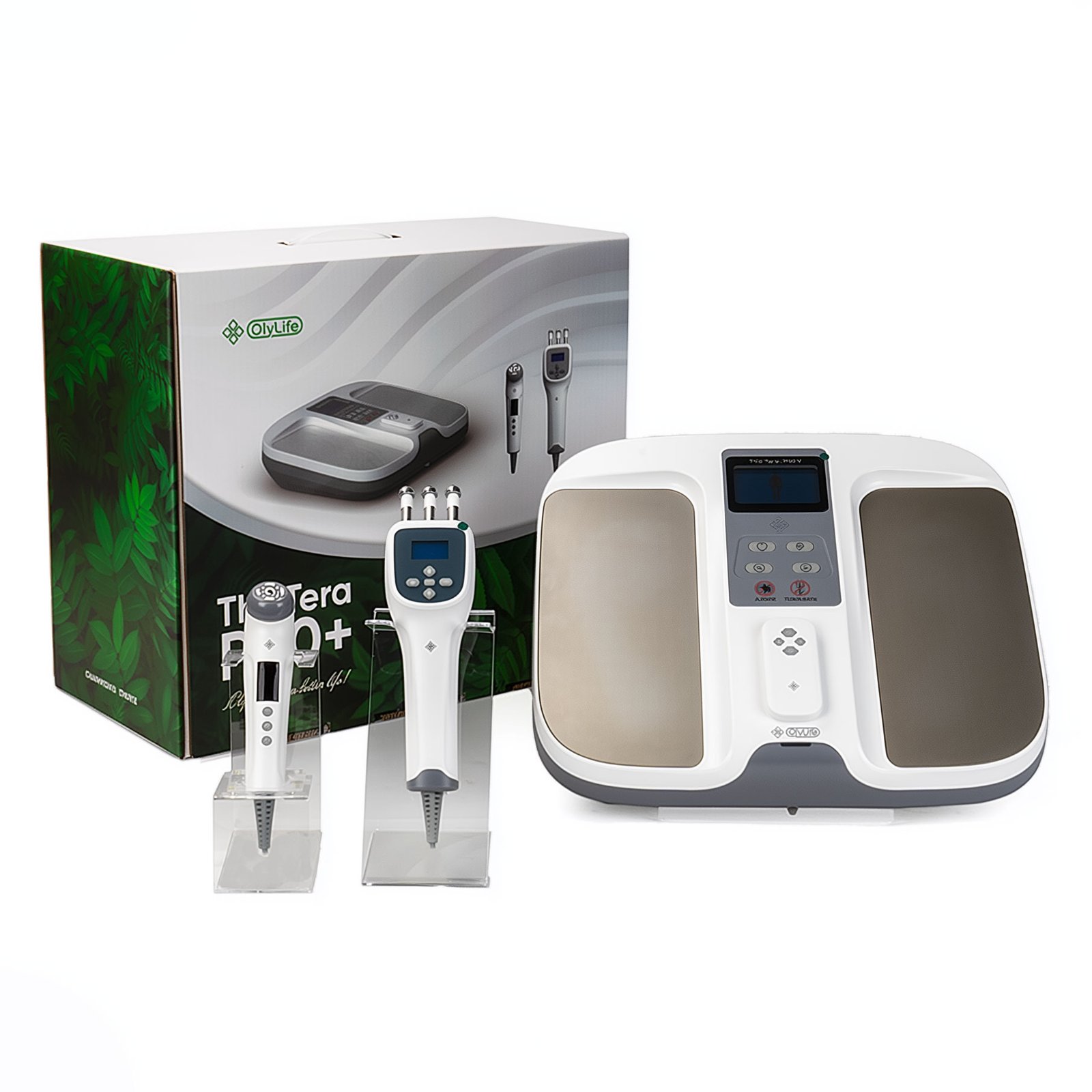
If you’re exploring how PEMF therapy might complement your sleep practice, the OlyLife Tera-P90+ combines PEMF with terahertz frequency technology in a single wellness system. Many users incorporate a 15-20 minute session as part of their evening wind-down routine, targeting areas where they hold tension — shoulders, lower back, and feet are popular choices.
This approach pairs beautifully with the other natural sleep remedies in this guide. Imagine an evening routine that combines a chamomile-lavender tea, gentle breathwork, and a brief PEMF session — each modality working through different pathways but all moving your body toward the same destination: deep, restorative sleep.
For a deeper dive into how PEMF mat therapy works and the research behind it, we’ve created a comprehensive guide.
Support Your Natural Sleep Rhythm
The OlyLife Tera-P90+ combines PEMF and terahertz technology to support your body’s natural relaxation processes. Gentle, non-invasive, and designed for daily home use — a modern complement to your evening wellness ritual.
Frequently Asked Questions About Natural Sleep Remedies
Here are answers to the most common questions about using natural approaches to improve your sleep.
How long do natural sleep remedies take to work?
It depends on the remedy. Breathwork and environmental changes (darkness, cool temperature) can improve sleep the very first night. Herbal teas like chamomile and passionflower typically show effects within 30-60 minutes. Supplements like magnesium and valerian root may take 2-4 weeks of consistent use to reach full effectiveness. Adaptogens like ashwagandha generally need 4-6 weeks to significantly modulate your stress response.
Can I combine multiple natural sleep remedies?
Yes — in fact, combining multiple approaches is often more effective than relying on a single remedy. A comprehensive sleep protocol might include magnesium supplementation, an herbal tea blend, breathwork, and an optimized sleep environment. Just introduce changes one at a time so you can identify what works best for your body.
Are natural sleep remedies safe to use with medications?
While natural sleep remedies are generally considered safe, some herbal supplements can interact with medications. Valerian root, for example, may enhance the effects of sedatives and anti-anxiety medications. Magnesium can interact with certain antibiotics and blood pressure medications. Always consult with your healthcare provider before adding supplements to your routine, especially if you take prescription medications.
What’s the most effective natural sleep remedy for anxiety-related insomnia?
For sleep disrupted by anxiety, a multi-pronged approach tends to work best. Passionflower tea or extract addresses the anxiety directly through GABAergic activity. The 4-7-8 breathwork technique calms the nervous system in real time. Ashwagandha taken daily helps lower baseline cortisol over time. And calming your nervous system through gentle movement, warm baths, or meditation creates the physiological conditions for sleep to occur naturally.
Should I take melatonin as a natural sleep aid?
Melatonin can be helpful for short-term use, particularly for jet lag or shift work. However, it’s most effective at low doses (0.5-3mg) taken 30-60 minutes before bed. Higher doses don’t necessarily work better and may cause next-day grogginess. For long-term sleep improvement, addressing the underlying causes of poor sleep — stress, environment, diet, and evening habits — tends to be more sustainable than relying on melatonin supplementation alone.
How does gut health affect sleep?
Your gut microbiome produces approximately 95% of your body’s serotonin, the precursor to the sleep hormone melatonin. Research shows that greater microbiome diversity correlates with better sleep quality and duration. Supporting your gut with fermented foods, diverse plant fibers, and reducing ultra-processed foods may improve sleep indirectly by optimizing your body’s melatonin production pathway.
Your Journey to Restful Nights Starts Tonight
The beauty of natural sleep remedies lies in their accessibility and their respect for your body’s innate wisdom. You don’t need to overhaul your entire life overnight — start with one or two changes that resonate with you and build from there.
Perhaps tonight you brew a cup of chamomile tea while dimming the lights. Tomorrow, you might add magnesium-rich pumpkin seeds to your evening snack. Next week, you could explore breathwork or create a more intentional wind-down ritual. Each small step compounds, gradually teaching your body that nighttime is safe, that rest is welcome, and that deep sleep is your natural state.
Remember: good sleep isn’t a luxury — it’s the foundation on which every other aspect of your wellness is built. When you sleep deeply, you wake with clearer thinking, calmer emotions, stronger immunity, and more energy to bring to the things and people you love.
Your body already knows how to sleep well. These natural remedies simply help you clear the obstacles and rediscover what was always there.
For more on supporting your wellbeing naturally, explore our guides on nervous system regulation techniques, grounding exercises for calm, and holistic health nutrition.