Few things stop your day in its tracks quite like a sore, cramping, or churning belly. Whether it shows up as a dull ache after a heavy meal, sharp gas pains, or that queasy, unsettled feeling before an important moment, stomach discomfort is one of the most common reasons people reach for something soothing. The good news? Finding natural relief for stomach pain is often simpler than you might think — and many gentle, time-tested remedies can help calm your gut without a trip to the medicine cabinet.
In this guide, we’ll walk through what’s really behind your stomach pain, how to match the right natural remedy to the type of discomfort you’re feeling, and the everyday habits that keep your digestion calm for the long run. Think of it as a warm, practical roadmap for a happier belly — rooted in how your gut actually works. As always, natural approaches are meant to support your comfort, not replace medical care when you truly need it.
Why Does Your Stomach Hurt? Common Causes of Stomach Pain
Before you can soothe your stomach, it helps to understand what’s stirring things up. “Stomach pain” is a catch-all phrase for discomfort that can come from your stomach, intestines, or the wider digestive system — and the cause shapes the best way to find relief.
Most everyday belly aches trace back to a handful of familiar triggers:
- Gas and bloating — trapped air from eating quickly, carbonated drinks, or fermentable foods can create pressure and cramping.
- Indigestion — that heavy, burning, over-full feeling after rich, fatty, or spicy meals, often paired with mild reflux.
- Constipation — sluggish digestion and infrequent bowel movements can cause a dull, achy fullness.
- Cramping — muscle spasms in the gut wall, sometimes tied to your menstrual cycle or intense stress.
- Nausea — a queasy, unsettled stomach that may come from motion, hormones, or something that didn’t agree with you.
- Stress and anxiety — your emotions speak directly to your gut, which we’ll explore in depth below.
Recognizing which pattern you’re dealing with is the first step, because the most effective natural relief for stomach pain is rarely one-size-fits-all. A remedy that eases trapped gas is different from one that calms a stress-tightened belly. If you find yourself asking these questions often, our guide to the warning signs your gut needs attention is a helpful next read.
Natural Relief for Stomach Pain by Type: Match the Remedy to the Discomfort

Here’s where most listicles fall short: they hand you a long list of remedies without telling you when to use each one. Let’s fix that. Below, you’ll find natural relief for stomach pain organized by the kind of discomfort you’re actually feeling.
For gas and bloating
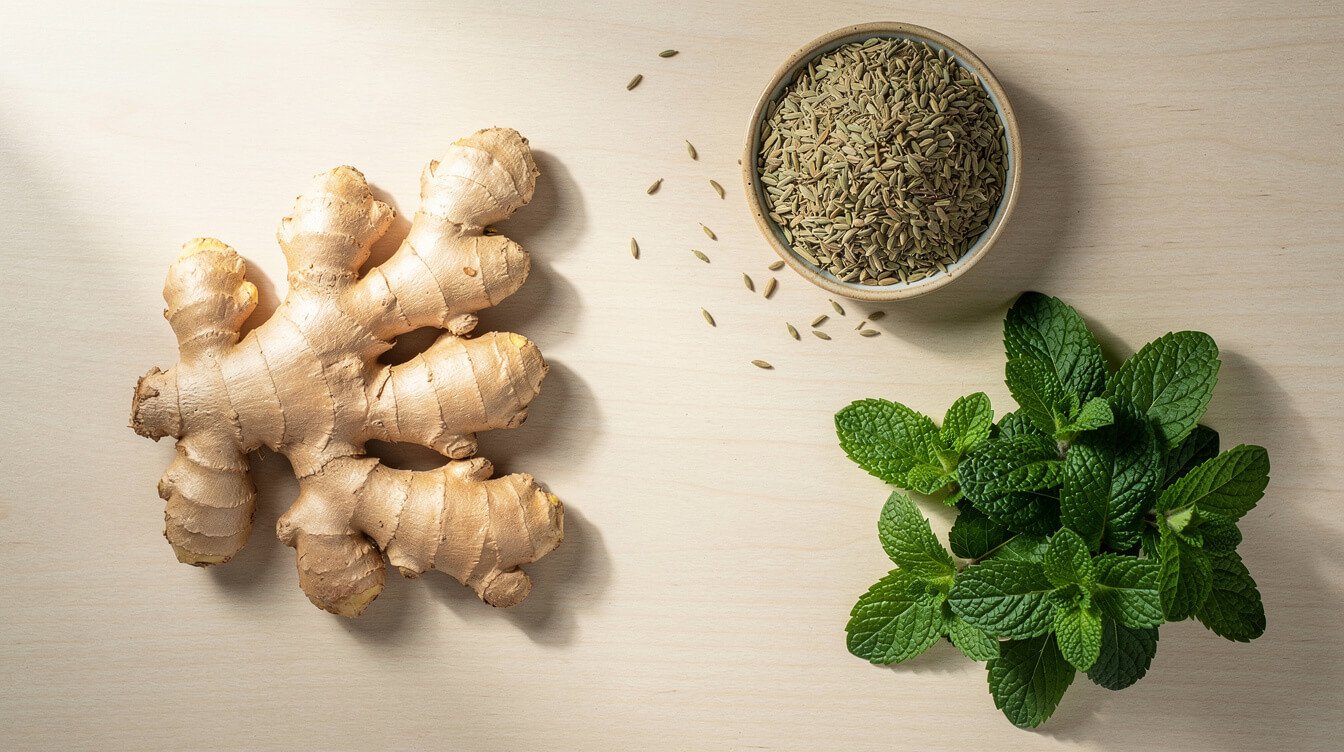
When the culprit is trapped air and pressure, gentle movement is your friend. A slow 10–15 minute walk helps your digestive muscles move gas along. Warm fennel or peppermint tea may help relax the gut and encourage trapped air to pass — both have traditionally been used as carminatives (herbs that ease gas). Curling into a gentle knees-to-chest position on the floor can also relieve pressure.
For indigestion and that over-full feeling
Resist the urge to lie down, which can invite reflux. Instead, stay comfortably upright and sip warm water or ginger tea. A small amount of ginger may help support the natural movement of food through your stomach, easing that heavy, stuck sensation.
For cramping
Muscle spasms respond beautifully to warmth. A warm compress or heating pad over your abdomen can help relax tense gut muscles and ease the ache. Magnesium-rich foods and gentle stretching may also support muscle relaxation — you can read more in our complete guide to magnesium benefits.
For nausea
Ginger is the classic ally here, traditionally used to settle a queasy stomach. Slow, steady sips of ginger or peppermint tea, or simply inhaling the aroma of peppermint essential oil, may help. Pressing the P6 (Neiguan) acupressure point on your inner wrist is another gentle, drug-free technique many people find soothing.
For stress-related stomach pain
When your belly tightens with worry, the remedy isn’t in your kitchen — it’s in your nervous system. Slow diaphragmatic breathing signals your body to shift out of “fight or flight” and into “rest and digest.” We’ll cover this powerful gut-brain link in its own section below.
Calming Herbs and Teas That Soothe Your Stomach

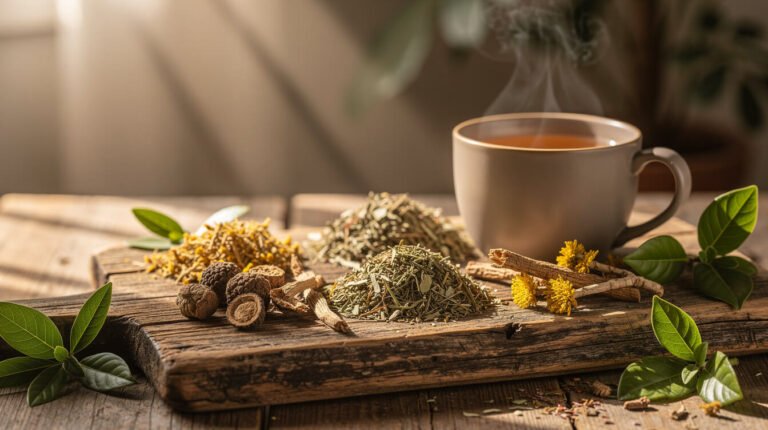
A warm cup of herbal tea is one of the oldest and most comforting forms of natural relief for stomach pain — and there’s real wisdom behind the ritual. Here are the gentle plant allies most worth reaching for, and why they may help.
Ginger
Ginger’s warming compounds, called gingerols, have traditionally been used to ease nausea and support healthy digestion. Research suggests ginger may help encourage the stomach to empty comfortably, which can relieve that stuck, queasy feeling. Steep a few fresh slices in hot water for a simple, soothing brew.
Peppermint
The menthol in peppermint is thought to help relax the smooth muscle of the digestive tract, which may ease cramping and trapped gas. It’s a favorite for bloating and general belly tension. (A quick note: if you’re prone to acid reflux, peppermint can occasionally relax the valve at the top of your stomach, so notice how your body responds.) Learn more in our spotlight on peppermint for wellness.
Chamomile
Chamomile contains a plant compound called apigenin and has long been valued for its calming qualities — for both the mind and the gut. A warm cup may help soothe mild cramping and support relaxation, making it especially lovely when stress and stomach discomfort go hand in hand.
Fennel
Chewing fennel seeds or sipping fennel tea after meals is a centuries-old tradition for easing gas and bloating. As a gentle carminative, fennel may help relax the gut and encourage trapped air to move along.
Lemon balm
A member of the mint family, lemon balm is traditionally used to calm a nervous, jittery stomach — the kind that shows up when you’re anxious. Its gentle, lemony brew can be a comforting evening ritual.
Slippery elm and marshmallow root
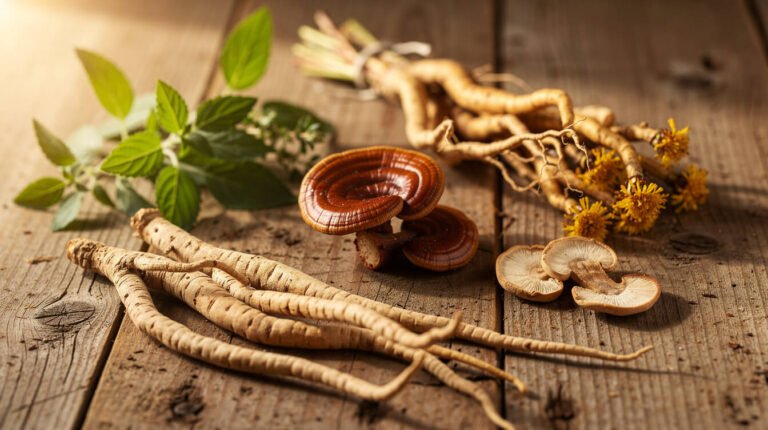
These two lesser-known herbs are rich in a soft, gel-like fiber called mucilage. When brewed into a tea, they create a soothing, coating quality that has traditionally been used to comfort an irritated digestive lining. They make a gentle choice when your stomach feels raw or over-sensitive. For a deeper look at plant allies and how to use them safely, explore our complete guide to herbal remedies.
A quick, warm reminder: herbs are gentle, but they aren’t automatically right for everyone. If you’re pregnant, nursing, taking medication, or managing a health condition, check with a trusted healthcare provider before making any herbal tea a daily habit.
Fast-Acting Comfort: Heat, Movement, and Pressure Points

Sometimes you need relief right now. These body-based techniques work quickly and require nothing more than your own hands, a little warmth, and a few quiet minutes.
Apply gentle warmth
Warmth is one of the most reliable ways to calm a cramping belly. A heating pad, hot water bottle, or warm compress placed over your abdomen may help relax tense digestive muscles and improve your sense of comfort. Many people find that gentle, consistent warmth encourages the whole body to soften into a more relaxed, rest-and-digest state.
This is exactly why so many in our community keep a warmth-based wellness ritual on hand for tender-tummy days. The OlyLife THz Tera-P90+ pairs gentle terahertz warmth with PEMF frequencies, offering a comforting way to support relaxation across the abdomen when your stomach feels tight and unsettled.
Move gently
Lying perfectly still isn’t always best. A slow, easy walk can help your digestive system move gas and food along, easing pressure and bloating. Gentle yoga poses — like a supported child’s pose or a knees-to-chest hug — can also release tension in the belly.
Try acupressure
Two points are especially popular for digestive comfort. The P6 (Neiguan) point sits about three finger-widths down from your wrist crease, between the two tendons — gentle circular pressure here is traditionally used for nausea. The ST36 point, four finger-widths below the kneecap on the outer shin, is another classic point associated with digestive wellbeing.
Breathe your belly calm
Place one hand on your chest and one on your stomach. Breathe in slowly through your nose so your lower hand rises, then exhale gently and even more slowly. Just a few minutes of this slow, low breathing can help ease a tense stomach — a simple technique you’ll find woven through our breathwork for stress relief guide (and it costs you nothing at all).
🎁 Get a Free Wellness Gift
Enter your name and email below to receive a special wellness gift from OlyLife — absolutely free!
The Gut-Brain Connection: Why Stress Lands in Your Stomach

Have you ever felt “butterflies” before a big event, or lost your appetite when you were upset? That’s your gut-brain axis at work — a constant, two-way conversation between your digestive system and your brain, carried largely along the vagus nerve.
Your gut is lined with millions of nerve cells, so many that scientists sometimes call it your “second brain.” When you’re stressed, your body shifts into “fight or flight” mode, which can slow or scramble digestion and leave your stomach cramping, churning, or tied in knots. This is why so much stomach pain has no obvious dietary cause — it’s an emotional signal showing up in physical form. Our deep dive into the gut-brain connection explores this fascinating loop in detail.
The encouraging part is that the conversation runs both ways. Just as stress can upset your stomach, calming your nervous system can settle your gut. Practices that gently stimulate the vagus nerve — slow exhale-focused breathing, humming, gentle warmth, and mindful rest — help switch on your “rest and digest” state. If this resonates, our guide to vagus nerve exercises and our stress relief relaxation techniques are wonderful companions to this article. Many people also find that natural remedies for anxiety help quiet an anxious stomach at the source.

Support Your Body’s Calm, Rest-and-Digest State
The OlyLife THz Tera-P90+ combines gentle terahertz warmth with PEMF frequencies — a comforting way to support relaxation and your body’s natural rest-and-digest rhythm on tender-tummy days.
Root-Cause Relief: Daily Habits for a Calmer Stomach

The most lasting natural relief for stomach pain comes from preventing it in the first place. When you nurture a resilient, well-balanced gut, everyday aches tend to become far less frequent. These gentle daily habits build that foundation.
Feed your gut a diversity of plants
Your gut microbiome thrives on variety. Aiming for a wide range of plants each week — vegetables, fruits, legumes, nuts, seeds, and whole grains — provides the fiber that beneficial gut bacteria love. A well-fed microbiome supports smoother digestion and less bloating over time.
Welcome fermented foods
Yogurt, kefir, sauerkraut, kimchi, and miso deliver beneficial microbes that may help support a balanced gut environment. Adding a small serving to your day is a simple, delicious habit — our complete guide to fermented foods for gut health shows you how to start gently.
Stay well hydrated
Water keeps everything moving through your digestive tract and helps prevent the sluggish, achy fullness of constipation. Starting your day with a glass of water is an easy, grounding ritual — see our take on morning hydration.
Eat mindfully and unhurried
How you eat matters as much as what you eat. Slowing down, chewing thoroughly, and eating away from screens gives your digestive system a calm, unrushed environment to do its work — and helps you notice fullness before you overeat. Anti-inflammatory choices can help too; our anti-inflammatory breakfast foods guide is a gentle place to begin, and turmeric is a warming, traditionally soothing addition to meals.
Protect your sleep and manage stress
Because your gut and nervous system are so deeply linked, quality rest and steady stress management are quietly some of the best things you can do for your digestion. A consistent wind-down routine pays dividends for your belly, too.
When to See a Doctor About Stomach Pain
Natural remedies are wonderful for the everyday aches, but some stomach pain is your body’s way of asking for professional care. Please reach out to a healthcare provider — or seek urgent care — if you experience any of the following:
- Severe, sudden, or rapidly worsening pain
- Pain accompanied by a high fever, persistent vomiting, or inability to keep fluids down
- Blood in your stool or vomit, or black, tarry stools
- Pain with chest pressure, shortness of breath, or dizziness
- A hard, swollen, or tender abdomen
- Unexplained weight loss, or pain that keeps returning over weeks
- Stomach pain during pregnancy
Trust your instincts. Natural relief for stomach pain is meant to support your comfort and wellbeing — never to delay care when something feels seriously wrong.
Frequently Asked Questions About Natural Relief for Stomach Pain
What is the fastest natural way to relieve stomach pain?
For quick comfort, combine gentle warmth (a heating pad or warm compress on your belly), slow diaphragmatic breathing, and a warm cup of ginger or peppermint tea. This trio addresses tense muscles, a stressed nervous system, and digestive upset all at once.
What can I drink to soothe a sore stomach?
Warm herbal teas are gentle, time-tested choices — ginger for nausea, peppermint or fennel for gas and bloating, and chamomile or lemon balm for stress-related aches. Plain warm water helps too. Sip slowly rather than gulping.
Why does my stomach hurt when I’m stressed?
Your gut and brain are in constant communication through the gut-brain axis and the vagus nerve. When you’re stressed, your body diverts energy away from digestion, which can cause cramping, churning, or nausea. Calming your nervous system often calms your stomach in turn.
What foods should I avoid when my stomach hurts?
While your stomach is tender, it’s usually wise to go easy on fatty, fried, and heavily spiced foods, carbonated drinks, caffeine, and alcohol — all of which can irritate the gut. Gentle, easy-to-digest foods tend to feel better until you’ve recovered.
Can natural remedies really replace medication for stomach pain?
For everyday, mild discomfort, natural approaches are often all you need. But they aren’t a substitute for medical care when pain is severe, persistent, or paired with warning signs. Think of natural relief as your first, gentle line of comfort — with a doctor as your partner when symptoms call for it.
Final Thoughts
Your stomach doesn’t have to run your day. By tuning in to the kind of discomfort you’re feeling — gas, cramping, indigestion, nausea, or the tight grip of stress — you can choose natural relief for stomach pain that actually meets the moment. A warm cup of tea, gentle heat, mindful breathing, and a gut-nourishing lifestyle add up to a calmer, more comfortable belly over time.
Be patient and gentle with yourself as you learn what works for your body. Small, consistent rituals — a soothing tea, a slow evening breath, a nourishing plate, a moment of warmth — are how lasting digestive wellbeing is built. And remember: listening to your gut, in every sense, is one of the kindest things you can do for your whole-body health. 🌿