Foods That Build Immune System Support: An Evidence-Informed Guide
As the days shorten and cold-and-flu season settles in, more of us start looking at our plates and wondering if what we eat can help. The short answer is yes, with an important caveat. There’s no single “superfood” that switches your immune system into high gear. But foods that build immune system resilience do exist, in the sense that your immune cells depend on a steady supply of specific nutrients to do their everyday work. Run low on those nutrients and your defenses may not work as well as they could.
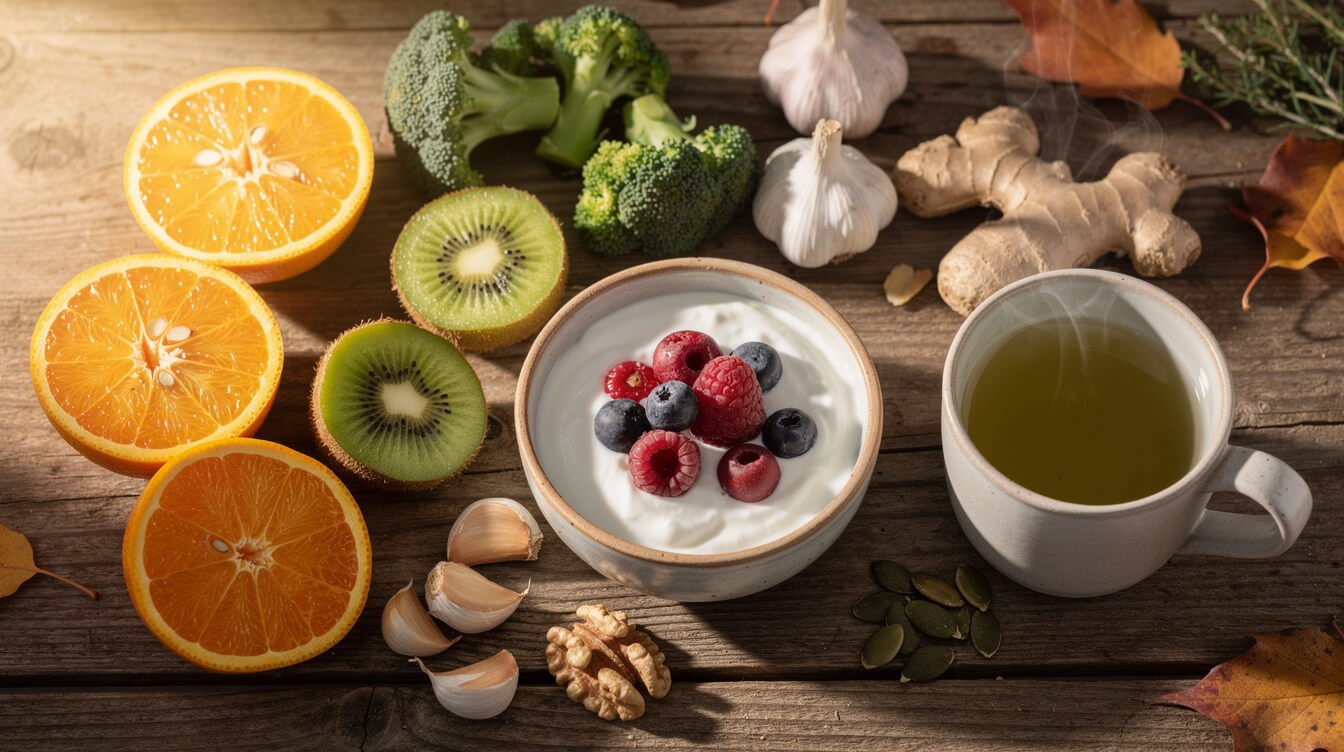
In this guide, we’ll skip the hype and get practical. You’ll learn what “boosting immunity” really means, which nutrients matter most and where to find them, 15 everyday foods grouped by the job they do, an honest evidence table that shows what research actually supports, a simple cold-season plate template with a grocery list, and the lifestyle habits that matter just as much as food. We’ll also cover the cautions most listicles leave out.
Foods That Build Immune System Support: What “Boosting” Really Means
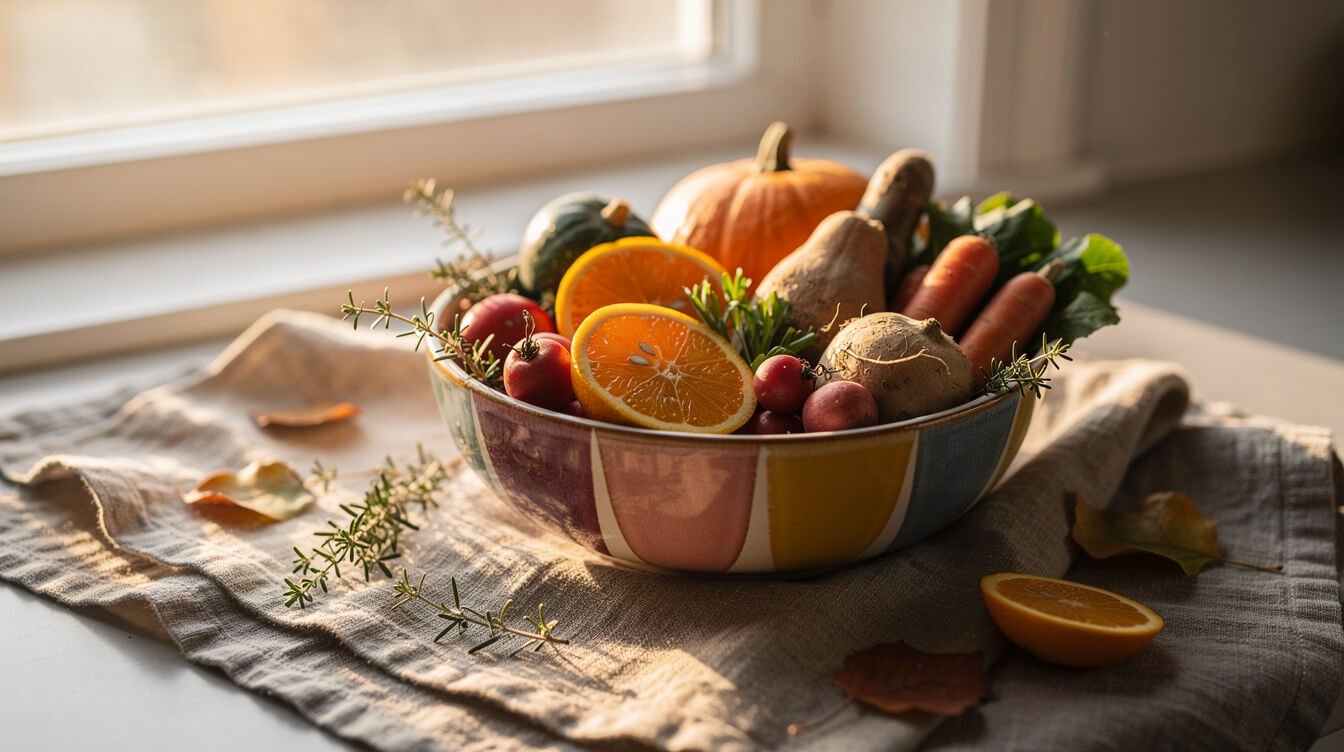
Search for immune foods and you’ll find dozens of lists promising to “boost” your immunity. It’s a catchy word, but it’s a little misleading. Your immune system isn’t a dial you want turned up as high as possible. An overactive immune response is what drives allergies, and in autoimmune conditions it attacks the body’s own tissues. What you really want is a well-supplied, well-regulated immune system: one that responds firmly to genuine threats and then calms back down.
That’s where food comes in. Your immune system is one of the most resource-hungry systems in your body. It constantly makes new cells, produces antibodies (which are proteins), and repairs the skin and mucous membranes that form your first line of defense. All of that work needs raw materials: protein, vitamins A, C, D and E, minerals like zinc, selenium and iron, and the fiber that feeds the gut bacteria that help train your immune cells.
Think “Supply,” Not “Boost”
Research suggests that the biggest gains come from correcting a shortfall, not from piling extra nutrients on top of an already adequate diet. Someone low in vitamin D or zinc may notice a real difference when they fix that gap. Someone who already eats well is unlikely to get much further benefit from mega-doses. This is the single most useful idea in this whole guide: the aim is consistent, varied nourishment, not a magic ingredient.
Your Gut Is an Immune Organ
A large share of your body’s immune tissue sits in and around your gut, in what’s called gut-associated lymphoid tissue. The trillions of microbes living in your digestive tract constantly “talk” to these immune cells. When you feed those microbes fiber, they produce short-chain fatty acids that research suggests may help keep inflammation in check. That’s why so many of the foods below support the gut as much as anything else. If you’d like a deeper look, our guide to fermented foods for gut health explains this connection in more detail.
The Nutrients Your Immune System Runs On
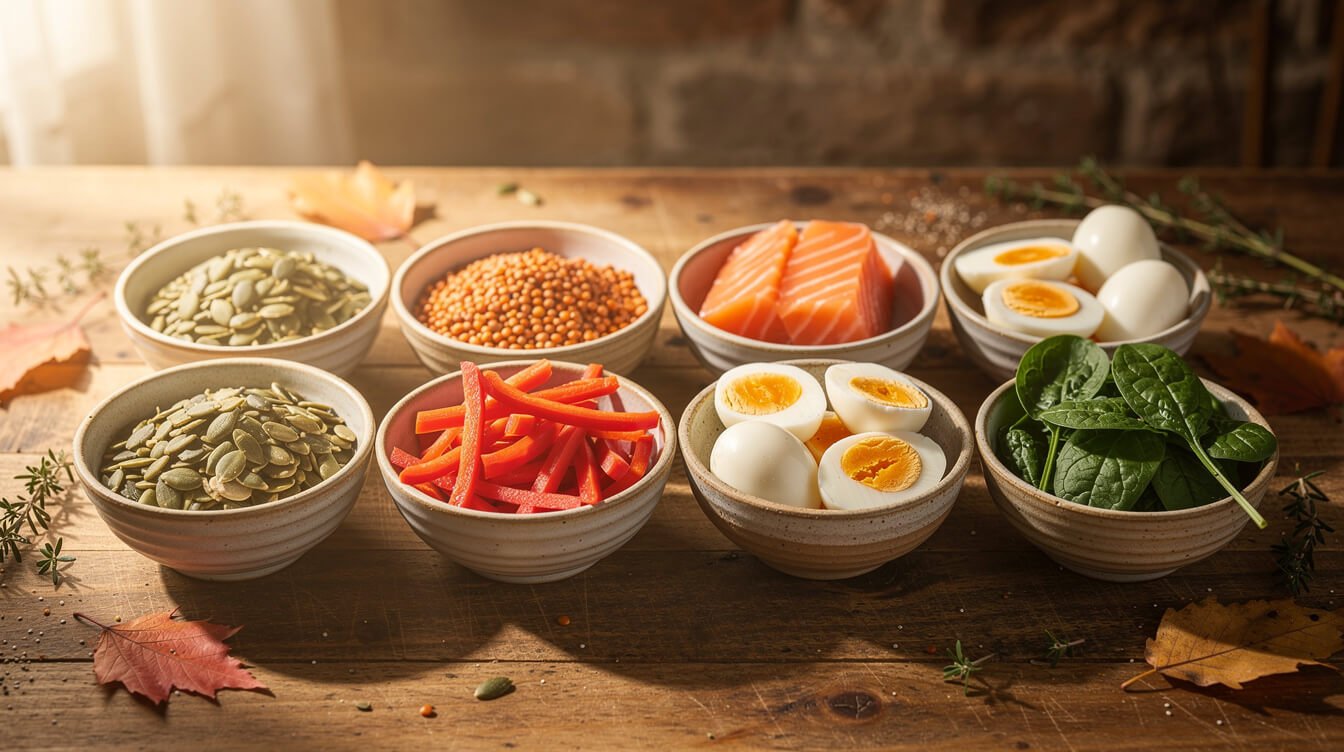
Before we get to specific foods, it helps to know why they’re on the list. Here are the key nutrients involved in immune function, what they do, and where to find them. The daily amounts are general adult guidelines from the U.S. National Institutes of Health Office of Dietary Supplements (NIH ODS). Your own needs may differ.
| Nutrient | What it does for immunity | Top food sources | Adult daily target |
|---|---|---|---|
| Vitamin C | Supports the barrier function of skin and the activity of white blood cells; an antioxidant | Red bell pepper, kiwi, citrus, broccoli, strawberries | 75 mg (women), 90 mg (men) |
| Vitamin D | Helps regulate both innate and adaptive immune responses | Oily fish, egg yolks, UV-exposed mushrooms, fortified milk | 600 IU (800 IU over 70) |
| Zinc | Needed for immune cell development and signaling | Oysters, beef, pumpkin seeds, lentils, chickpeas | 8 mg (women), 11 mg (men) |
| Selenium | Part of antioxidant enzymes that protect immune cells | Brazil nuts, seafood, eggs, whole grains | 55 mcg |
| Vitamin A | Keeps mucous membranes in the nose, gut and lungs healthy | Sweet potato, carrots, pumpkin, leafy greens, eggs | 700 mcg RAE (women), 900 mcg RAE (men) |
| Vitamin E | Antioxidant that supports immune cell membranes | Almonds, sunflower seeds, avocado, spinach | 15 mg |
| Protein | Building block for antibodies and new immune cells | Fish, eggs, yogurt, beans, lentils, tofu, poultry | Roughly 0.8 g per kg of body weight (more for older adults) |
| Fiber & fermented foods | Feed and diversify gut microbes that interact with immune cells | Oats, beans, vegetables, yogurt, kefir, kimchi, sauerkraut | 25–38 g fiber |
Notice how much overlap there is. A plate with salmon, sweet potato and broccoli covers protein, vitamin D, vitamin A and vitamin C in one sitting. That’s the beauty of a food-first approach. Whole foods deliver nutrients in combination, along with fiber and plant compounds that a single supplement can’t copy.
A note on vitamin D: It’s the one nutrient that’s genuinely hard to get from food alone, especially in autumn and winter when sunlight is weaker. If you live far from the equator or spend most of your time indoors, it’s worth asking your doctor about a blood test. Our vitamin D FAQ for shorter days covers the basics.
15 Foods That Build Immune System Resilience, Grouped by the Job They Do
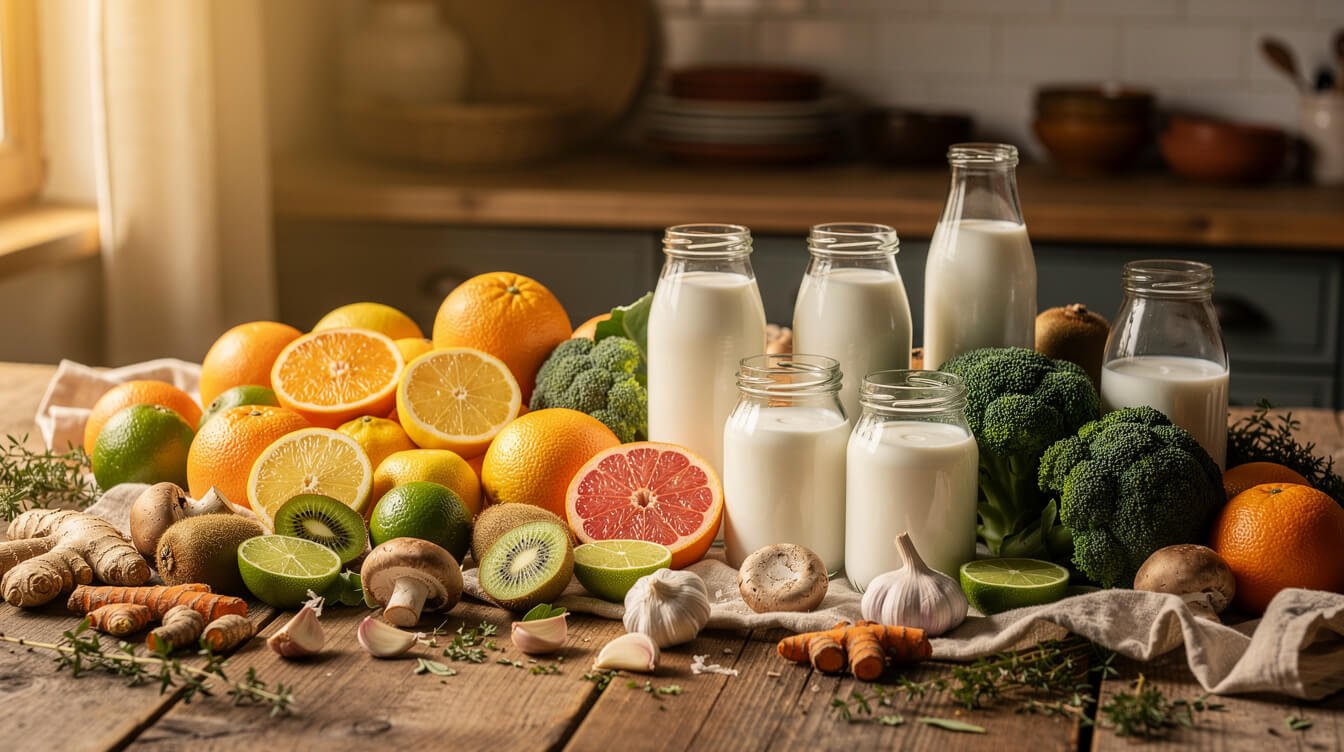
Rather than another random list, here are 15 widely available foods organized by the role they play. Aim to include something from most groups across your week, not every group every day.
Vitamin C Champions
- 1. Red bell peppers. Half a cup of raw red pepper provides more vitamin C than an orange, plus beta-carotene. Slice them into salads, stir-fries or snack plates.
- 2. Kiwi. One medium kiwi delivers most of a day’s vitamin C along with fiber. Easy to pack and in season through winter.
- 3. Citrus fruits. Oranges, clementines and grapefruit are classic cold-season fruits. (Grapefruit interacts with a number of medications, so see the cautions section below.)
- 4. Broccoli. A true multitasker with vitamins C, A and E, folate and fiber. Lightly steam it rather than boiling it to keep more of the vitamin C.
Zinc, Selenium and Protein Builders
- 5. Pumpkin seeds. A handful adds zinc, magnesium and plant protein. Sprinkle on oatmeal, soups or salads.
- 6. Lentils and chickpeas. Affordable sources of zinc, protein, iron and fiber all in one. Perfect for cozy soups and stews.
- 7. Eggs. Provide high-quality protein, selenium, and some vitamin D in the yolk.
- 8. Brazil nuts. Just one or two nuts can cover a day’s selenium. More is not better here. Selenium has an upper limit, so stick to a couple at a time.
Vitamin D and Omega-3 Sources
- 9. Salmon, sardines and mackerel. Among the few natural food sources of vitamin D, plus omega-3 fats that research suggests may help regulate inflammation. Our omega-3 FAQ covers how much to aim for.
- 10. Mushrooms. Mushrooms exposed to UV light contain vitamin D. Shiitake also contain beta-glucans, compounds that researchers are studying for their effects on immune cells.
Gut Microbiome Feeders
- 11. Yogurt and kefir. Look for “live and active cultures” on the label and choose unsweetened versions where you can.
- 12. Kimchi and sauerkraut. Fermented vegetables add both beneficial microbes and fiber. Choose refrigerated, unpasteurized varieties for live cultures.
- 13. Oats and other whole grains. Oats contain a beta-glucan fiber that feeds gut bacteria. Our fiber FAQ has easy ways to add more.
Kitchen Staples With a Long Tradition
- 14. Garlic. Traditionally used in many cultures during cold season. Crushing or chopping garlic and letting it rest for a few minutes before cooking allows its key compound, allicin, to form.
- 15. Ginger and turmeric. Warming roots traditionally used to soothe and comfort. Pair turmeric with black pepper and a little fat to help absorption. You’ll find more about both in our herbal remedies guide.
Green tea, sweet potatoes, spinach and almonds are honorable mentions. Each brings antioxidants, vitamin A or vitamin E to the table.
What the Research Actually Says: An Evidence-Strength Table

Most articles stop at listing foods. But how strong is the evidence that eating (or supplementing) these nutrients actually makes a difference? Here’s an honest summary of what the research suggests. Keep in mind that most studies test supplements, not whole foods, and that results in people who are already well-nourished tend to be modest.
| Food or nutrient | What research suggests | Evidence strength |
|---|---|---|
| Vitamin C | A 2013 Cochrane review of 29 trials (over 11,000 people) found regular vitamin C did not reduce how often the general population caught colds, but colds were about 8% shorter in adults and 14% shorter in children. In people under heavy physical stress, like marathon runners and soldiers, cold risk was roughly halved. | Moderate: small benefit for duration |
| Vitamin D | A 2017 BMJ meta-analysis of 25 trials (about 11,000 people) found vitamin D supplements modestly lowered the risk of acute respiratory infections. The biggest benefit was in people who were very low to begin with and took daily or weekly doses. | Moderate: strongest when deficient |
| Zinc | Zinc lozenges started early may shorten colds in some trials, but overall evidence is mixed and low-certainty. Lozenges are a different thing from dietary zinc, and they can cause nausea and a bad taste. | Mixed |
| Fermented foods | A 2021 Stanford study in Cell (36 healthy adults, 10 weeks) found a diet high in fermented foods increased gut microbiome diversity and lowered levels of 19 inflammatory proteins, including IL-6. | Promising but small |
| Probiotics | Cochrane reviews suggest probiotics may modestly reduce the number of people who get upper respiratory infections, but the evidence is low certainty and results vary by strain. | Low to moderate |
| Shiitake mushrooms | In a 2015 trial, 52 healthy adults who ate 5 to 10 grams of dried shiitake daily for four weeks showed improved activity in certain immune cells, higher secretory IgA and lower CRP. | Preliminary |
| Garlic | One 12-week trial of 146 people found fewer colds in the garlic supplement group (24 vs. 65), but a Cochrane review concluded that a single trial isn’t enough to draw firm conclusions. | Insufficient |
| Overall diet quality | Malnutrition and specific deficiencies clearly weaken immune function. A varied, plant-rich diet with adequate protein remains the most reliable foundation. | Strong |
The takeaway? No single food is a shield. The most consistent benefits show up when people fix a genuine shortfall, especially in vitamin D, and when the overall diet is rich in plants, protein and fiber. That’s good news, because it means simple, everyday eating habits are what count most.
If you’d like to go further with an anti-inflammatory eating pattern, our 21-day anti-inflammatory diet plan overlaps closely with the foods in this guide, and our immune-support myths post clears up a few common misconceptions.
A Cold-Season Immune Plate: Daily Template, Week Ideas and Grocery List
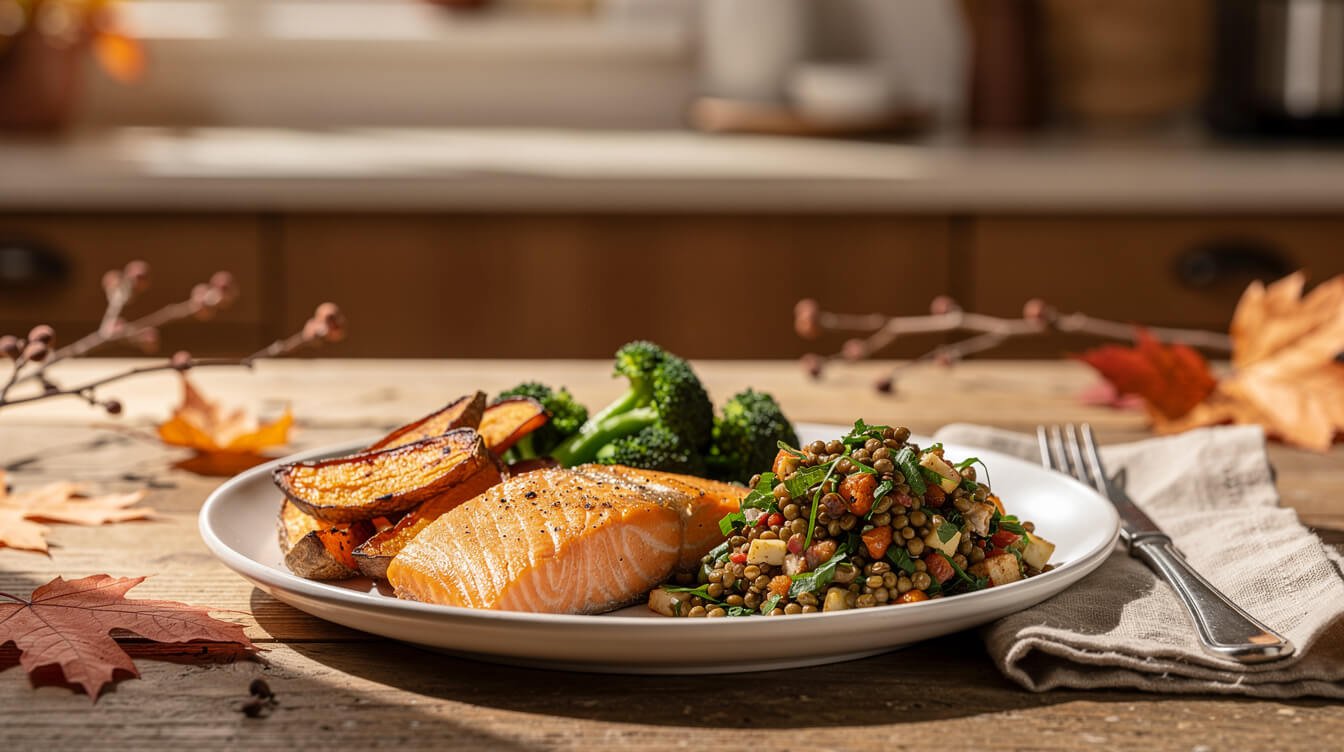
Knowing which foods build immune system support is one thing. Getting them onto your plate on a busy Tuesday is another. Here’s a simple template that makes it easy.
The “Immune Plate” Template
- Half your plate: colorful vegetables and fruit. Aim for at least one vitamin C source (peppers, broccoli, citrus, kiwi) and one orange or dark green vegetable (sweet potato, carrots, spinach, kale).
- A quarter: protein. Fish, eggs, beans, lentils, tofu, poultry or Greek yogurt.
- A quarter: fiber-rich carbs. Oats, brown rice, quinoa, whole-grain bread or potatoes with skins.
- Plus a “booster” topping. A spoon of sauerkraut, a sprinkle of pumpkin seeds, fresh garlic or grated ginger.
A Week of Easy Ideas
| Day | Simple immune-friendly meal idea |
|---|---|
| Monday | Overnight oats with kefir, kiwi and pumpkin seeds |
| Tuesday | Lentil, tomato and ginger soup with whole-grain toast |
| Wednesday | Sheet-pan salmon with sweet potato and broccoli |
| Thursday | Shiitake and vegetable stir-fry with garlic, ginger and brown rice |
| Friday | Chickpea and spinach curry with turmeric and a side of yogurt |
| Saturday | Veggie omelet with red peppers and mushrooms, plus an orange |
| Sunday | Slow-cooked chicken or bean soup with carrots, garlic and greens |
Your Cold-Season Grocery List
- Produce: red bell peppers, broccoli, kiwi, oranges or clementines, spinach or kale, sweet potatoes, carrots, mushrooms, garlic, fresh ginger, lemons
- Protein: salmon or sardines, eggs, lentils, chickpeas, tofu, chicken (optional)
- Dairy and fermented: plain yogurt or kefir, sauerkraut or kimchi
- Pantry: oats, brown rice or quinoa, pumpkin seeds, almonds, a few Brazil nuts, turmeric, black pepper, green tea
Don’t Forget Fluids
Staying hydrated helps keep the mucous membranes in your nose and throat moist, which is part of your body’s natural barrier. Warm broths, herbal teas and plain water all count. If a reusable bottle you love helps you actually drink more through the day, that’s a worthwhile habit. Some of our readers like the H+ Molecular Hydrogen Infusing Water Bottle as a daily hydration companion, but any bottle you’ll carry everywhere does the job.
For a gentle start to the day, our anti-inflammatory breakfast foods guide has plenty of ideas that fit this template.
🎁 Get a Free Wellness Gift
Enter your name and email below to receive a special wellness gift from OlyLife — absolutely free!
Beyond the Plate: Sleep, Stress and Movement

Food is only one piece of the puzzle. Some of the most striking immune research has nothing to do with diet at all.
Sleep
In a 2015 study published in Sleep, researchers exposed 164 healthy adults to a cold virus. Those who had slept less than six hours a night in the week before were about four times more likely to develop a cold than people who slept more than seven hours. Few foods come close to that effect. Protecting your sleep is one of the most powerful immune habits you can build. Our natural sleep remedies guide has practical ideas.
Stress
Classic research by Sheldon Cohen and colleagues, published in the New England Journal of Medicine in 1991, found that people reporting higher psychological stress were more likely to develop respiratory infections after exposure to cold viruses. Daily practices that calm your nervous system, like slow breathing, time outdoors, journaling or gentle movement, may help. Our guide to adaptogenic herbs explores some traditional approaches.
Movement
A 2011 study of 1,002 adults in the British Journal of Sports Medicine found that people doing aerobic exercise five or more days a week had about 43% fewer days with upper respiratory symptoms than those who were mostly sedentary. A brisk daily walk counts. And if you’re curious about cold exposure as part of your routine, our benefits of cold plunge guide looks honestly at what the research suggests.
Make Rest Part of Your Cold-Season Routine 🌿
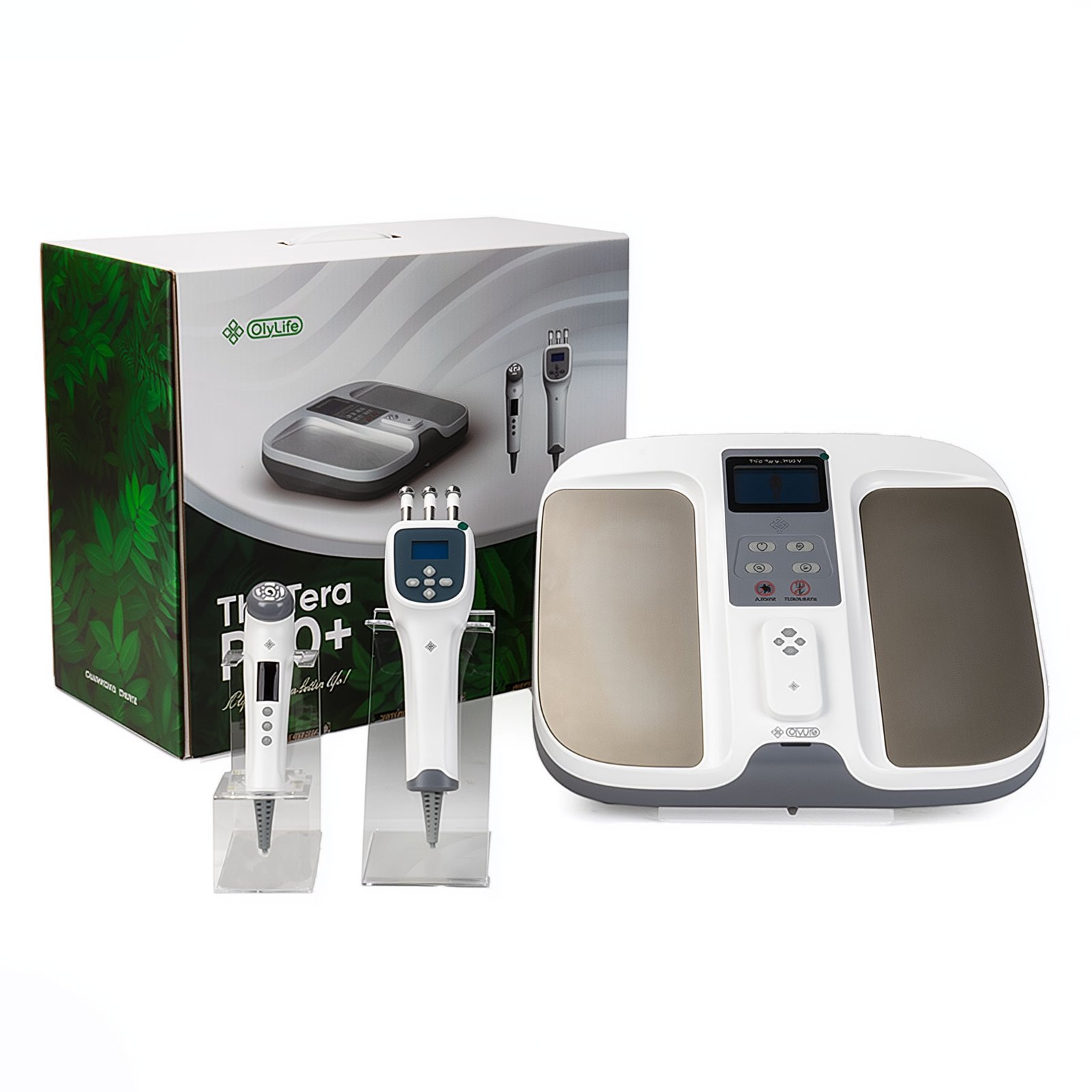
Good sleep starts with a calm evening. The OlyLife THz Tera-P90+ is a home PEMF and terahertz wellness system that many people use as a relaxing wind-down ritual for tired feet, legs and back before bed. It’s a relaxation companion, not a treatment for illness or a substitute for good nutrition.
Myths, Cautions and When to Talk to Your Doctor
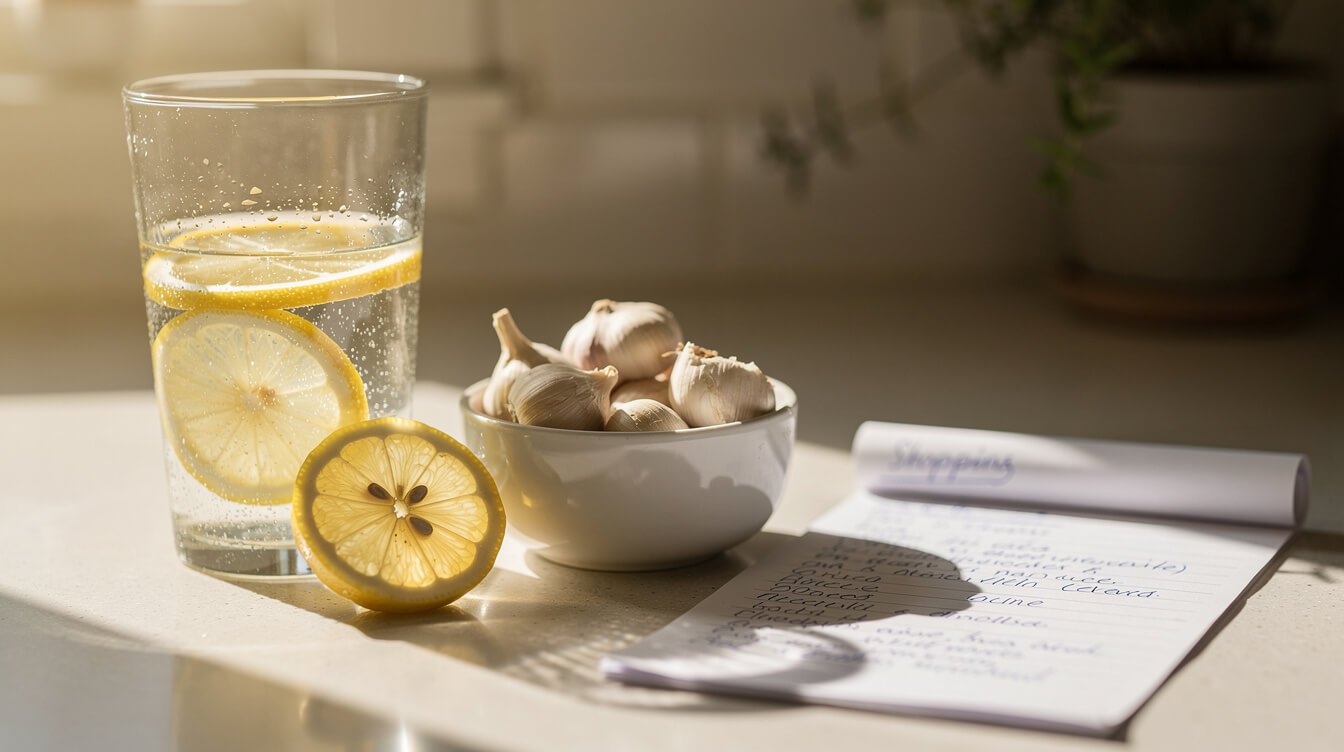
Food is generally the safest way to get your nutrients. But a few cautions are worth knowing, especially as cold season tempts many of us toward supplements.
Common Myths
- “More vitamin C is always better.” Your body absorbs vitamin C less efficiently at high doses, and the excess is excreted. Very high intakes can upset your stomach and, for some people, raise the risk of kidney stones. The upper limit for adults is 2,000 mg a day.
- “A detox or juice cleanse will boost my immunity.” Your liver, kidneys and gut handle detoxification every day. Cutting out protein and fiber for a juice-only cleanse can actually leave you short on immune-supporting nutrients. Our honest guide to detox explains why.
- “Being cold gives you a cold.” Viruses cause colds, not the temperature itself, though winter habits like spending more time indoors together play a role. Read more in our cold-weather myth-buster.
Cautions Worth Knowing
- Grapefruit can interact with a number of prescription medications, including some statins and blood pressure drugs. Check with your pharmacist if you take regular medication.
- Garlic and turmeric supplements in concentrated doses may interact with blood thinners. Normal cooking amounts are generally fine, but tell your doctor before starting supplements.
- Leafy greens are rich in vitamin K. If you take warfarin, keep your intake consistent rather than suddenly increasing it.
- Zinc has an adult upper limit of 40 mg a day. Taking more for long periods can lower copper levels.
- Vitamin D has an adult upper limit of 4,000 IU a day unless your doctor recommends otherwise.
- Selenium can build up if you eat lots of Brazil nuts every day. A couple at a time is plenty.
- Herbal remedies like elderberry are traditionally used in cold season, but they aren’t right for everyone. Our elderberry spotlight covers who should check with a doctor first.
When to See a Doctor
Food supports your body, but it doesn’t replace medical care. Please contact a healthcare professional if you get sick very often, if infections take a long time to clear, if you have a fever that lasts more than a few days, trouble breathing or chest pain, or if you’re pregnant, older, or living with a chronic condition and want personalized nutrition advice. A simple blood test can reveal whether you’re low in nutrients like vitamin D, iron or B12.
Frequently Asked Questions About Foods That Build Immune System Health
What is the single best food for the immune system?
There isn’t one. Different foods supply different nutrients, and your immune system needs all of them. A varied diet with plenty of vegetables, fruit, protein and fermented foods is far more effective than focusing on any one “superfood.”
How quickly can diet affect immunity?
Some changes happen fairly fast. In the Stanford fermented-food study, shifts in gut microbes and inflammatory markers appeared over 10 weeks. Correcting a deficiency, such as low vitamin D, can take a few weeks to a few months. Think of immune nutrition as a season-long habit, not a quick fix.
Should I take supplements instead of eating these foods?
Food first is the best general approach, because whole foods deliver nutrients together with fiber and plant compounds. Supplements can be useful for filling a confirmed gap, like vitamin D in winter. Talk to your doctor or a registered dietitian before starting any supplement, especially if you take medication.
Is chicken soup actually good when you’re sick?
Chicken soup is a time-honored comfort food, and it’s genuinely helpful in practical ways. It provides fluids, protein, salt and warm steam, and it’s easy to eat when your appetite is low. Add garlic, ginger, carrots and greens to make it even more nourishing.
Are there foods that weaken the immune system?
Diets high in ultra-processed foods, added sugar and alcohol, and low in fiber, are linked with higher inflammation and poorer gut health. Heavy drinking in particular is known to impair immune function. You don’t need to be perfect, but making whole foods the base of your diet helps.
Final Thoughts: Small, Steady Habits Win the Season
The foods that build immune system resilience aren’t exotic. The most powerful immune strategy isn’t a rare berry or an expensive powder. It’s the quiet, repeatable stuff: a colorful plate most days, enough protein, something fermented, a handful of seeds, plenty of fluids, and a real commitment to sleep. When you build those habits, you give your immune system what it needs to do the job it already knows how to do.
Start small this week. Add one vitamin C food to your lunch, swap one snack for pumpkin seeds or yogurt, and protect one extra hour of sleep. Then build from there. Your future self, cozy and well through the colder months, will thank you. 🌿
This article is for educational purposes only and is not a substitute for professional medical advice. Please talk to your doctor or a registered dietitian about your individual nutrition needs, especially if you have a health condition or take medication.