Benefits of Cold Plunge: What Research Suggests and How to Start Safely
Cold plunges have gone from locker-room ritual to backyard wellness trend in just a few years. Your feed is probably full of people sitting calmly in tubs of ice water, promising everything from fat loss to a bulletproof immune system. So what are the real benefits of cold plunge sessions, and which claims hold up when you look at the research?
The honest answer is more interesting than the hype. Some benefits have reasonable support, such as easing post-exercise soreness and a short-term lift in stress, alertness, and sleep quality. Others, like weight loss and “boosting immunity,” rest on much thinner evidence. There’s also one well-documented downside that most cold plunge marketing never mentions.
In this guide, we’ll walk through what happens in your body when you step into cold water, rank each popular benefit by the strength of its evidence, and share a simple beginner protocol (temperature, time, and frequency) so you can decide whether a cold plunge belongs in your routine. We’ll also cover who should skip it and how to pair cold with warmth safely.
What Is a Cold Plunge, and What Happens in Your Body?
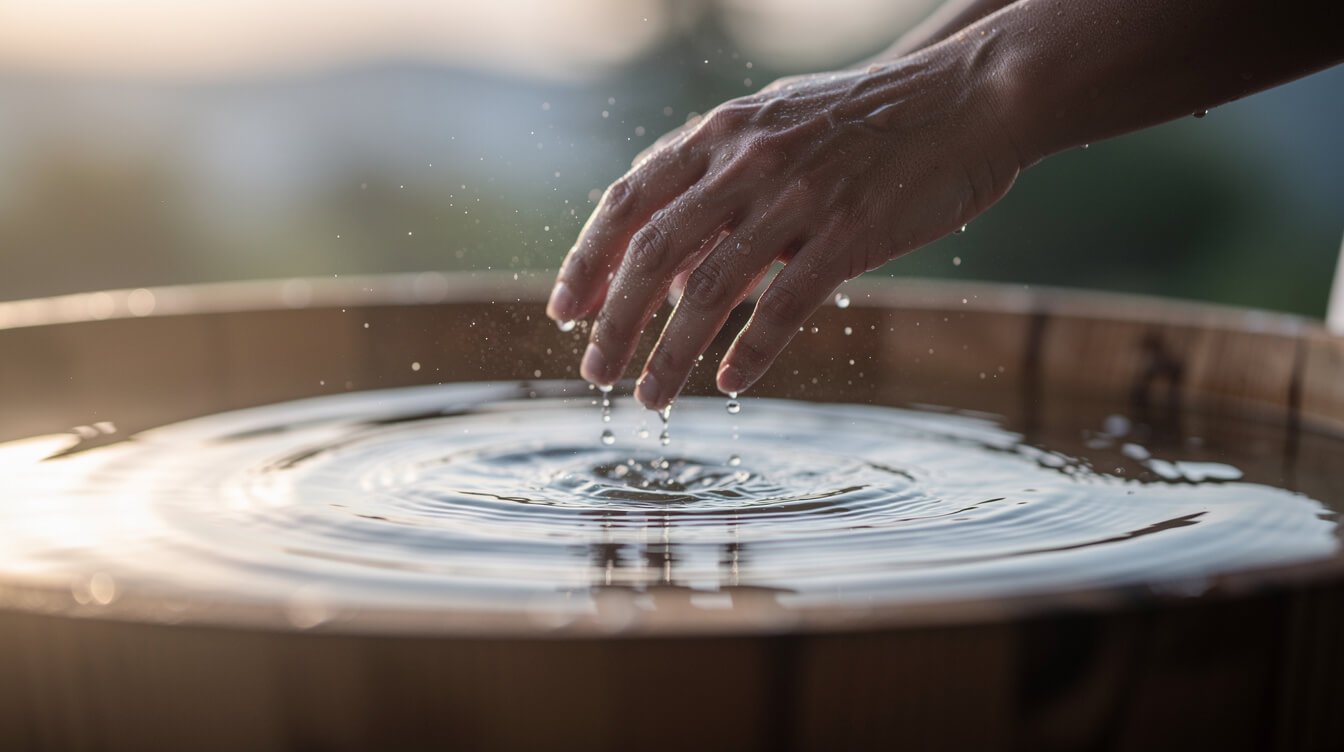
A cold plunge, also called cold-water immersion (CWI) or an ice bath, simply means sitting in cold water, usually up to the chest or shoulders, for a short time. It can be a purpose-built chilled tub, a bathtub with a few bags of ice, a cold lake, or a polar-bear swim. Most research uses water at or below about 59°F (15°C).
Your body responds in a fairly predictable sequence, and understanding it makes the whole practice safer and less intimidating.
Phase 1: The cold shock response (first 1–3 minutes)
The moment cold water hits your skin, your body triggers what physiologists call the cold shock response. You gasp involuntarily, your breathing speeds up, your heart rate jumps, and your blood pressure rises as blood vessels in your skin clamp down. Research led by Professor Mike Tipton at the University of Portsmouth has shown this response is strongest in the first 30 seconds or so and settles within roughly one to three minutes. It’s also the most dangerous part of any cold plunge, which is why slow, controlled entry matters so much.
Phase 2: Settling in
Once the gasp reflex fades, breathing slows and you may feel surprisingly calm and alert. This is when the stress-hormone surge does its work: cold exposure releases norepinephrine (noradrenaline), a chemical messenger linked to focus, vigilance, and mood. Blood is redirected toward your core to protect vital organs, which is why your fingers and toes feel numb quickly.
Phase 3: Rewarming
After you get out, your body works to restore its temperature. You may shiver, and your metabolism rises temporarily. Many people describe a warm, tingly glow and a clear-headed feeling that lasts for hours. That “afterglow” is a big part of why people stick with the habit.
Importantly, repeated exposure leads to habituation: with regular practice, the cold shock response becomes smaller. That’s good news for comfort and safety, but it also means some of the dramatic “first plunge” sensations fade over time.
7 Benefits of Cold Plunge, Ranked by the Evidence
Most articles list cold plunge benefits as if they were equally proven. They aren’t. Here’s how the most popular claims stack up, from strongest to weakest support.
| Claimed benefit | Evidence strength | What the research actually shows |
|---|---|---|
| Less post-exercise muscle soreness | Moderate | Several meta-analyses find small reductions in soreness versus passive rest. |
| Lower stress (short term) | Moderate | A 2025 meta-analysis found lower stress 12 hours after immersion. |
| Feeling alert and energized | Moderate | Consistent rises in norepinephrine and dopamine, plus self-reported alertness. |
| Better sleep quality | Limited to moderate | Improvements in some studies, mostly in small or athletic groups. |
| Fewer sick days | Limited | One large cold-shower trial found fewer sick days, but not fewer illnesses. |
| Metabolism and brown fat | Limited | Real but modest effects; no evidence plunging alone causes meaningful weight loss. |
| Long-term mood or “immune boosting” | Weak | Mood and immune markers did not change significantly in the 2025 meta-analysis. |
1. Easing post-exercise muscle soreness
This is the best-studied benefit. A 2016 meta-analysis in Sports Medicine (Machado and colleagues) pooled randomized trials and found cold-water immersion was slightly better than passive rest for reducing delayed-onset muscle soreness. The best results came from water between 11°C and 15°C (about 52–59°F) for 11 to 15 minutes. The word “slightly” matters: this is a modest effect, not a recovery miracle. Cold may help by narrowing blood vessels and dampening swelling and nerve signaling in tired muscles.
2. A short-term dip in stress
In January 2025, researchers from the University of South Australia (Cain and colleagues) published a systematic review and meta-analysis in PLOS One covering 11 randomized trials and 3,177 healthy adults. Cold-water immersion was linked to a significant reduction in stress about 12 hours afterward. Many regular plungers describe the practice as a form of “forced mindfulness”: you can’t think about your inbox while you’re breathing through the cold.
3. Feeling alert, focused, and energized
That post-plunge buzz has a physiological basis. In a classic 2000 study by Šrámek and colleagues, men immersed in 14°C (57°F) water saw norepinephrine rise about 530% and dopamine about 250%. That study involved a full hour in the water, which is far longer than anyone should try at home, but shorter dips also produce noticeable rises. Brain-imaging research published in Biology in 2023 found that just five minutes in cool water left participants feeling more active, alert, and inspired.
4. Better sleep quality (for some people)
The same 2025 meta-analysis reported improvements in sleep quality and overall quality of life, and studies in endurance athletes have found less restless sleep after cold-water recovery sessions. The evidence here is promising but still limited, so treat better sleep as a possible bonus, not a guarantee. Timing matters too: a very cold plunge right before bed can leave some people wired rather than sleepy. If sleep is your main goal, our guide on how to improve sleep quality naturally covers the habits with the strongest support.
5. Fewer sick days, but not fewer illnesses
A frequently cited Dutch trial by Buijze and colleagues (PLOS One, 2016) randomized 3,018 adults to end their usual shower with 30, 60, or 90 seconds of cold water for a month. The cold-shower groups reported 29% fewer sickness absence days from work. But here’s the nuance that gets lost: the number of days people were actually ill didn’t change. Participants seemed to feel well enough to keep working rather than catching fewer colds. It’s an interesting finding about resilience and energy, not proof of a stronger immune system.
6. A gentle nudge to metabolism and brown fat
Cold activates brown adipose tissue (brown fat), a type of fat that burns energy to produce heat. Research on Scandinavian winter swimmers (Søberg and colleagues, Cell Reports Medicine, 2021) linked regular cold and heat exposure to greater cold-induced heat production. Small studies also suggest cold exposure may support how the body handles glucose. Still, the calories burned during a two-minute plunge are small. Cold exposure can be part of an active lifestyle, but it’s not a weight-loss shortcut, and no plunge replaces movement, sleep, and good nutrition.
7. Mood and immunity: promising but unproven
Many people feel happier after a plunge, and that experience is real. However, the 2025 meta-analysis found no significant change in mood scores or immune markers across the trials. Some researchers also note that cold plunges cause a short-term rise in inflammatory markers right afterward, which is the body’s normal stress response. If you have depression or anxiety, cold exposure should never replace professional care, though some people find it a helpful addition to a broader wellness routine.
The takeaway? The benefits of cold plunge practice are real but mostly short-term and modest. Think of it as a tool for feeling refreshed, resilient, and less sore, not a cure-all. If you’re curious about why small, controlled stresses like cold may make you stronger, our short read on hormesis and healthy stress explains the concept.
The Catch: Cold Plunges Can Blunt Strength and Muscle Gains
Here’s the downside most cold plunge sellers skip. If you lift weights to build strength or muscle, plunging straight after your workout may work against you.
In a 2015 study in The Journal of Physiology, Roberts and colleagues had 21 active men strength train twice a week for 12 weeks. After each session, half did 10 minutes of cold-water immersion and half did an easy active cool-down on a stationary bike. The active recovery group gained significantly more strength and muscle. Muscle biopsies showed that cold water dampened the cellular signals (including satellite cell activity) that help muscles repair and grow after training.
Why? The same inflammation-calming effect that eases soreness also mutes some of the “build and adapt” signals your muscles rely on. Harvard sports cardiologist Dr. Prashant Rao has noted that the limited evidence suggests post-exercise cold may be detrimental to gains in muscle power and strength.
How to time your plunge around training
- Strength or muscle-building days: Wait at least four hours after lifting, or plunge on rest days instead. Cleveland Clinic sports medicine physicians suggest avoiding cold therapy within four hours of muscle-building workouts.
- Endurance training: The research on running and cycling looks less concerning, so a post-run plunge is generally reasonable.
- Competition or back-to-back events: This is where cold shines. When you need to feel fresh for tomorrow, faster recovery matters more than long-term adaptation.
- General wellness: If you’re not chasing strength gains, plunge whenever it suits you. Mornings are popular for the alertness boost.
Cold Plunge Temperature and Time: A Beginner’s Protocol
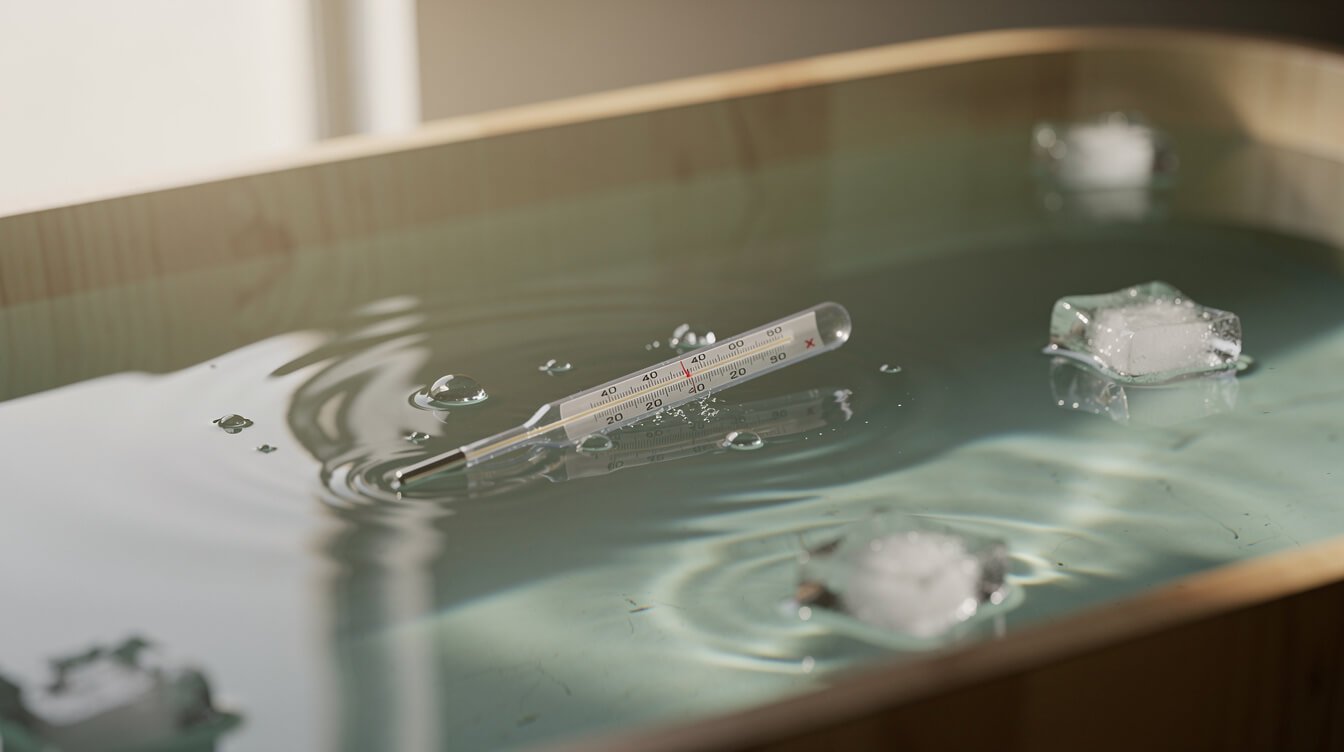
There’s no single official protocol, and researchers are still working out the ideal dose. But medical sources broadly agree on safe starting points. Colder and longer is not better. The goal is a manageable stress, not a test of willpower.
Recommended starting ranges
| Beginner | Experienced | |
|---|---|---|
| Water temperature | 50–59°F (10–15°C) | 45–55°F (7–13°C); avoid going below 40°F (4°C) |
| Time per session | 30 seconds to 2 minutes | 2–5 minutes (rarely longer) |
| Sessions per week | 1–2 | 2–4, or daily if well tolerated |
| Weekly total | Build gradually | About 11 minutes per week is a common target |
That “11 minutes per week” figure comes from the Søberg winter-swimming research and has become a popular rule of thumb. It isn’t a prescription, but it’s a helpful reminder that a few short sessions spread across the week are plenty for most people.
Step-by-step: your first cold plunge
- Check with your doctor first if you have any heart, blood pressure, or circulation concerns (see the safety section below).
- Measure the water. Use a simple floating thermometer. Tap water in a bathtub is often 55–65°F; add ice gradually to bring it down.
- Prepare your exit. Lay out a towel, warm clothes, and socks before you get in. Never plunge alone, especially outdoors.
- Enter slowly. Start with your feet and legs, then sit down gradually. Keep your head and face out of the water.
- Breathe through the gasp. Focus on slow, controlled exhales for the first minute. A longer exhale than inhale may help settle the cold shock response.
- Keep it short. Aim for 30 seconds to 1 minute the first time. Get out sooner if you feel dizzy, confused, or very uncomfortable.
- Rewarm gently. Dry off, dress warmly, and move around (light walking or air squats). Avoid jumping straight into a very hot shower, which can cause a sudden blood pressure drop.
- Build gradually. Add 15–30 seconds per session over several weeks rather than chasing colder temperatures.
Important: Never do breath-holding exercises or intense hyperventilation-style breathwork while in water. These can cause fainting, and fainting in water can be fatal.
Cold plunging at home: your options
- Cold shower: The easiest entry point. Finish your normal shower with 30–90 seconds of cold water, as in the Buijze trial.
- Bathtub with ice: Cheap and flexible. Two or three bags of ice will usually bring a cool bath into the 50s °F.
- Inflatable or barrel tubs: Affordable, but you’ll need lots of ice or cold weather.
- Chilled plunge tubs: Built-in chillers and filters keep the temperature steady. They can cost from a few thousand dollars up to around $20,000. Look for electrical safety certification, a reliable thermostat, easy filtration and sanitation, and a lid.
- Natural water: Lakes and the sea can be wonderful, but they add currents, uneven temperatures, and drowning risk. Go with a group, stay close to shore, and avoid moving water.
🎁 Get a Free Wellness Gift
Enter your name and email below to receive a special wellness gift from OlyLife — absolutely free!
Hot and Cold: Pairing a Cold Plunge with Sauna and Warmth
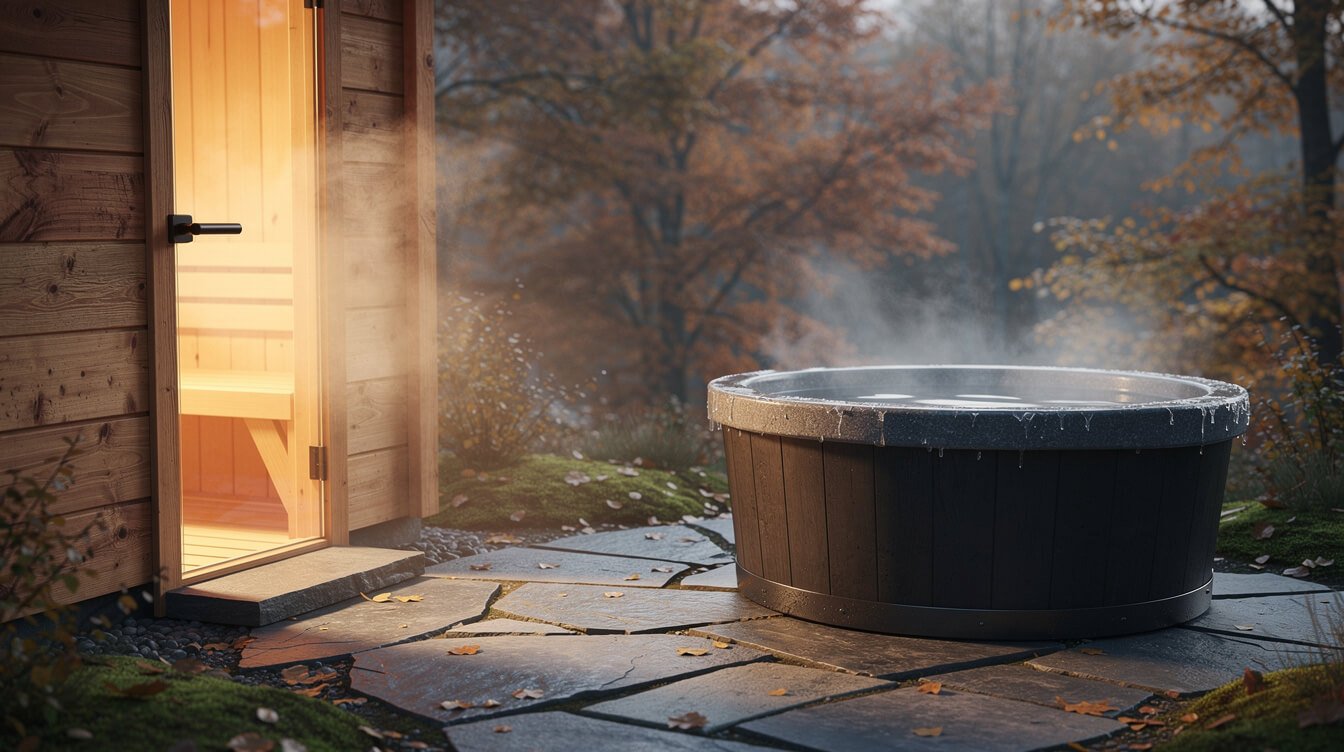
The Nordic tradition of moving between a hot sauna and a cold lake is centuries old, and it’s now popular as contrast therapy. Many people find the alternation deeply relaxing, and the winter-swimmer research mentioned above involved people who used both cold water and sauna regularly.
Heat and cold seem to work as complementary stresses. Sauna sessions are linked in observational research to cardiovascular benefits, while cold plunges bring that alert, refreshed feeling. If you’re new to heat, our guides to the benefits of infrared sauna and infrared vs. traditional saunas are a good place to start, and our infrared sauna blanket guide covers a budget-friendly home option.
A simple contrast routine
- Sauna or warm bath for 10–15 minutes.
- Short cool-down in the air for a minute, then a cold plunge or shower for 30 seconds to 2 minutes.
- Rest for a few minutes and drink water.
- Repeat two or three rounds. Many people like to end on cold for an energizing finish, or on warmth before bed.
Contrast therapy puts extra demands on your heart and blood vessels because they constrict and dilate rapidly. If you have a heart condition or low blood pressure, or you tend to feel faint, check with your doctor first, and skip alcohol entirely before heat or cold sessions.
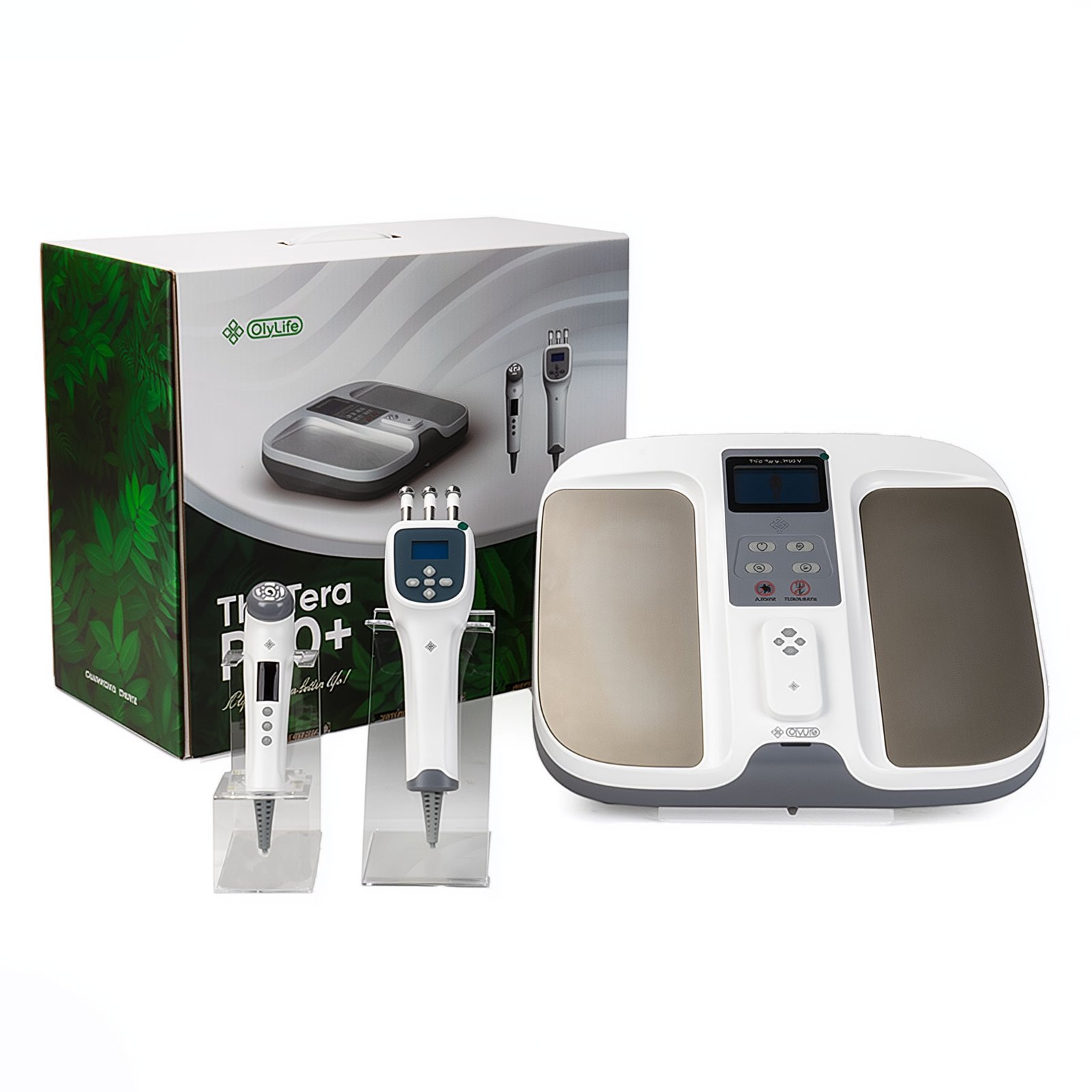
Rewarming after a plunge can be a lovely ritual in its own right. Some people like to follow their session with a few minutes of gentle, targeted warmth on the shoulders or lower back. That’s where a handheld device like the OlyLife Vitality Wand can fit in, as a relaxing self-care step, not a medical treatment. For recovery days between workouts, you might also enjoy our guide to infrared sauna for muscle recovery or how PEMF may support muscle and athletic recovery.
A Warm Ritual for Your Rest Days 🌿
Recovery isn’t only about the cold. The OlyLife THz Tera-P90+ combines PEMF and terahertz technology in a home wellness device many people use for calm, unhurried relaxation sessions on rest days. It’s a self-care companion, not a medical treatment.
Who Should Skip a Cold Plunge (or Check With a Doctor First)
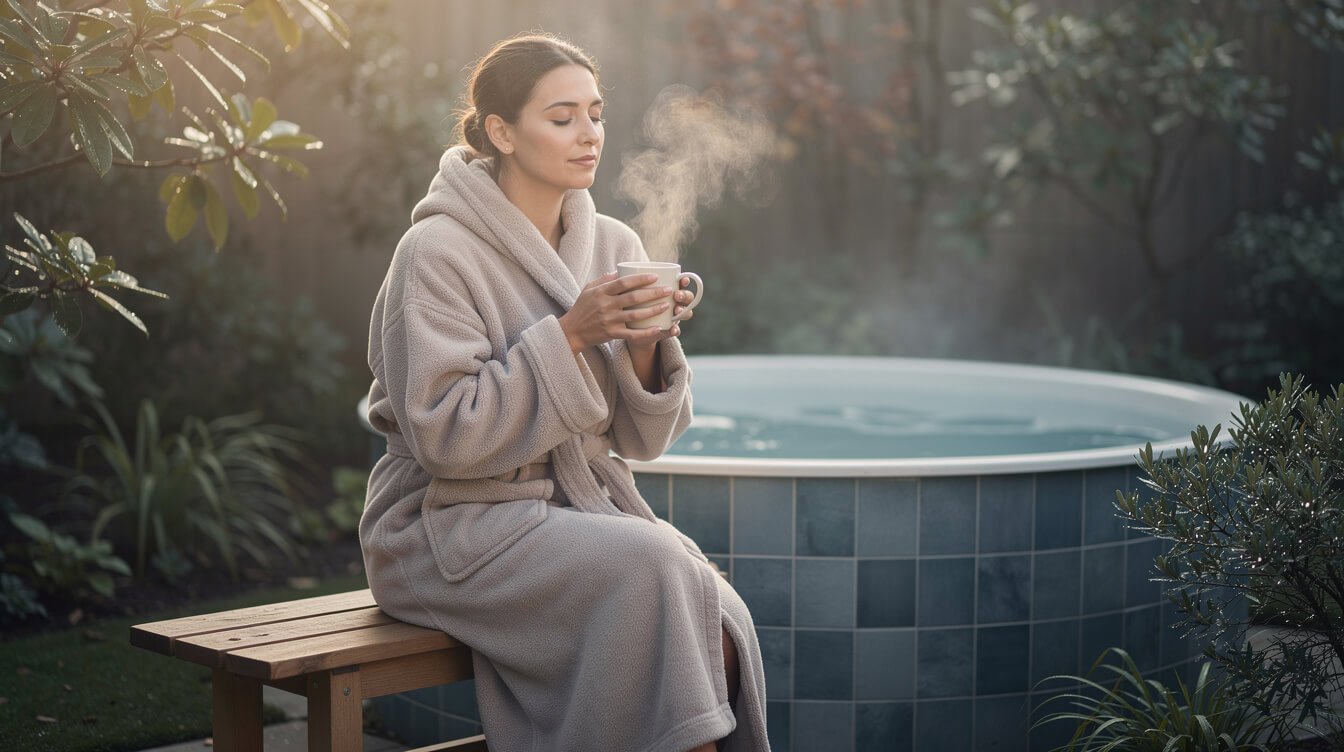
Cold plunges are generally considered low risk for healthy adults who follow sensible guidelines. But the cold shock response is a real strain on the heart and lungs, and it isn’t right for everyone. Harvard Health, Cleveland Clinic, and MD Anderson all advise talking to a healthcare provider first if any of these apply to you:
- Heart disease, a history of heart attack or stroke, or heart rhythm problems (arrhythmias)
- High blood pressure, especially if it isn’t well controlled
- Asthma or other breathing conditions, which cold can trigger
- Diabetes, peripheral neuropathy, or reduced sensation in your hands and feet
- Raynaud’s phenomenon, poor circulation, or venous problems
- Cold agglutinin disease or cold urticaria (hives triggered by cold)
- Pregnancy
- Epilepsy or a history of fainting
- Taking medications that affect heart rate, blood pressure, or temperature regulation
Warning signs to get out immediately
- Chest pain, pressure, or a pounding or irregular heartbeat
- Dizziness, confusion, or blurred vision
- Breathing you can’t bring under control after the first minute
- Uncontrollable shivering, slurred speech, or clumsiness (early signs of hypothermia)
- Skin that turns white, waxy, or numb and painful (risk of cold injury)
If you have chest pain, trouble breathing, or confusion that doesn’t resolve quickly, call 911 or your local emergency number.
Common-sense safety rules
- Never plunge alone, and never after drinking alcohol.
- Keep your head above water and stay where you can stand and exit easily.
- Avoid rivers, currents, and ice-covered water unless you’re with an experienced, supervised group.
- Don’t stay in “to prove a point.” Short, consistent sessions beat long, risky ones.
- Keep electrical chillers, cords, and outlets away from water, and follow the manufacturer’s instructions.
Benefits of Cold Plunge: Frequently Asked Questions
What are the main benefits of cold plunge sessions?
Research suggests cold plunges may ease post-exercise muscle soreness, lower stress in the hours afterward, increase alertness, and improve sleep quality for some people. Claims about weight loss, mood, and immunity have much weaker support.
How long should you stay in a cold plunge?
Beginners should start with 30 seconds to 2 minutes. Experienced users typically stay 2 to 5 minutes. Most medical sources advise against going beyond 5 minutes in very cold water at home.
What temperature should a cold plunge be?
A good beginner range is 50–59°F (10–15°C). Avoid going below about 40°F (4°C). Colder water doesn’t necessarily bring more benefits, but it does increase risk.
Is it better to cold plunge in the morning or at night?
Many people prefer mornings because of the alertness boost. Evening plunges suit some people, but a very cold plunge right before bed can feel stimulating. Experiment and notice how you sleep.
Is a cold shower as good as a cold plunge?
A cold shower is gentler and covers less of your body, so the effects are likely smaller. Still, it’s a safe, free way to get started, and the Buijze trial used cold showers of just 30 to 90 seconds.
Do cold plunges help you lose weight?
Not in any meaningful way on their own. Cold activates brown fat and raises energy use slightly, but a short plunge burns relatively few calories. Movement, nutrition, and sleep matter far more.
Should I cold plunge after lifting weights?
If building strength or muscle is your goal, wait at least four hours after lifting or plunge on rest days. Research shows plunging right after strength training can blunt long-term gains.
Can women cold plunge?
Yes. Most guidelines apply equally to everyone. Women may feel the cold more quickly because of differences in body size and composition, so start with shorter sessions. Skip cold plunges during pregnancy unless your doctor approves.
How often should I cold plunge?
Start with once or twice a week. Many regular users plunge two to four times a week, and some do short daily sessions. About 11 minutes of total cold exposure per week is a popular target.
Final Thoughts
The benefits of cold plunge practice are real, but they’re quieter than social media suggests. Research suggests a cold plunge may help you feel less sore, less stressed, more awake, and perhaps sleep a little better. It’s not a weight-loss tool or an immune shield, and timing matters if you’re training for strength.
If you’d like to try it, start small: a 30-second cold shower finish, or a minute in a 55°F tub with a friend nearby. Breathe slowly, get out before you feel you have to, and warm up gently. Pay attention to how you feel over a few weeks, and let that guide you more than anyone’s ice-bath video.
Above all, think of cold water as one gentle tool among many, alongside sleep, movement, nourishing food, and connection. For more on easy ways to support your recovery, explore our guides to natural therapy for pain and our short cold water therapy FAQ. Here’s to feeling refreshed, one brave breath at a time. ✨
This article is for educational purposes only and is not medical advice. Cold-water immersion is not intended to diagnose, treat, cure, or prevent any disease. Talk to a qualified healthcare provider before starting cold therapy if you are pregnant, have a health condition, or take regular medication.