Wellness Gifts: Thoughtful Ideas for Every Health-Conscious Person (2026 Guide)
Shopping for wellness gifts can feel tricky. The person you love already has a yoga mat, already drinks green tea, and probably already owns three water bottles. So what do you give someone who seems to have their health routine figured out? The answer is simpler than most gift guides make it look: the best wellness gifts don’t add a new habit to someone’s life. They make a habit they already love a little easier, a little more pleasant, or a little more likely to happen on a busy day.
This guide is built around that idea. Instead of one long product list, you’ll find wellness gift ideas grouped by the kind of person you’re shopping for: the sleeper, the mover, the kitchen nourisher, the mindful one, the outdoor lover, and the at-home wellness tech fan. We’ll look at what habit research says about gifts that actually get used, give you price ranges for every budget, show you how to build a basket with no filler, and cover the safety checks most lists skip. If you’re shopping for someone who mostly needs rest and pampering, our companion guide to self care gifts by budget and need is a great place to start too. 🌿
What Makes Wellness Gifts Different (and Why Most Miss the Mark)

Self care gifts are usually about rest and comfort: a robe, a bath soak, a quiet afternoon. Wellness gifts overlap with those, but they lean toward routines. They support the daily things a health-conscious person does on purpose, like walking, sleeping well, cooking from scratch, stretching, or spending time outdoors.
That difference matters, because routines run on habits. And habit research has a lot to say about which gifts end up used and which end up in the closet.
Habits take longer to form than most people think
In a well-known study published in the European Journal of Social Psychology, Phillippa Lally and colleagues followed 96 volunteers as they tried to build a new daily habit, such as drinking water with lunch or going for a short run. On average it took about 66 days for the new behavior to feel automatic, with a huge range between people (from 18 to 254 days). The encouraging part: missing a single day didn’t derail the process.
For gift-givers, the takeaway is practical. A gift that requires someone to start a brand-new routine from scratch is asking a lot. A gift that slots into a routine they already have gets a head start.
Piggyback on what they already do
A 2012 review in the British Journal of General Practice by Benjamin Gardner, Phillippa Lally and Jane Wardle described habits as behaviors repeated in a consistent context, triggered by a cue. Attaching a new action to an existing cue (“after I pour my morning coffee, I…”) is one of the most reliable ways to make it stick.
So before you buy, ask yourself one question: “When and where would they use this?” If you can picture the exact moment (on the evening walk, at the kitchen counter at 7 a.m., on the couch before bed), you’re probably on the right track.
A quick three-question filter
- Does it match a habit they already have? A runner gets more from great socks than from a meditation course they never asked for.
- Is it an upgrade, not a duplicate? Look for the item they use daily that’s worn out, cheap, or annoying.
- Would they buy it for themselves? Research on gift-giving suggests people appreciate gifts they’ve actually asked for more than surprises, so listen for hints.
Wellness Gifts for the Sleep-Focused Person
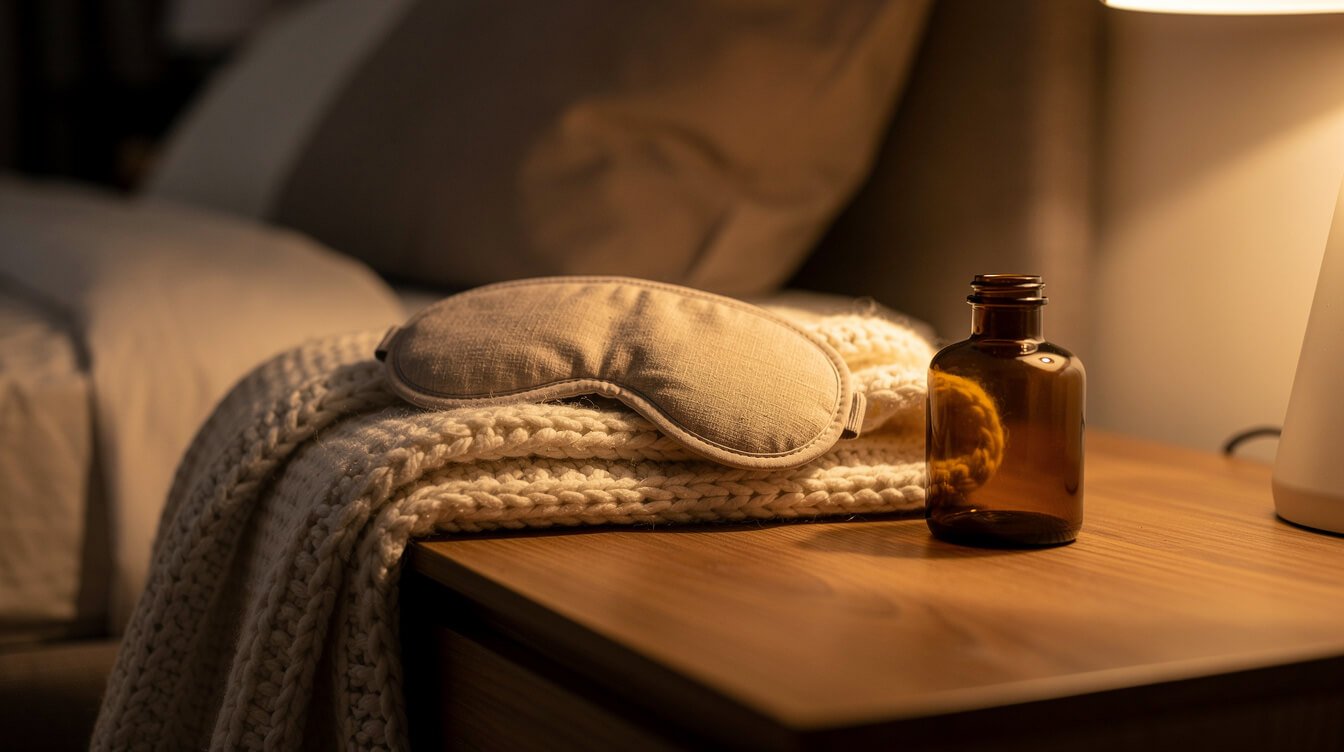
For many health-conscious people, sleep is the routine they protect most fiercely, and the one they’d most like to improve. Sleep gifts are also some of the easiest to use, because bedtime happens every night whether you plan for it or not.
Ideas by budget
- Under $30: a contoured blackout sleep mask, a box of caffeine-free herbal tea (chamomile, lemon balm, or rooibos), a pair of soft bed socks, or a small notebook for a bedtime “brain dump.”
- $30 to $100: a linen or bamboo pillowcase set, a warm-toned bedside lamp or dimmable bulb, a white noise machine, or a bath ritual kit with Epsom salts and a timer.
- $100 and up: a weighted blanket, a sunrise alarm clock for darker mornings, or an upgrade to their pillow after a proper fitting.
What the research suggests
A few sleep gifts have real research behind the idea. A 2019 meta-analysis in Sleep Medicine Reviews by Shahab Haghayegh and colleagues found that a warm bath or shower (around 40 to 42.5 °C, or 104 to 108.5 °F) taken one to two hours before bed was associated with falling asleep faster and better self-rated sleep quality. That makes a bath ritual kit more than a nice gesture.
Weighted blankets have some support too. A 2020 randomized trial in the Journal of Clinical Sleep Medicine (Ekholm and colleagues, 120 adults with insomnia alongside psychiatric conditions) found that people using a weighted chain blanket reported less insomnia severity than those using a light control blanket. It’s one study in a specific group, so think of a weighted blanket as a comfort item that may support relaxation, not a sleep cure.
Gift tip: add a handwritten “bedtime routine” card with your gift. For more ideas to include, our guide on how to improve sleep quality naturally covers light, temperature, timing, and wind-down habits. For screen-weary eyes, a gentle heated eye mask can also be a lovely add-on; our eye massager guide covers what to look for and who should skip one.
Gifts for Movers, Walkers and Recovery Lovers
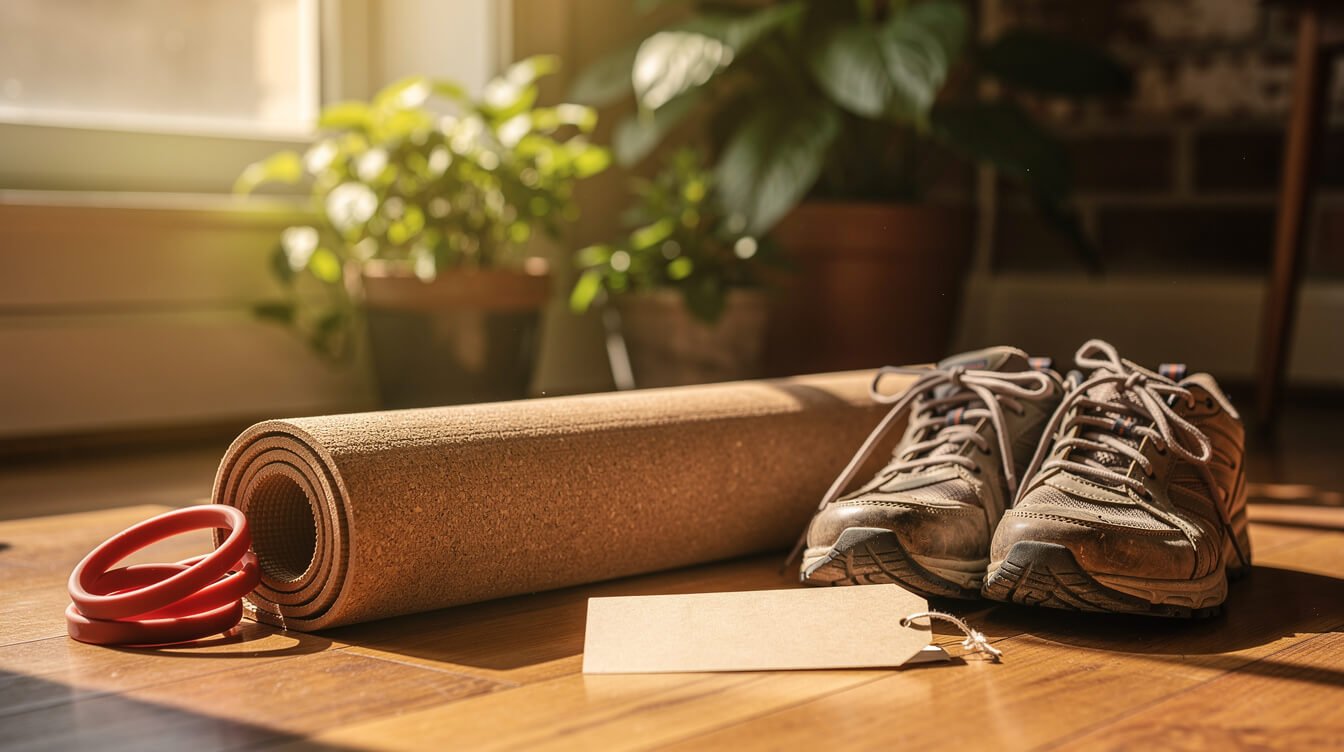
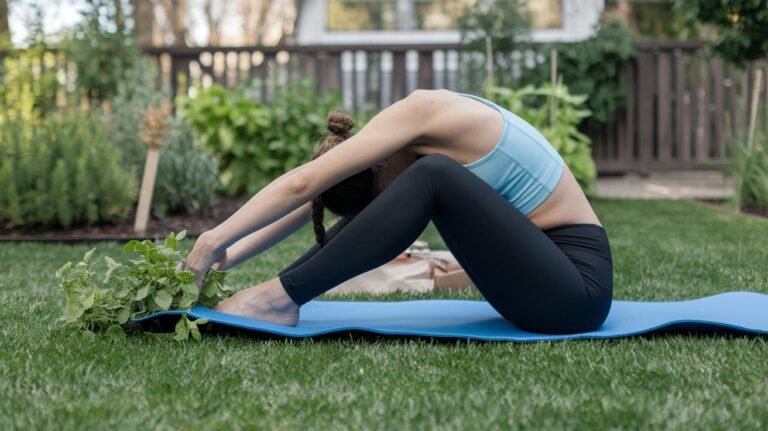
If your person walks every morning, never misses a yoga class, or is training for a 10K, movement gifts are a natural fit. The trick is to support the movement they already enjoy, plus the recovery that keeps them doing it.
Ideas by budget
- Under $30: merino or cushioned running socks, a set of resistance bands, a massage ball or peanut ball for tight shoulders, a reflective vest or clip light for winter walks.
- $30 to $100: a non-slip cork yoga mat, a foam roller, an acupressure mat, an insulated walking bottle, or a class pass at their favorite studio.
- $100 and up: a proper gait-fitted pair of walking or running shoes (a gift card to a specialty store works well here), a wearable activity tracker, or an infrared sauna blanket for post-workout warmth.
Why walking gifts are underrated
Walking may be the most universally useful wellness habit there is. A 2022 meta-analysis in The Lancet Public Health by Amanda Paluch and colleagues pooled 15 international studies of more than 47,000 adults. Taking more daily steps was linked with lower risk of death from any cause, with benefits leveling off at roughly 6,000 to 8,000 steps a day for adults 60 and older, and about 8,000 to 10,000 steps for younger adults. Anything that makes a daily walk more comfortable (great socks, a warm hat, a podcast subscription, a reflective jacket) supports one of the best-studied habits we have.
Do activity trackers actually help?
For many people, yes. A 2022 umbrella review in The Lancet Digital Health by Ty Ferguson and colleagues looked across 39 systematic reviews and found that wearable activity trackers were associated with an increase of about 1,800 steps per day on average. They work best for people who like data and goals. For someone who finds numbers stressful, a tracker can feel like homework, so know your person.
Recovery gifts
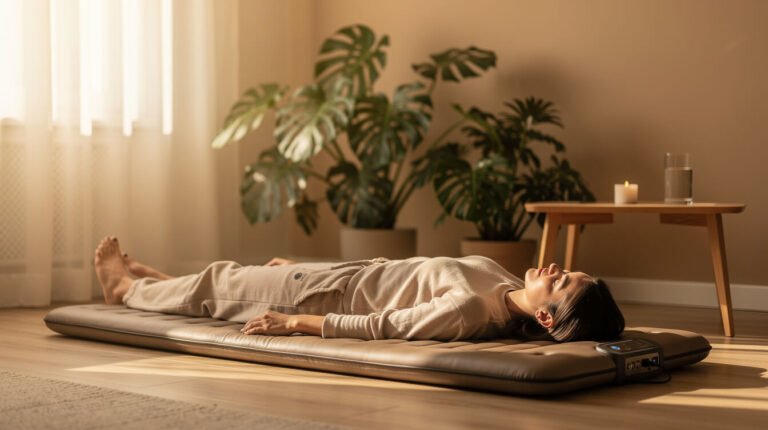
Recovery is where many active people cut corners, which makes it a thoughtful gift category. An acupressure mat or an infrared heating mat can make post-workout downtime feel like a ritual. If they’re curious about cold exposure, our guide to the benefits of cold plunging explains how to start safely before you buy any gear.
Hydration and Nourishment Gifts for the Kitchen Wellness Lover
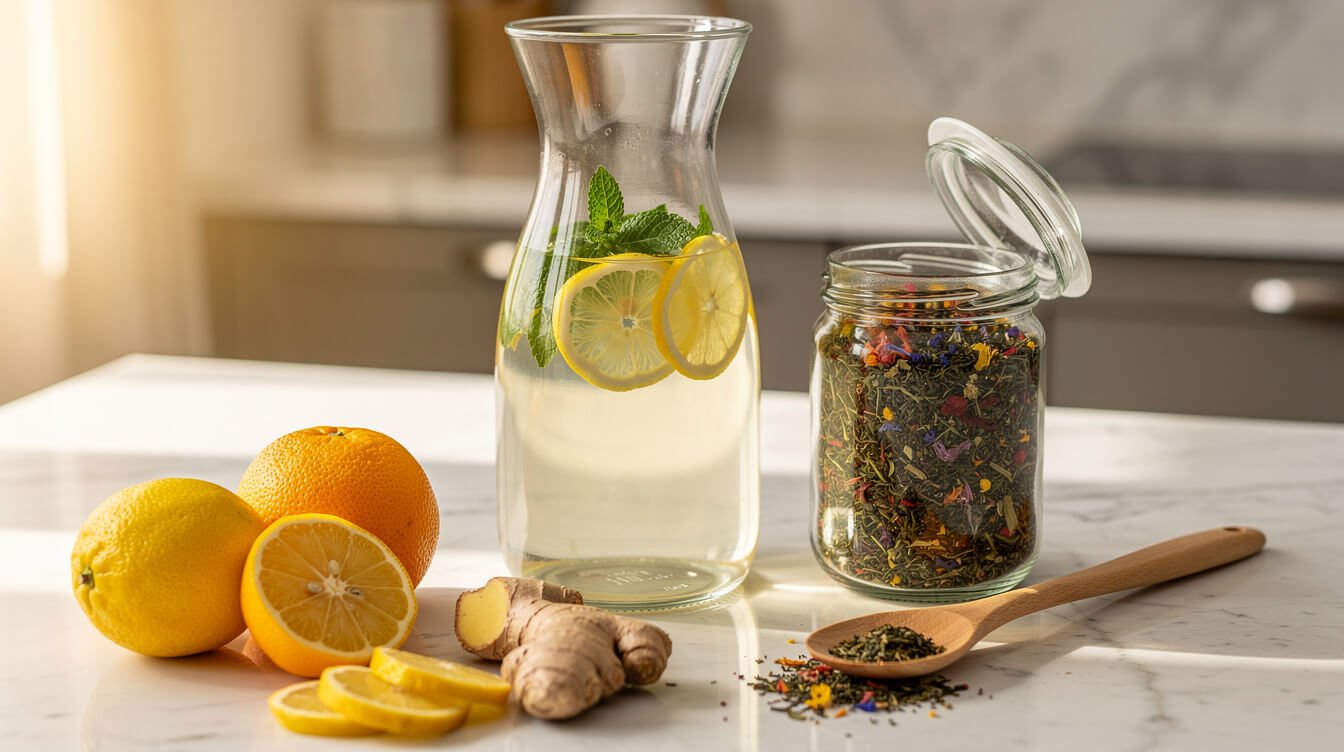
Some people show their wellness in the kitchen: green smoothies, homemade broth, a tea drawer that could stock a café. For them, the best wellness gifts make nourishing food and drink easier to prepare and more enjoyable to have.
Ideas by budget
- Under $30: a loose-leaf herbal tea sampler with a glass infuser, a fermentation starter kit (for sauerkraut or kombucha), a cookbook focused on whole foods, or a set of spice blends.
- $30 to $100: a glass water carafe or fruit-infuser bottle, a quality blender bottle, a stainless steel insulated bottle, or a citrus juicer.
- $100 and up: a high-speed blender, a countertop water filter, a sprouting kit with seeds for a year, or a premium hydration bottle.
Hydration gifts that encourage the habit
Water does a lot of quiet work in the body. A 2010 review in Nutrition Reviews by Barry Popkin, Kristen D’Anci and Irwin Rosenberg summarized evidence that even mild dehydration may affect mood, energy, and concentration. Many of us simply forget to drink enough, especially in cooler months when we don’t feel thirsty.
A good bottle helps because it becomes a visual cue that’s always within reach, exactly the kind of habit trigger the research describes. For the person who is genuinely into hydration, a hydrogen water bottle can be a fun upgrade. Our H+ Molecular Hydrogen Infusing Water Bottle is a favorite with hydration lovers who enjoy a daily ritual. If they’re new to the idea, our guide to the best hydrogen water bottle explains what to look for, and our honest look at hydrogen water side effects covers who should be careful.
Food gifts with a purpose
For the cook in your life, think in “kits” rather than single items: a soup night kit (a good ladle, dried beans, herbs, a recipe card) or a breakfast kit (oats, nuts, seeds, a jar for overnight oats). If you want inspiration for what to include, our guide to foods that build immune system support lists colorful, nutrient-rich staples that make great pantry gifts during cold and flu season.
Mindful Wellness Gifts for a Calmer Mind
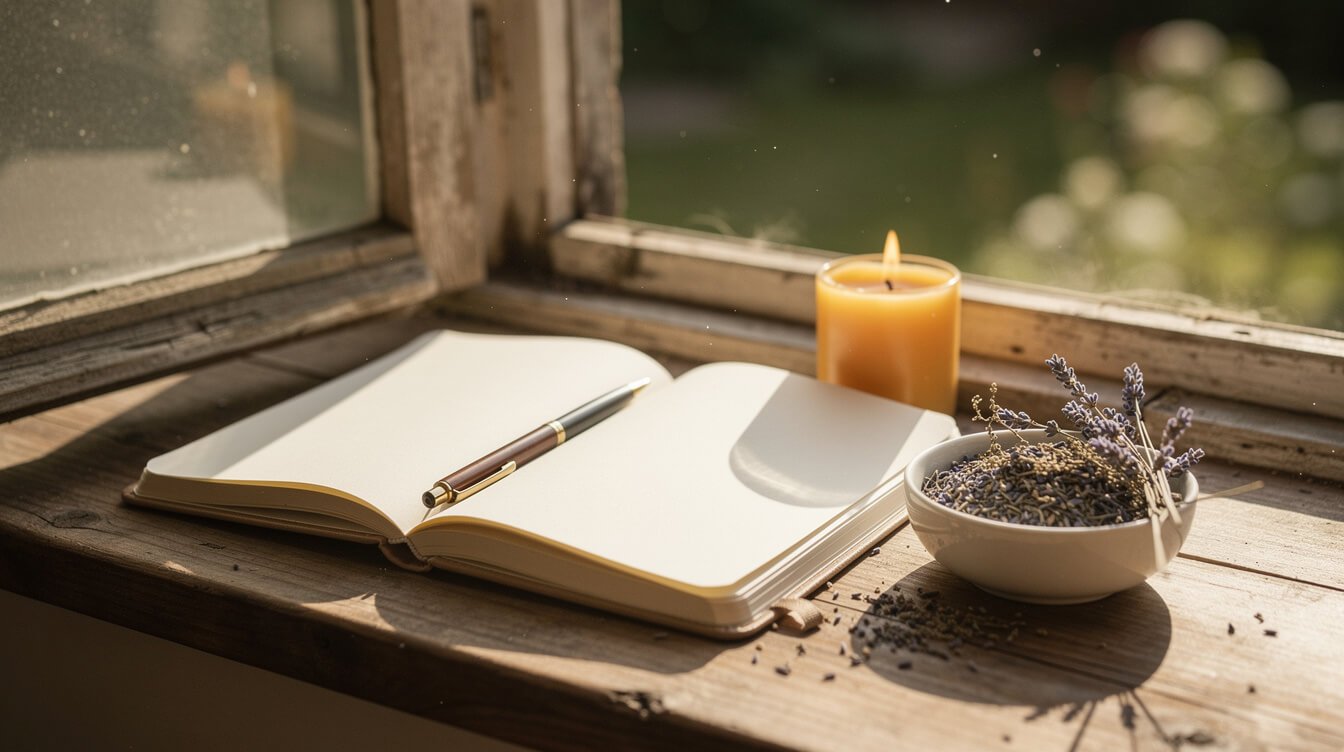
Mental wellbeing is part of wellness, and the holiday season is often when people feel most stretched. Mindful gifts work best when they’re small, low-pressure, and easy to start in five minutes.
Ideas by budget
- Under $30: a guided gratitude journal, a beeswax or soy candle for an evening ritual, a deck of breathing or reflection prompts, or a book on mindfulness for beginners.
- $30 to $100: a year of a meditation or yoga app, a meditation cushion, a sound bowl, or an essential oil diffuser with a starter set.
- $100 and up: a weekend retreat day, a series of yoga or tai chi classes, or a light therapy lamp for someone who finds dark winter mornings hard.
The case for a gratitude journal
It may look like a simple notebook, but gratitude practice has a long research history. In a 2003 study in the Journal of Personality and Social Psychology, Robert Emmons and Michael McCullough asked participants to write down things they were grateful for each week. Compared with groups who listed hassles or neutral events, the gratitude group reported feeling more optimistic about the coming week and better about their lives overall. A prompted journal lowers the barrier: no blank page, just one small question a day.
For more practical calm-down tools to include on a card with your gift, our guide to stress relief relaxation techniques covers breathing, progressive muscle relaxation, and simple grounding exercises.
A gentle note: if someone close to you is going through ongoing anxiety or low mood, a gift is a kind gesture, but it isn’t a substitute for support. Sometimes the most caring gift is your time, a listening ear, and gentle encouragement to talk to a professional.
🎁 Get a Free Wellness Gift
Enter your name and email below to receive a special wellness gift from OlyLife — absolutely free!
Outdoor and Experience Wellness Gifts That Give Time

Some of the most meaningful wellness gifts aren’t things at all. Experiences create memories, and many of the best ones happen outside.
Why nature time is worth gifting
A 2019 study in Scientific Reports by Mathew White and colleagues looked at nearly 20,000 people in England and found that those who spent at least 120 minutes a week in nature were significantly more likely to report good health and high wellbeing than those who spent no time outdoors. It didn’t seem to matter whether those two hours came in one long visit or several shorter ones.
Experience ideas
- Free: a handwritten “monthly walk together” voucher, a homemade map of local trails with a thermos of tea, or a promise to cover chores so they can get outside.
- Under $50: a state or national park pass, a guided forest-bathing or birdwatching walk, a beginner foraging class, or a trail guidebook.
- $50 to $150: a hot spring or sauna day, a horseback ride, a paddleboard lesson, or a cooking class focused on seasonal produce.
- Bigger splurges: a wellness retreat weekend, a hiking trip, or a family membership to a botanical garden.
Experience gifts are especially good for the person who “has everything.” They also double as quality time, which is often what people want most during the holidays.
At-Home Wellness Tech: How to Gift It Wisely
Wellness technology is one of the fastest-growing gift categories, from sunrise alarms and smart rings to massage tools, red light panels, and home PEMF and terahertz devices. These can be wonderful gifts for the right person. They can also be expensive mistakes, so a little homework goes a long way.
Five questions before you buy any wellness device
- Did they ask for it? Big-ticket devices are the category where a requested gift matters most. If you’re unsure, a gift card or a “let’s pick it together” note avoids guesswork.
- Is the marketing realistic? Be wary of products that promise to cure, treat, or “melt” anything. Trustworthy brands use careful language like “may support relaxation” and explain how to use the product safely.
- Is there a clear safety section? Look for contraindications listed in plain language. Many electronic wellness devices aren’t suitable for people with pacemakers or implanted electronics, during pregnancy, or over broken skin.
- What’s the return and warranty policy? Check before you buy, especially for higher-priced items, so the recipient isn’t stuck with something that doesn’t suit them.
- Will it fit a routine? The device that lives next to the couch and gets used during evening TV is the one that gets used at all.
If your person is already curious about frequency wellness, our explainer on PEMF therapy and our honest OlyLife Tera-P90 overview are helpful reads before buying.
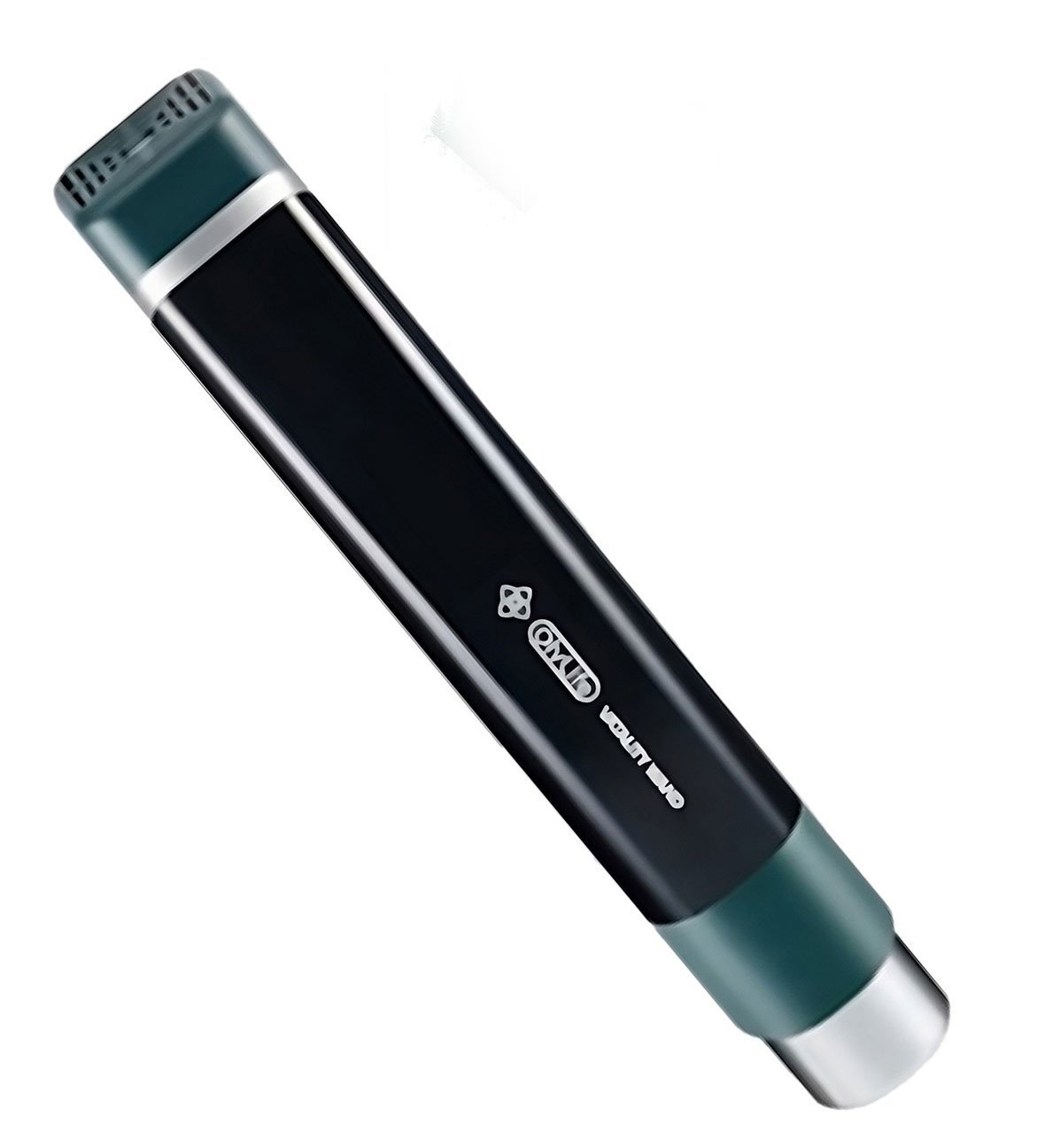
A Wellness Gift for the Home Ritual Lover ✨
For the person who loves an evening wind-down, the OlyLife Vitality Wand is a handheld terahertz and PEMF wellness device designed for soothing, relaxing sessions on tired shoulders, back and legs. It’s a relaxation companion, not a medical treatment, and it makes the most sense as a requested gift for someone who’s already curious about frequency wellness.
How to Build a Wellness Gift Basket by Personality
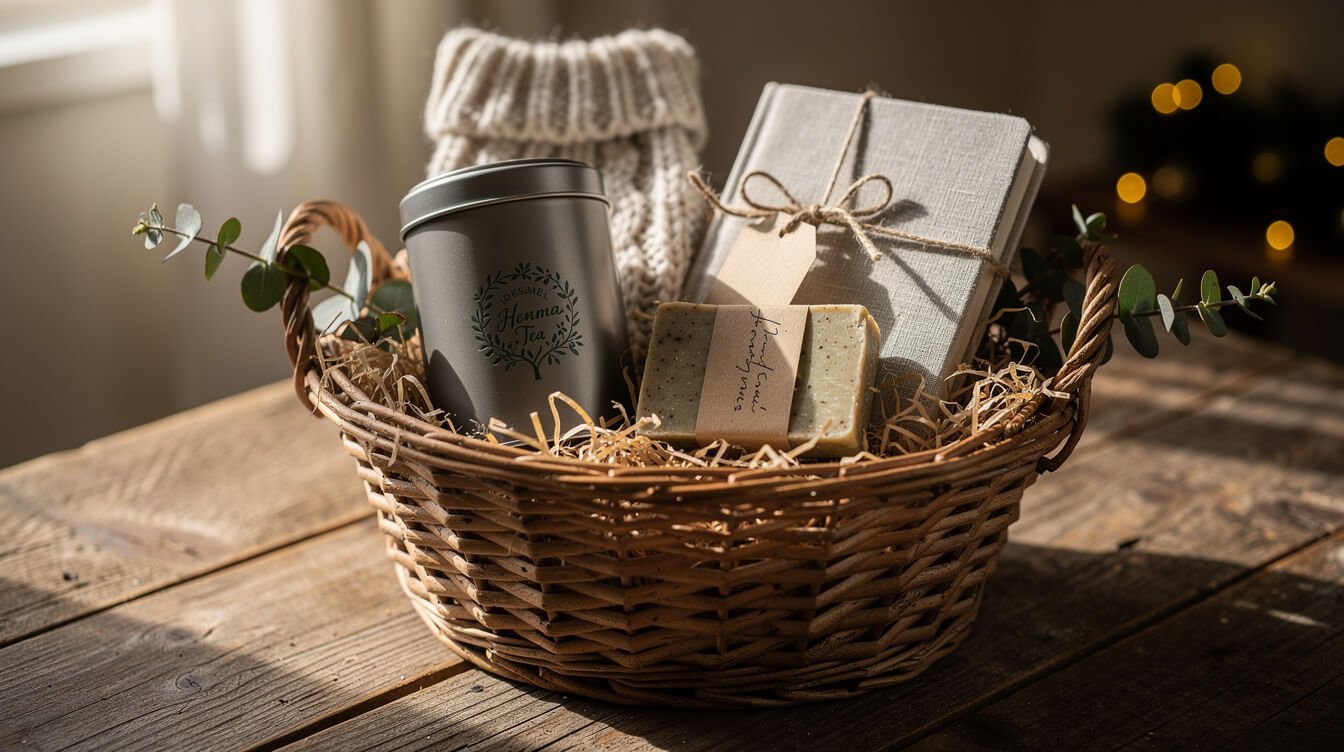
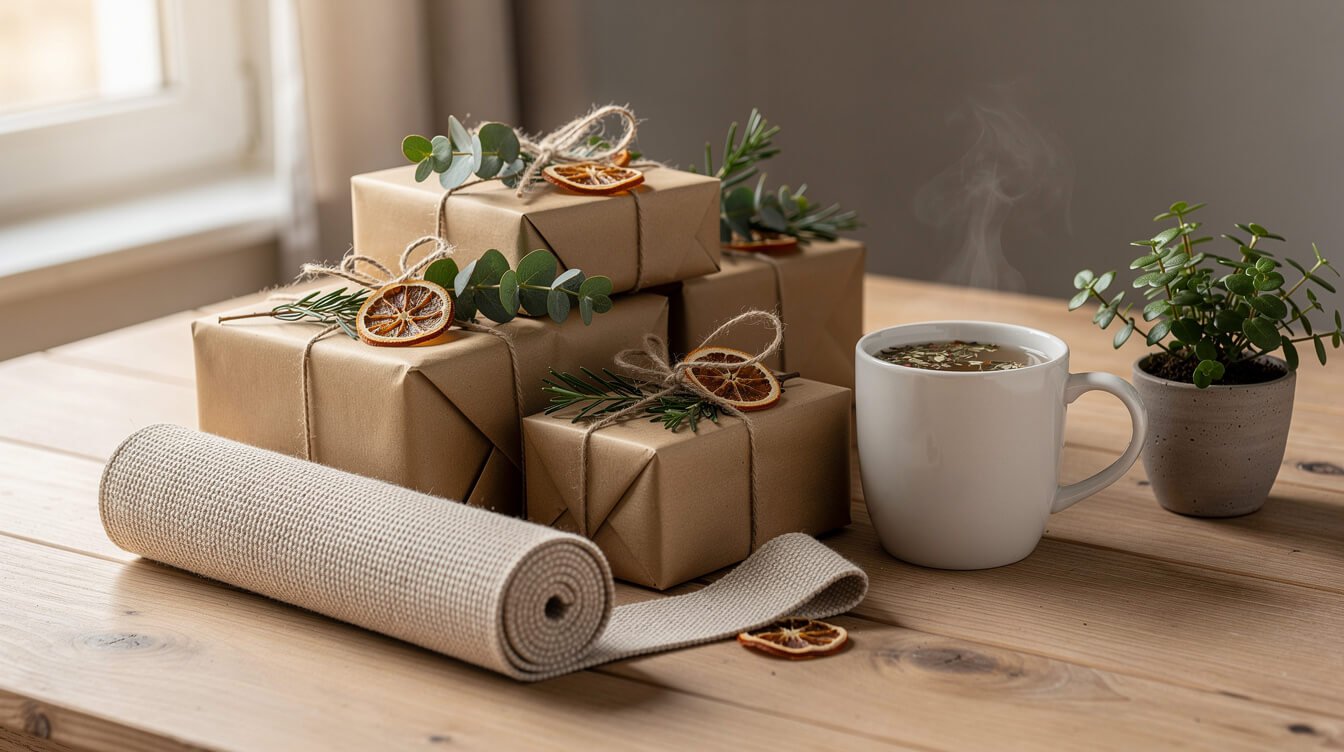
A wellness gift basket can be wonderful or forgettable. The difference is focus. Instead of filling a basket with random “healthy” items, build it around one routine and include only things that support it.
The four-part formula
- One anchor item: the main gift that makes the routine better (a sleep mask, a water bottle, walking socks).
- One or two supporting items: things used during the routine (a tea, a bath soak, a snack).
- One comfort touch: something that makes it feel special (a candle, a soft cloth, a beautiful mug).
- A handwritten note: explain how and when to use it. This small step turns a basket into a ritual.
Basket ideas by wellness personality
| Wellness personality | Anchor item | Supporting items | Comfort touch | Approx. budget |
|---|---|---|---|---|
| The Sleeper | Contoured sleep mask | Chamomile tea, Epsom salts | Bed socks | $40–$60 |
| The Walker | Merino walking socks | Reflective clip light, trail mix | Insulated travel mug | $50–$80 |
| The Recovery Lover | Massage ball set | Magnesium bath flakes, stretching cards | Soft towel | $40–$70 |
| The Kitchen Nourisher | Glass infuser carafe | Loose-leaf tea sampler, spice blend | Handmade mug | $45–$75 |
| The Mindful One | Gratitude journal | Breathing prompt cards, herbal tea | Beeswax candle | $35–$60 |
| The Outdoor Lover | Park pass or trail guide | Thermos, hand warmers | Wool beanie | $60–$100 |
Skip the filler: mini bath bombs, novelty “detox” teas with bold promises, and generic scented items rarely get used by people who already take wellness seriously. Fewer, better items always win.
Wellness Gift Safety Checks Before You Wrap
Most wellness gift guides skip this part, but a quick safety check shows real care for the person you’re giving to.
- Supplements and herbal products: many herbs interact with medications (for example, St. John’s wort with many prescriptions, or ginkgo and turmeric with blood thinners). Unless you know their routine well, choose a non-supplement gift.
- Essential oils: some oils can irritate skin or airways, and several are unsafe around cats and dogs. Choose a diffuser with gentle, widely tolerated oils and include dilution instructions for topical use.
- Heat and cold products: heating pads, sauna blankets and cold plunge gear aren’t right for everyone. People who are pregnant, have heart or circulation conditions, diabetes-related nerve changes, or reduced sensation should check with a healthcare provider first.
- Electronic wellness devices: read the contraindications. Many aren’t suitable for people with pacemakers or other implanted devices, or during pregnancy.
- Food allergies: double-check before including nuts, seeds, gluten, or dairy in edible gifts.
- Fitness gifts: for someone returning to exercise after an injury or illness, a class with a qualified instructor is often a better gift than equipment.
Frequently Asked Questions About Wellness Gifts
What is considered a wellness gift?
A wellness gift is anything that supports a healthy daily routine: better sleep, movement, nourishing food and drink, a calmer mind, or time outdoors. The best ones fit a habit the person already has, so they’re used often instead of saved for “someday.”
What are good wellness gifts under $50?
Some favorites: merino walking socks, a guided gratitude journal, a loose-leaf herbal tea sampler with an infuser, a massage ball set, a contoured sleep mask, resistance bands, a state park pass, or a single class at a yoga or pilates studio.
What’s the difference between wellness gifts and self care gifts?
There’s a lot of overlap. Self care gifts focus on rest and pampering, like bath rituals, robes and quiet time. Wellness gifts lean toward healthy routines: movement, sleep, hydration, nutrition and mindfulness. Our guide to self care gifts covers the rest-and-comfort side in depth.
What do you buy a health-conscious person who has everything?
Try an experience (a retreat day, a hot spring visit, a cooking class), a premium upgrade to something they use daily (better shoes, a better pillow, a better water bottle), or your time, like a standing monthly walk together. Consumables they love, such as a favorite tea, also go over well.
Are wellness gifts good for men?
Absolutely. Popular options include recovery tools, quality socks and shoes, an insulated water bottle, a sauna or hot spring day, a cookbook, an activity tracker, or a guided hike. Wellness is for everyone, and the right gift depends on the person’s routines rather than gender.
Are wellness gifts for corporate teams a good idea?
They can be, as long as they’re inclusive. Choose universal items like a quality water bottle, a tea sampler, a desk plant, or a meditation app subscription. Avoid anything that hints at weight, appearance, or diet, and steer clear of supplements.
Is it okay to give a gift card as a wellness gift?
Yes. A gift card to a local yoga studio, a specialty running store, or a spa lets the person choose what suits them, which research suggests people often appreciate more than a well-meant guess. Add a note about why you chose it to keep it personal.
Final Thoughts: The Best Wellness Gifts Fit Real Life
The most thoughtful wellness gifts aren’t the trendiest or the most expensive. They’re the ones that quietly fit into someone’s real day: the socks on the morning walk, the tea at 9 p.m., the journal on the nightstand, the trail they explore with you on a Sunday. Start by noticing the habits your person already loves, then choose something that makes those habits easier or more enjoyable.
Whether you’re spending $15 or $500, a handwritten note explaining when and how to use your gift makes all the difference. It turns an object into a ritual and a ritual into a small, daily reminder that someone cares about their wellbeing. Happy gifting, and don’t forget to save a little of that care for yourself. ✨
This article is for educational purposes only and is not a substitute for professional medical advice. Product mentions are general ideas, not personal recommendations. If the person you’re shopping for has a health condition, is pregnant, or takes medication, a quick check with their healthcare provider before giving supplements, heat or cold products, or electronic wellness devices is always wise.