Winter Blues: How to Lift Your Mood When the Days Get Short
The clocks change, the sun sets before dinner, and suddenly getting off the couch feels like a negotiation. If you notice your mood, energy and motivation dipping as the days get shorter, you’re far from alone. The winter blues are one of the most common seasonal experiences there is. In one classic survey of adults in Maryland, 92% said they noticed some seasonal change in their mood or behavior, and about a quarter said those changes were a real problem for them.
The good news: the winter blues tend to respond well to small, consistent daily habits, especially ones built around light, movement, connection, food and sleep. In this guide you’ll learn what the winter blues are (and how they differ from seasonal affective disorder), why short days affect so many of us, the research behind the most helpful habits, and a simple 7-day reset plan you can start this week. You’ll also find a clear list of signs that it’s time to talk to a professional. 🌿
What Are the Winter Blues?
“Winter blues” isn’t a medical diagnosis. It’s an everyday name for the mild, seasonal low mood many people feel in late fall and winter. It often looks like:
- Feeling a bit flat, gloomy or less like yourself
- Lower energy and a pull toward the couch or bed
- Wanting to sleep longer, or finding it harder to get up in the dark
- Craving comfort foods, especially sweets and starchy carbs
- Less motivation to see people or do the things you usually enjoy
- Trouble concentrating on gray afternoons
The key word is mild. With the winter blues, you can still work, care for your family, laugh with friends and enjoy the good parts of the season, even if everything takes a little more effort. Symptoms usually ease on their own as spring arrives.
Researchers have long seen seasonality as a spectrum. The Maryland survey mentioned above, published in the Archives of General Psychiatry in 1989 by Siegfried Kasper and colleagues at the National Institute of Mental Health, concluded that seasonal affective disorder sits at “the extreme end of the spectrum of seasonality that affects a large percentage of the general population.” In other words, most of us feel the seasons to some degree. Some people barely notice, many feel the winter blues, and a smaller group experiences a clinical depression with a seasonal pattern.
Where you live matters too. A 1990 study in Psychiatry Research compared four US locations, from Sarasota, Florida, to Nashua, New Hampshire, and found that both winter seasonal affective disorder and milder “subsyndromal” winter symptoms were more common at the more northern latitudes. Fewer daylight hours, more seasonal dip.
Winter Blues vs. Seasonal Affective Disorder: How to Tell the Difference

Seasonal affective disorder (SAD) was first described in detail by Norman Rosenthal and colleagues in 1984. Today it’s recognized as major depression with a seasonal pattern, and the American Psychiatric Association estimates that about 5% of US adults experience it. It’s a real medical condition that deserves real care, not something to “tough out.”
Only a qualified healthcare professional can diagnose SAD. Still, it helps to know the general differences so you can tell when the winter blues might be something more:
| Winter blues | Seasonal affective disorder (SAD) | |
|---|---|---|
| Mood | Mildly low, flat or “meh” | Persistent sadness or emptiness most of the day, nearly every day |
| Daily life | You still function, even if it takes more effort | Work, relationships or self-care are noticeably affected |
| Interest and joy | Still enjoy things once you get going | Loss of interest in activities you used to love |
| Sleep and appetite | Somewhat sleepier, more cravings | Marked oversleeping, strong cravings, weight changes |
| Thoughts | Occasional gloomy days | Hopelessness, worthlessness, or thoughts of death or self-harm |
| Duration | Comes and goes, eases with good days | Lasts two weeks or more and recurs most winters |
| What helps | Daily light, movement, connection and routine | Professional care (such as light therapy, talk therapy or medication), plus the same healthy habits |
If the right-hand column sounds more like you, please don’t wait for spring. Talk to your doctor or a mental health professional. And if you ever have thoughts of harming yourself, call or text 988 (the Suicide & Crisis Lifeline in the US) right away. You’ll find more on getting support near the end of this guide.
Why the Winter Blues Happen: Light, Your Body Clock and the Clock Change

Scientists are still working out exactly why short days affect mood, but a few connected ideas have strong support.
1. Less light reaching your brain
Light is the main signal that keeps your internal clock in sync with the outside world. In winter, many of us commute in the dark and spend daylight hours indoors, where typical lighting is far dimmer than daylight. Even an overcast winter morning outdoors is usually many times brighter than a well-lit office.
Light also seems to touch mood chemistry. In a 2002 study published in The Lancet, researchers in Melbourne sampled blood draining directly from the brains of 101 healthy men. Brain serotonin turnover was lowest in winter, and the rate of serotonin production rose with the number of hours of bright sunlight on the day of sampling. Serotonin is one of the messengers involved in mood, which may help explain why sunny days can feel so different from gray ones.
2. A body clock that drifts later
Your circadian rhythm (your roughly 24-hour body clock) guides when you feel alert, when you feel sleepy, and when your body releases melatonin, the hormone that signals night. Without enough bright light in the morning, that clock tends to drift later. A 2013 study in Current Biology found that people living with electric lighting had later internal clocks than they did after a week of camping with only natural light. When they camped, their internal “night” lined up with sunset and sunrise. In winter, a drifting clock can leave you groggy in the morning and wired at night, which is a recipe for a low mood.
3. The clock change itself
In the US, daylight saving time ends this Sunday, November 1, 2026, and sunset suddenly jumps an hour earlier. A large Danish study published in Epidemiology in 2017 analyzed more than 185,000 hospital contacts for depression and found that the switch from summer time to standard time was linked to an 11% rise in new depressive episode diagnoses, an effect that faded over about 10 weeks. The researchers suggested that the abrupt arrival of dark evenings, marking the start of a long stretch of short days, may play a role. This week is a smart time to set up your winter routine before the dark evenings settle in.
4. Hibernation habits
Cold, dark weather nudges us to stay in, move less, see people less and reach for comfort food. Each of these makes sense in the moment, but together they can deepen a low mood. The upside is that these habits are also the easiest things to change, and that’s where the rest of this guide focuses.
Light First: Morning Daylight for the Winter Blues

If you only change one thing this winter, make it your morning light. It’s free, it works with your biology, and research suggests it may matter more than people expect.
What the research suggests
In a small but often-cited Swiss study published in the Journal of Affective Disorders in 1996, people with seasonal affective disorder took a one-hour walk outdoors every morning for a week, in winter. Half of them improved enough to count as remission on a standard depression scale, compared with a quarter of those who sat in front of dim artificial light. The morning walks also shifted the timing of melatonin earlier, suggesting the body clock was getting a stronger “it’s morning” signal. Even winter daylight, it turns out, can be surprisingly powerful.
How to get more morning light
- Go outside within an hour or two of waking. Aim for 10–30 minutes. A walk, coffee on the porch or a stroll to the mailbox all count. Our quick morning sunlight tip explains how to fit it into a busy start.
- Don’t skip cloudy days. Overcast daylight is still far brighter than indoor lighting.
- Skip the sunglasses for part of the walk if it’s comfortable and safe for your eyes, and never look directly at the sun.
- Move your work spot. Sit near the brightest window for your morning tasks and open every curtain and blind as soon as you’re up.
- Take a light break at lunch. If mornings are impossible, a midday walk is the next best thing.
When a light therapy lamp may help
If you live far north, leave for work before sunrise, or simply can’t get outside in the mornings, a light therapy lamp is worth learning about. In a 2005 meta-analysis in the American Journal of Psychiatry, bright light treatment was linked to meaningful reductions in depression symptoms in people with seasonal affective disorder. Most guidance involves a 10,000-lux lamp used for about 20–30 minutes in the morning, but it’s best to talk with your doctor first, especially if you have bipolar disorder, an eye condition, or take medications that make you sensitive to light. Our full guide to choosing and using a light therapy lamp for seasonal affective disorder walks through lux, distance, timing and safety step by step.
Move, Connect and Nourish: Daily Habits That May Ease the Winter Blues

Light sets the stage. These three daily habits help with the rest.
Movement: the more consistent, the better
Exercise is one of the best-studied mood supports we have. A large 2024 review in The BMJ pulled together 218 trials with more than 14,000 participants living with depression. Walking or jogging, yoga and strength training were all linked to moderate reductions in depressive symptoms, and the benefits tended to grow with intensity. If you’re living with the winter blues rather than depression, the same habits may help you feel more energized, too.
You don’t need a gym membership. Try:
- A brisk morning walk to combine movement with daylight (a two-for-one)
- Two short strength sessions a week at home: squats, wall push-ups, lunges and a resistance band
- A 15-minute yoga or stretching flow on dark afternoons
- Dancing in the kitchen while dinner cooks. Seriously, it counts.
Spending time in nature adds another layer. Our post on the 120-minute weekly nature dose explains why two hours outside each week may matter, and an awe walk is a lovely way to make a winter walk feel less like a chore.
Connection: resist the urge to hibernate
When the winter blues hit, canceling plans feels like self-care. Sometimes it is. But isolation tends to feed a low mood, while connection tends to lift it. Social bonds matter well beyond mood: a landmark 2010 meta-analysis in PLOS Medicine, covering 148 studies and more than 300,000 people, found that people with stronger social relationships had a 50% greater likelihood of survival over the study periods.
Low-effort ways to stay connected in winter:
- Set up a standing weekly walk or coffee date with one friend
- Host a simple soup night where everyone brings one thing
- Join a class, choir, book club or volunteer shift that meets at the same time each week
- Send one “thinking of you” message a day
For more ideas, read our piece on why connection may be the most underrated part of your wellness routine.
Nourishment: steady energy, not a sugar roller coaster
Craving carbs in winter is common and nothing to feel guilty about. The trick is to choose comfort foods that keep your energy steady rather than spiking and crashing. Build meals around:
- Fatty fish like salmon, sardines and trout, which provide omega-3s plus some vitamin D (see our omega-3 FAQ for easy autumn sources)
- Vitamin D foods such as eggs, fortified milk or plant milks, and UV-exposed mushrooms
- Slow-burning carbs like oats, beans, lentils, sweet potatoes and whole grains
- Colorful produce, including winter citrus, leafy greens and roasted root vegetables
- Warm, hydrating drinks such as herbal teas and broths
A note on vitamin D: it’s natural to wonder whether a vitamin D supplement can fix the winter blues. The evidence is mixed. In the large VITAL-DEP trial published in JAMA in 2020, more than 18,000 adults aged 50+ took vitamin D3 or a placebo for a median of 5.3 years, and vitamin D did not lower their risk of depression or change their mood scores. That trial mostly included people who weren’t deficient. If you rarely see the sun, ask your doctor whether a simple blood test makes sense, and get advice before taking high doses. Our vitamin D FAQ covers the basics.
🎁 Get a Free Wellness Gift
Enter your name and email below to receive a special wellness gift from OlyLife — absolutely free!
Protect Your Sleep Rhythm and Build a Cozy Evening Wind-Down

Winter can scramble sleep in both directions: long, dark mornings make it hard to get up, and long, bright screen-lit evenings make it hard to wind down. Since sleep and mood are so closely linked, a steady sleep rhythm is one of the kindest things you can give yourself this season.
Anchor your mornings
- Keep the same wake time every day, weekends included (within about an hour). This is the single strongest anchor for your body clock.
- Turn on bright lights as soon as you wake up, then get outside as early as you can.
- If dark mornings are tough, a dawn-simulating alarm clock that slowly brightens your room may make waking feel gentler.
Dim your evenings
- Switch to warm, low lamps about two hours before bed and keep overhead lights off.
- Set a screen curfew 30–60 minutes before bed, or at least turn down brightness.
- Try a warm bath or shower 1–2 hours before bed. Our warm bath timing guide explains why this may help you fall asleep.
- Empty your head onto paper. A 5-minute brain dump can quiet the evening “to-do” loop.
- Watch the napping. Long late-afternoon naps can push bedtime later. If you need a rest, keep it to 20 minutes before 3 p.m.
Make the wind-down something to look forward to
Here’s a gentle mindset shift: instead of dreading the long nights, turn them into a ritual you actually enjoy. Some people call this a “cozy season” mindset. Light a candle, brew a caffeine-free tea, put on soft music, stretch, read a few pages of a real book, or write down three good things from your day (a simple gratitude practice may support your wellbeing).
Many OlyLife readers like adding a few minutes of hands-on relaxation to that routine. For example, a gentle session with the OlyLife Vitality Wand on tired shoulders and neck while you unwind can become a comforting evening cue. It’s a relaxation companion for your ritual, not a treatment for low mood or seasonal depression.
For a deeper dive into evening habits, see our guides to sleep hygiene tips and how to improve sleep quality naturally.
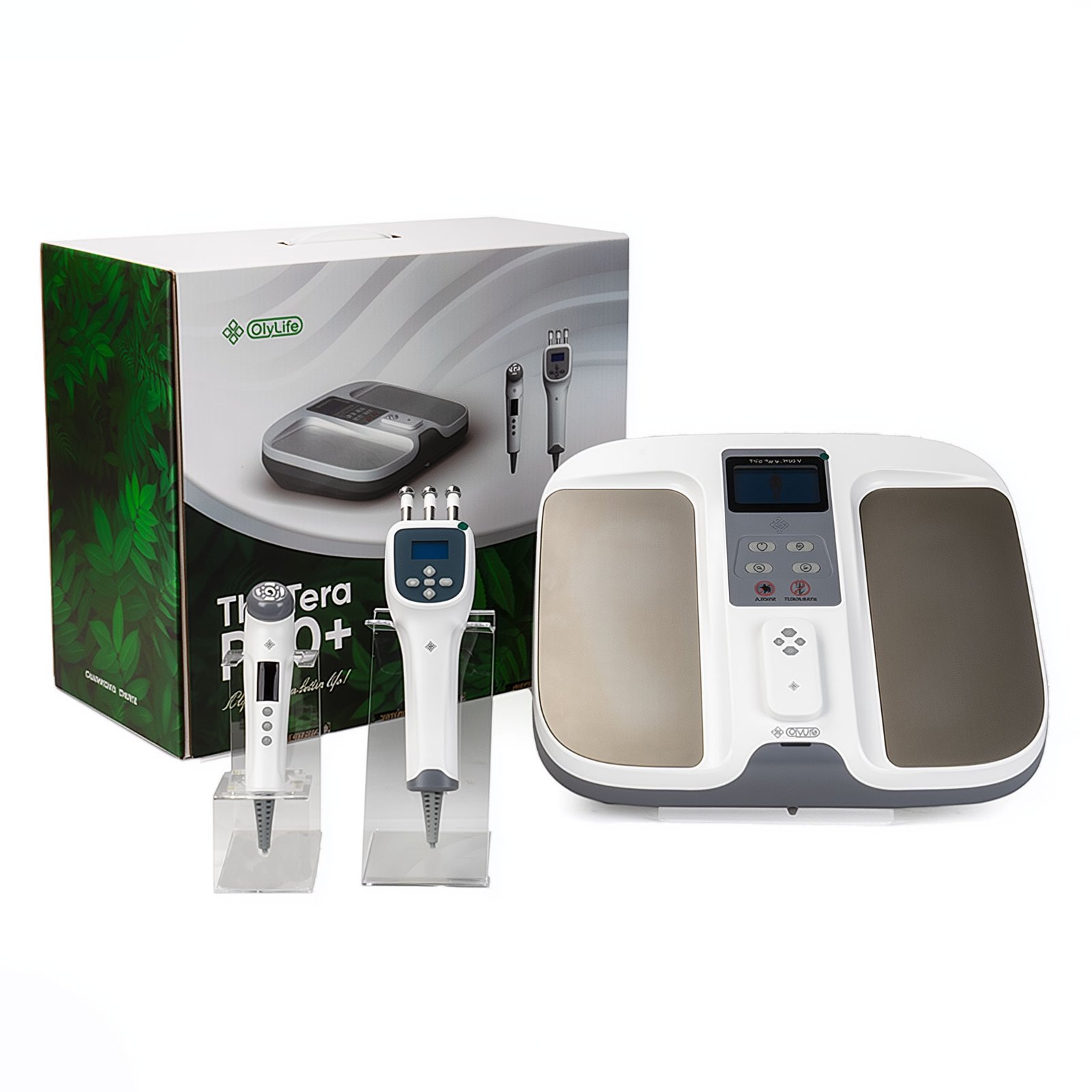
Make Your Winter Evenings a Ritual ✨
The OlyLife Tera-P90+ is a PEMF and terahertz wellness system many customers fold into a calm evening routine, with relaxing, soothing sessions for tired muscles after a long, dark day. It’s designed to support relaxation, not to treat any medical condition, and it pairs beautifully with dim lights, warm tea and an early night.
A 7-Day Plan to Beat the Winter Blues

Knowing what helps is one thing. Doing it on a dark Tuesday is another. This simple plan adds one new habit per day, so by the end of the week you have a full winter routine without overhauling your life. Keep each habit going as you add the next.
| Day | New habit | Why it may help |
|---|---|---|
| Day 1 | Pick a fixed wake time and set an alarm across the room | Anchors your body clock |
| Day 2 | Get 15 minutes of outdoor light within 2 hours of waking | Morning light is the strongest “daytime” signal |
| Day 3 | Add a 20-minute brisk walk, or combine it with Day 2 | Movement and daylight in one |
| Day 4 | Book one social plan for the week ahead | Connection counters the urge to hibernate |
| Day 5 | Cook one nourishing winter meal (salmon, lentil soup or an egg and veggie bake) | Steady energy plus omega-3s and vitamin D |
| Day 6 | Create a 30-minute evening wind-down: dim lamps, no screens, tea, stretch | Protects sleep, which protects mood |
| Day 7 | Plan something to look forward to: a day trip, a class, a winter hobby | Anticipation is a mood lift of its own |
Tips for sticking with it
- Lower the bar on bad days. Five minutes outside still counts. Momentum matters more than perfection.
- Stack habits. Pair new habits with things you already do, like a morning walk right after your first coffee.
- Track your mood. A quick 1–10 mood rating each evening helps you see what works and spot if things are getting worse.
- Plan ahead next year. If the winter blues show up every year, start your routine in early fall, before the clocks change.
If stress tends to pile on in winter too, our guide to stress relief relaxation techniques has more research-backed tools to add to your week.
When the Winter Blues Need More Support
Self-care habits are wonderful, but they have limits, and asking for help is a strength. Please reach out to your doctor or a mental health professional if:
- Low mood lasts most of the day, nearly every day, for two weeks or more
- You’ve lost interest in things you usually enjoy
- Your sleep, appetite or weight have changed a lot
- You’re struggling to keep up with work, family or basic self-care
- You’re leaning on alcohol, food or other substances to cope
- This happens every winter and seems to be getting worse
Effective professional options exist. Alongside light therapy, a form of cognitive behavioral therapy designed specifically for seasonal depression (CBT-SAD) has strong research behind it. In a randomized trial of 177 adults published in the American Journal of Psychiatry, CBT-SAD and light therapy worked equally well in the first winter after treatment, and by the second winter, fewer people in the CBT-SAD group had their depression come back (27% vs. 46%). Some people also benefit from medication. A professional can help you find the right mix.
If you are in crisis: if you’re having thoughts of suicide or self-harm, call or text 988 to reach the Suicide & Crisis Lifeline (US), available 24/7, or call 911 or go to your nearest emergency room. Outside the US, contact your local emergency number or crisis line. You don’t have to go through this alone.
Frequently Asked Questions About the Winter Blues
Are the winter blues real?
Yes. Surveys suggest the vast majority of people notice some seasonal change in mood, energy or sleep, and a significant minority find it a real problem. The winter blues aren’t a formal diagnosis, but the experience is common and valid, and it’s closely related to seasonal affective disorder, which is a recognized medical condition.
When do the winter blues usually start and end?
For most people in the Northern Hemisphere, the winter blues start in late October or November, often around the clock change, and peak in December through February. They usually lift in March or April as the days lengthen.
What is the fastest way to beat the winter blues?
There’s no instant fix, but the habits with the strongest support are bright morning light (ideally outdoors), regular movement, and staying connected with people. Many people notice a difference within a week or two of consistent daily habits.
Does vitamin D help with the winter blues?
Possibly, if you’re low in it. Large trials in people who weren’t deficient haven’t shown vitamin D supplements preventing depression or improving mood. It’s worth eating vitamin D–rich foods and asking your doctor about testing if you get very little sun, rather than taking high doses on your own.
Can a light therapy lamp help with the winter blues?
Research suggests bright light therapy may meaningfully reduce symptoms of seasonal affective disorder, and many people with milder winter blues find a morning light session helpful too. Check with your doctor first if you have bipolar disorder, eye conditions or take light-sensitizing medications, and see our light therapy lamp guide for how to choose and use one.
Why do I crave carbs and sleep more in winter?
Carb cravings and longer sleep are classic features of winter seasonal changes. They were described in the earliest research on seasonal affective disorder. Shorter days, changes in body-clock timing and shifts in brain chemistry likely all play a part. Steady meals with protein, fiber and slow-burning carbs, plus a consistent wake time, may help.
Do people in warm, sunny places get the winter blues?
Less often. Research comparing US regions found seasonal mood problems were more common farther north, where winter days are shortest. That said, anyone can feel seasonal shifts, especially if they spend most daylight hours indoors.
How do I know if it’s the winter blues or depression?
The main differences are severity and duration. If low mood lasts most of the day for two weeks or more, if you’ve lost interest in things you enjoy, or if it’s affecting your daily life, it may be more than the winter blues. A doctor or mental health professional can help you figure out what’s going on.
Final Thoughts: Be Gentle With Yourself This Winter
The winter blues are a very human response to darker, colder days, not a personal failing. Your body is responding to real changes in light and routine. The encouraging part is that small, steady habits can make a real difference: morning daylight, a brisk walk, a standing date with a friend, a nourishing bowl of soup, a consistent wake time and a cozy evening ritual you look forward to.
Start with just one habit this week, ideally before the clocks change on Sunday, and add the next when you’re ready. Notice what helps, let go of what doesn’t, and remember that reaching out for support is always a sign of strength. Spring will come. Until then, may your winter be warm, bright and full of small comforts. ✨
This article is for educational purposes only and is not a substitute for professional medical advice, diagnosis or treatment. If you’re concerned about your mood, please talk to a qualified healthcare provider. If you’re in crisis in the US, call or text 988.