Far Infrared: What It Is, Benefits, and How It Supports Wellness
You have felt far infrared your whole life without knowing its name. It is the deep, penetrating warmth you feel from the sun on a cool morning, from a crackling fire, or from another person standing close by — a gentle heat that seems to reach past your skin rather than just touching its surface. In the wellness world, far infrared has become the technology behind infrared saunas, heated blankets, therapy mats, and radiant devices, all promising better circulation, relaxation, and recovery.
But what actually is far infrared, how does it differ from the red-light and near-infrared devices you have probably also seen, and what does the research genuinely support versus what marketing tends to overstate? This guide is your honest, evidence-informed map of the far infrared landscape — the science, the real benefits, the products, and how to use it safely.
What Is Far Infrared? A Simple Explanation

Far infrared is a band of invisible light that sits just beyond the red edge of the visible spectrum. Light travels in wavelengths, measured in micrometers (µm). Visible light — everything your eyes can see — spans roughly 0.4 to 0.7 µm. Beyond red, the light becomes invisible, and this is where infrared begins.
The International Commission on Illumination (CIE) divides infrared into three neighborhoods based on wavelength:
- Near-infrared (NIR): roughly 0.75–1.4 µm — closest to visible light, penetrates most deeply into the body.
- Mid-infrared (MIR): roughly 1.4–3 µm — the middle ground.
- Far infrared (FIR): roughly 3–1000 µm (in practical wellness use, often cited around 6 µm and up) — the longest wavelength, furthest from visible light and closer to microwave and radio waves on the electromagnetic spectrum.
Here is the counterintuitive part: because far infrared has the longest wavelength of the three, it actually penetrates the least deeply. Instead of driving deep into tissue, far infrared is absorbed at and near the skin’s surface, where it is experienced as radiant heat. Your body is itself a far infrared emitter — the warmth you radiate at rest peaks in the far infrared range, which is exactly why this band feels so natural and comfortable. It is often described as sun-like warmth without the ultraviolet radiation that causes sunburn.
Far Infrared vs Near-Infrared, Mid-Infrared, and Red Light

This is where most people get confused, and where a lot of product marketing blurs the lines. Far infrared and red light are frequently sold under similar “infrared therapy” banners, but they work through fundamentally different mechanisms.
It comes down to heat versus light chemistry
Far infrared works primarily through radiant heat. It gently warms the skin and near-surface tissues, and that warmth triggers your body’s natural responses to heat — widening blood vessels, increasing circulation, and encouraging a relaxed, parasympathetic state.
Red light and near-infrared therapy, by contrast, work mainly through photobiomodulation — a light-driven, largely non-thermal process where specific wavelengths (typically 630–850 nm) are absorbed by components inside your cells and may influence cellular energy production. If you want to go deeper on that mechanism, our guides on red light therapy at home and the benefits of infrared light therapy explain photobiomodulation in detail.
A useful way to remember it: far infrared is mostly about warmth; red and near-infrared light are mostly about light reaching your cells. Both have their place, and some devices combine several wavelengths, but they are not interchangeable. When you understand this distinction, marketing claims become much easier to evaluate.
How Far Infrared Works in the Body

When far infrared warmth is absorbed by your skin, it sets off a cascade of well-understood physiological responses. Researchers generally describe two categories of effect: thermal (heat-driven) and non-thermal (subtler cellular effects that are still being studied).
Thermal effects
As your skin warms, blood vessels dilate (vasodilation) and circulation increases. Your heart rate rises modestly, and you begin to sweat — a response that, as researchers note, mimics some of the milder cardiovascular effects of light exercise. This improved microcirculation is the foundation of most far infrared benefits: more blood flow means more oxygen and nutrients delivered to tissues and more efficient removal of metabolic waste.
Non-thermal effects
Beyond simple heating, laboratory and clinical research suggests far infrared may influence cellular function in ways not fully explained by temperature alone. Studies have pointed to increased production of nitric oxide — a signaling molecule important for healthy, flexible blood vessels — as well as effects on metabolic rate and inflammatory markers. A systematic review of far infrared therapy for cardiovascular and chronic conditions concluded it may be a beneficial complement to conventional care, with no adverse effects reported, while emphasizing that the evidence base is still developing.
Much of this echoes what happens with other gentle, circulation-focused practices. If you are interested in the broader picture of how warmth, movement, and nervous-system regulation support the body, our overview of lymphatic drainage benefits and grounding benefits explore complementary pathways.
Evidence-Informed Benefits of Far Infrared

Far infrared is surrounded by big promises, so let’s be honest and organize the benefits into three tiers: what research reasonably supports, what looks promising but is unproven, and what tends to be overstated. This is the framework we use across all of our wellness content, because clarity serves you better than hype.
Tier 1 — Reasonably supported
- Relaxation and stress relief: Warmth reliably encourages a shift toward the parasympathetic “rest and digest” state, which many people find calming. This pairs naturally with stress-relief and relaxation techniques.
- Improved circulation: Heat-driven vasodilation increasing blood flow is well established and consistent across studies.
- Perceived muscle recovery and comfort: Many people report reduced soreness and easier movement after far infrared heat, likely due to increased circulation and relaxation. See our deep dive on infrared sauna for muscle recovery.
- Better sleep and wind-down: A warm session in the evening can support the natural drop in core temperature that precedes sleep — a nice complement to solid sleep hygiene habits.
Tier 2 — Promising but still emerging
- Cardiovascular support: Small studies on far infrared (including sauna use) suggest possible improvements in vascular function and blood pressure, but larger, longer trials are needed before firm conclusions.
- Metabolic and inflammatory effects: Early research hints at benefits for insulin sensitivity and inflammatory markers, though results are preliminary.
- Chronic pain relief: Some trials report reduced pain in specific conditions, which fits with far infrared’s role as one tool among many for natural pain relief.
Tier 3 — Frequently overstated
- “Detox” claims: Sweating feels cleansing, and some research has detected trace compounds in sweat, but sweat is not your body’s primary detox pathway — your liver and kidneys are. Treat dramatic “flush out toxins” marketing with healthy skepticism.
- Weight loss: The scale may dip after a session, but that is water lost through sweat, not fat, and it returns once you rehydrate.
- Curing disease: Far infrared is a comfort-and-wellness tool. It is not a treatment for cancer or any serious illness, and reputable sources are explicit that there is no evidence it prevents or treats cancer.
Throughout, remember the language that matters: far infrared may support wellness and is traditionally used for relaxation and comfort. It is not a substitute for medical care.
Far Infrared Products: Saunas, Blankets, Mats, Panels, and Wands
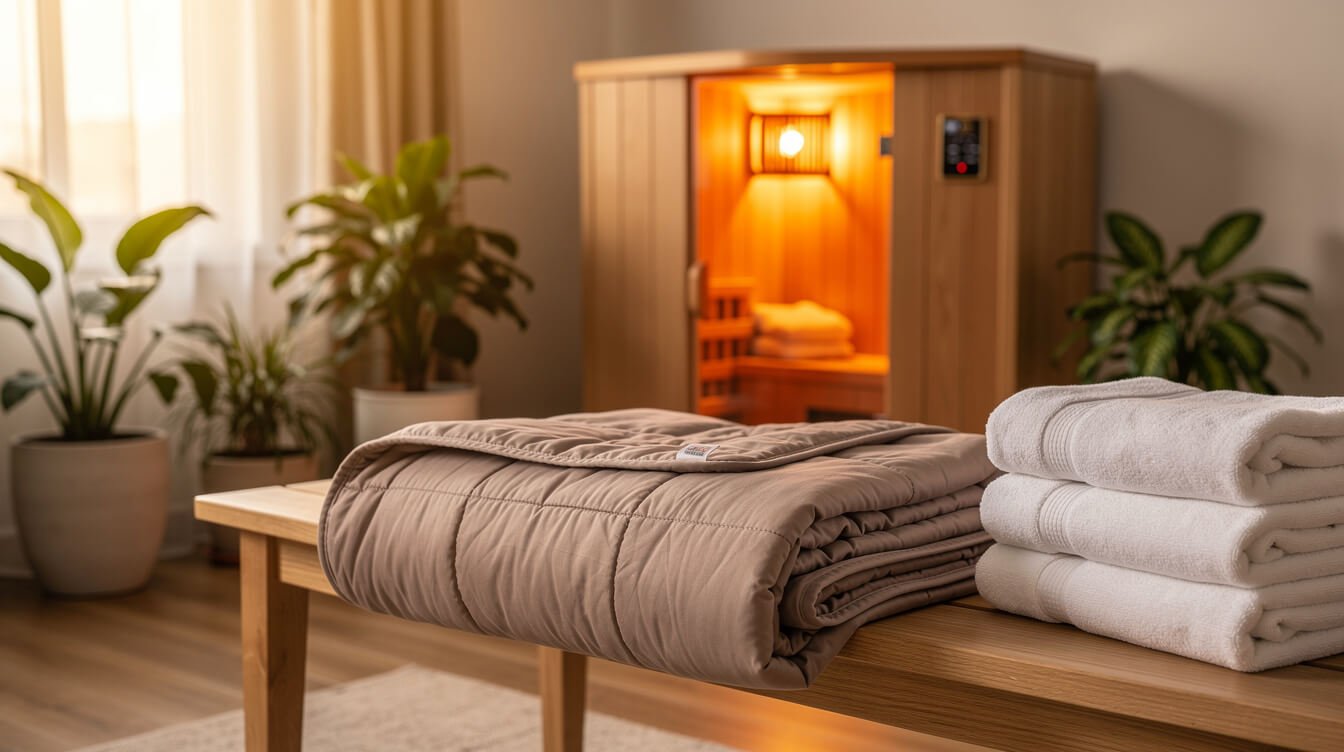
Far infrared has moved far beyond the spa. Today you can bring it home in many forms, each suited to different goals, budgets, and spaces.
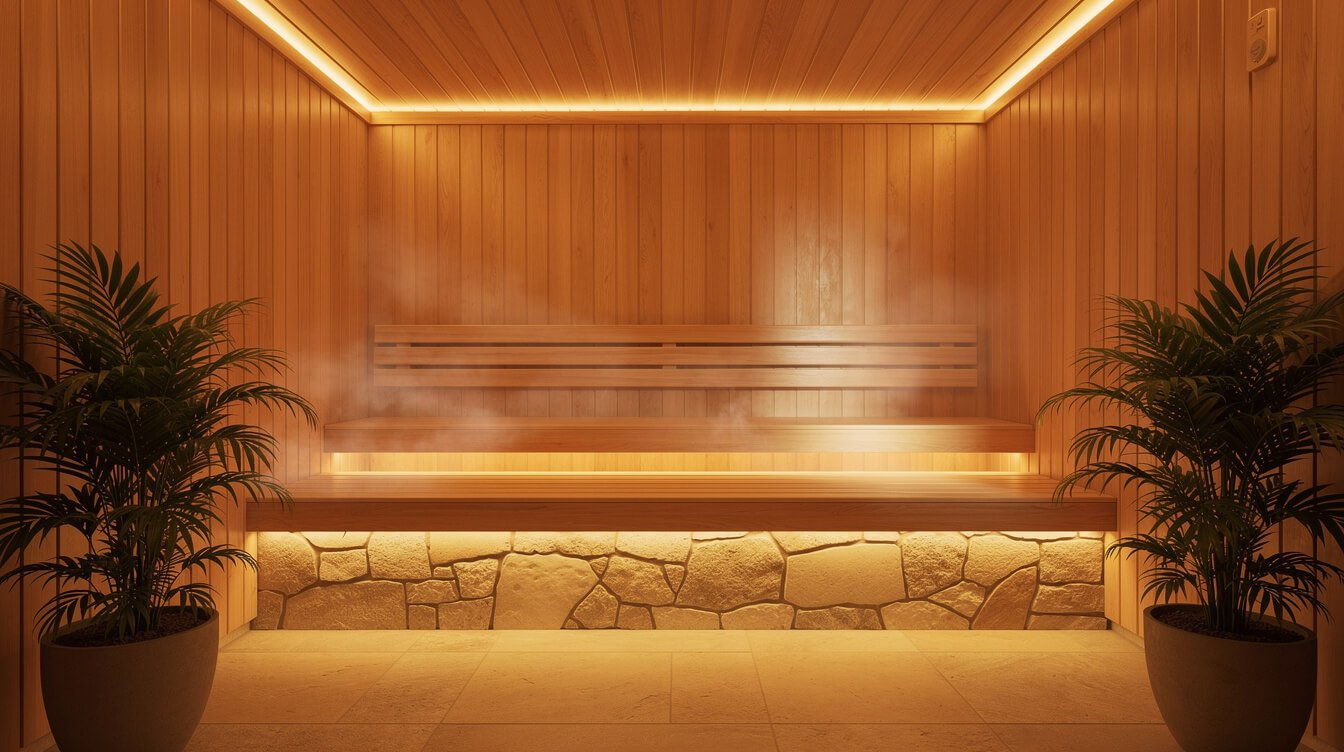
- Infrared saunas: The most familiar option — a cabin using far infrared panels that heat your body directly at a comfortable 110–135°F rather than superheating the air. If you are weighing your options, compare the benefits of an infrared sauna and read our breakdown of an infrared sauna vs a traditional sauna.
- Sauna blankets: Portable, foldable, and far more affordable than a cabin — you wrap yourself in far infrared warmth on a bed or couch.
- Therapy mats: Mats that combine far infrared heat with other modalities, often used lying down for full-body relaxation.
- Heating panels: Wall- or stand-mounted radiant panels for targeted or whole-room warmth.
- Infrared textiles: Clothing and wraps woven with mineral-infused fibers designed to reflect your own far infrared warmth back toward your body.
- Handheld and combination devices: Wands and smart devices that layer far infrared warmth with other frequencies for targeted use.
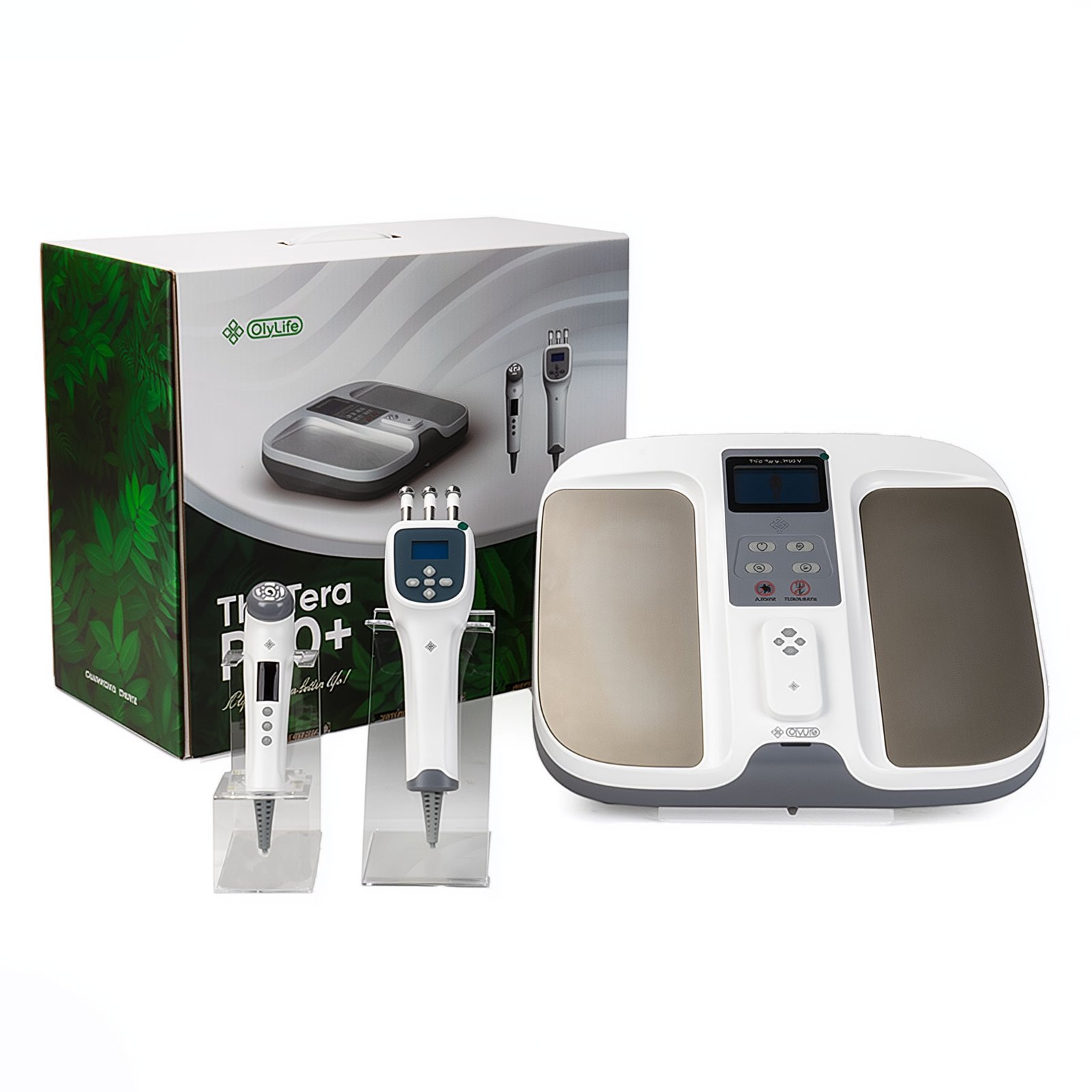
This last category is where far infrared meets the frontier of frequency-based wellness. Far infrared sits right beside the terahertz band on the electromagnetic spectrum, and some modern devices deliberately combine the two. The OlyLife THz Tera-P90+ is one example — a smart system that pairs terahertz and PEMF technology with radiant warmth, offering a portable, targeted alternative for people who want far-infrared-style heat without installing a whole sauna. If you are curious about how these adjacent technologies relate, our guides on what terahertz therapy is and the broader world of frequency healing devices are good next reads.
🎁 Get a Free Wellness Gift
Enter your name and email below to receive a special wellness gift from OlyLife — absolutely free!
How to Use Far Infrared Safely

Far infrared is generally considered safe and well-tolerated, but heat is still heat. A few simple habits keep your sessions comfortable and beneficial.
A sensible starting routine
- Ease in: Start with 10–15 minute sessions and build gradually toward 20–30 minutes as your comfort allows.
- Temperature: For saunas, 110–135°F is a comfortable and effective far infrared range — you do not need extreme heat to benefit.
- Frequency: Two to four sessions per week is a reasonable rhythm for most people pursuing general wellness.
- Hydrate: Drink water before and after. Because you sweat, replacing fluids is the single most important safety habit.
- Listen to your body: Lightheadedness, nausea, or a racing heart are signals to stop, cool down, and rehydrate.
Who should be cautious
Talk with a qualified healthcare professional before using far infrared if you are pregnant, have cardiovascular conditions or low blood pressure, are prone to dehydration or heat intolerance, have a fever or acute illness, use medications that affect sweating or heat regulation, or have implanted electronic devices (especially relevant for combination devices that add PEMF). Children and older adults should use lower temperatures and shorter sessions. These are sensible precautions, not reasons for alarm — far infrared’s comfortable, lower-temperature nature is one of its biggest appeals.
Radiant Warmth, Reimagined
Love the idea of far-infrared warmth but not the space or cost of a sauna? The OlyLife THz Tera-P90+ pairs terahertz and PEMF technology with soothing radiant heat in a portable, targeted device — bringing gentle warmth wherever you need it.
How to Choose the Right Far Infrared Option for You
With so many products available, the best choice comes down to your goals, your space, and your budget. Use this quick decision guide:
- If relaxation and a full-body ritual matter most and you have the space and budget: a dedicated infrared sauna delivers the immersive experience.
- If you want the sauna experience affordably and portably: a far infrared sauna blanket offers most of the warmth at a fraction of the cost and footprint.
- If you prefer lying down or want to combine modalities: a therapy mat is comfortable and versatile.
- If you want targeted warmth for a specific area — a stiff shoulder, an achy knee — a handheld or combination device is far more practical than heating your whole body.
- If you are drawn to the frequency-wellness frontier: combination devices that unite far infrared warmth with terahertz and PEMF, like those discussed in our complete terahertz wand guide, offer a modern, multi-modal approach.
Whatever you choose, consistency matters more than intensity. A few comfortable sessions each week, sustained over time, will serve you far better than occasional extreme heat.
Frequently Asked Questions About Far Infrared
Is far infrared safe?
For most healthy adults, yes — far infrared is generally considered safe and well-tolerated, and no harmful effects have been reported with typical infrared sauna use. The main practical concerns are heat-related: dehydration and overheating. Stay hydrated, keep sessions moderate, and check with a healthcare professional first if you are pregnant, have a heart condition, or use an implanted device.
What is the difference between far infrared and red light therapy?
Far infrared works primarily through radiant heat that warms the skin and boosts circulation, while red light therapy works mainly through photobiomodulation — non-thermal light absorbed by your cells. They target different mechanisms, so they are complementary rather than interchangeable. Our guide to the benefits of red light therapy explains the difference in more detail.
Does far infrared really detox your body?
Sweating during a far infrared session feels cleansing and may release trace compounds, but your liver and kidneys are your body’s true detox organs. Enjoy far infrared for relaxation and circulation, and be cautious of dramatic “detox” marketing claims.
How often should I use far infrared?
Two to four sessions per week of 15–30 minutes is a comfortable, sustainable rhythm for general wellness. Start shorter and build up, and always prioritize how your body feels over hitting a specific number.
Can far infrared help with pain and recovery?
Many people find far infrared warmth eases muscle soreness and stiffness and supports a feeling of recovery, largely through improved circulation and relaxation. It works well alongside other approaches to joint comfort and recovery, though it is a supportive tool rather than a cure.
Final Thoughts
Far infrared is one of the most approachable entry points into modern wellness — a gentle, sun-like warmth that our bodies recognize and respond to naturally. The research reasonably supports its role in relaxation, circulation, and perceived recovery, with promising signals in cardiovascular and metabolic health still being studied. Just as importantly, understanding what far infrared is — a band of radiant heat, distinct from the light-chemistry of red and near-infrared therapy — lets you cut through marketing and make choices that genuinely fit your goals.
Whether you step into an infrared sauna, wrap up in a blanket, or explore a modern combination device, the principles are the same: start gently, stay hydrated, be consistent, and treat far infrared as one warm, supportive thread in a broader wellness routine. Your body already speaks the language of far infrared — this is simply a thoughtful way to listen. 🌿