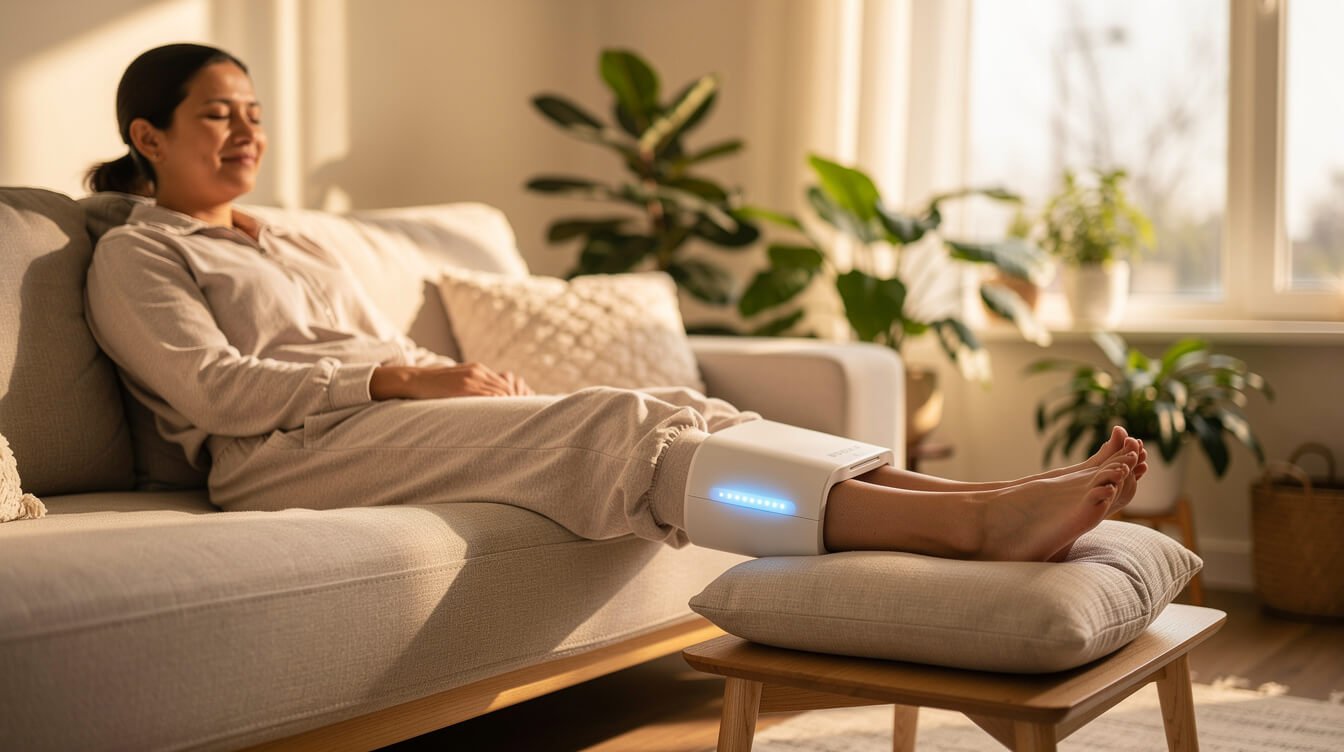
PEMF Bone Stimulator: What the Research Says About Bone Healing
If you have ever broken a bone — or cared for someone who has — you know how slow and uncertain healing can feel. That is exactly why the PEMF bone stimulator has earned so much attention in orthopedic clinics and, increasingly, in at-home wellness routines. These devices use gentle pulsed electromagnetic fields to encourage the body’s own bone-repair processes, and unlike many wellness trends, this one is backed by decades of clinical use and research.
In this guide we will explain what a PEMF bone stimulator actually is, how the technology is thought to work, what the research genuinely supports (and what it does not), and the important difference between an FDA-cleared clinical device and an at-home wellness device. Our goal is simple: to be the most honest, useful resource on this topic so you can make a clear, informed decision. 🌿
What Is a PEMF Bone Stimulator?

A PEMF bone stimulator is a device that delivers low-frequency, low-intensity pulsed electromagnetic fields to a specific area of the body to support the natural process of bone healing. In medicine these are often called “bone growth stimulators,” and they come in two broad forms: implantable units placed during surgery, and non-invasive external units worn over the skin near the healing site.
The core idea is not new. Clinicians have used electrical and electromagnetic bone stimulation for decades, most commonly to help fractures that are slow to heal, so-called nonunion fractures, and to support recovery after spinal fusion surgery. What has changed recently is accessibility: the same underlying principle now appears in consumer wellness devices designed for general comfort and recovery at home. If PEMF is new to you, our complete guide to what PEMF is is a helpful place to start.
It is worth being precise with language from the outset. A true medical bone growth stimulator is a regulated device prescribed for a specific diagnosis. An at-home wellness PEMF device is a general wellness tool. Both may use pulsed electromagnetic fields, but they are not the same thing — a distinction we will return to in detail below.
Types of Bone Growth Stimulators
Not all bone growth stimulators are built the same. Knowing the main categories makes it much easier to understand what you are reading about — and what a doctor might recommend.
Invasive (implantable) stimulators
These are placed surgically, often during a spinal fusion, and deliver a weak electrical current directly to the site that needs to heal. Because they are internal, they work continuously without any effort from the patient, and they are reserved for specific surgical situations decided by a surgeon. Some are removed once healing is complete, while others remain in place.
Non-invasive external stimulators
These are worn on the outside of the body, over or near the healing area, and are the category most people picture when they hear “PEMF bone stimulator.” They use pulsed electromagnetic fields rather than wired current, require no surgery, and are typically worn for a set number of hours each day. Most of the consumer-facing conversation — and most at-home wellness devices — sits in this non-invasive family, which is also one reason the technology has become so accessible.
Combination and related approaches
Some clinical devices blend methods or use different field types, and research continues into ultrasound-based stimulation as a related, non-electromagnetic option. The key takeaway is that “bone stimulator” is an umbrella term, and the right type depends entirely on the medical situation and professional advice — not on marketing.
How PEMF Bone Stimulation Works

To understand how a bone stimulator may help, it helps to know how bone heals in the first place. Bone repair moves through three overlapping natural phases: inflammation (the body responds to the injury), bone production (new soft and then hard bone forms across the gap), and remodeling (the new bone is strengthened and reshaped over months).
Pulsed electromagnetic fields are thought to influence this process at the cellular level. Researchers believe the pulsing fields may encourage the activity of osteoblasts — the cells that build new bone — and may support the signaling and circulation involved in repair. In other words, PEMF does not “zap” a bone back together; it is better understood as a gentle nudge that may help an already-capable biological process along.
The specifics matter. Most of the encouraging clinical results come from low-frequency fields in roughly the 1–50 Hz range at low intensities. This is the same low-and-slow philosophy behind full-body devices — you can read more in our overview of how a PEMF bed works and our broader evidence-informed guide to PEMF therapy.
There is also a timing element that often surprises people. Because bone repair unfolds over weeks and months, a PEMF bone stimulator is not something you use once and forget. The clinical benefit is tied to cumulative, daily exposure — which is exactly why prescribed devices specify long wear times and why consistency, rather than intensity, tends to be the variable that matters most. You can think of it less like a painkiller and more like physical therapy: small, repeated inputs that add up over time.
What the Research Says About PEMF for Bone Healing
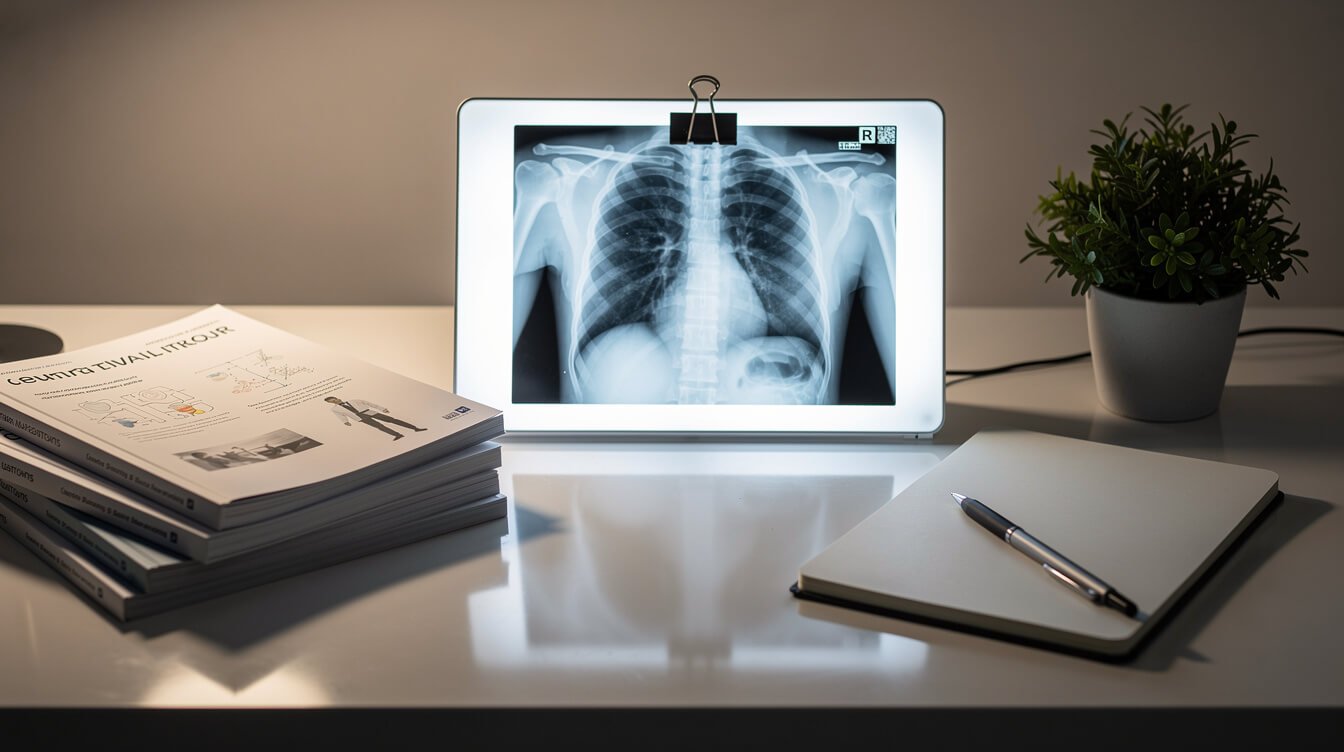
This is where a PEMF bone stimulator stands apart from many wellness gadgets: there is a genuine clinical track record. PEMF has been FDA-approved for nonunion fractures since 1979, and bone growth stimulation is an established, if adjunctive, tool in orthopedics.
Here is what the research generally suggests:
- Nonunion and delayed fractures. This is the strongest, most studied use. One follow-up study of nonunion fractures reported that patients using PEMF for nine or more hours per day achieved successful repair an average of about 76 days sooner than lower-use patients.
- Spinal fusion support. Bone growth stimulators are used to help encourage fusion after spinal surgery, particularly in higher-risk patients.
- Fresh fracture healing. Evidence here is more mixed; PEMF appears most useful when healing is stalled rather than progressing normally.
- Osteoporosis and bone density. Early and promising but less conclusive — an area of active study rather than settled fact.
It is just as important to be clear about the limits. The best evidence applies to specific clinical indications using specific medical devices under professional supervision. It does not automatically transfer to every consumer device or every use case. Honest expectations are part of using any wellness technology well — the same mindset we encourage in our guide to PEMF for recovery and PEMF for osteoarthritis.
Why does a technology with 1970s FDA clearance still feel “new” to so many people? Part of the answer is that bone stimulation lived quietly inside orthopedics for decades, used mainly for the small subset of fractures that fail to heal on their own. It is only as at-home wellness devices have become mainstream that the broader public has encountered the term — which is also why so much online information blurs the line between a prescribed medical stimulator and a general wellness gadget. Reading the research carefully, and noticing exactly which device and which condition a study examined, is the single best habit you can bring to this topic.
Clinical Bone Growth Stimulators vs At-Home Wellness PEMF
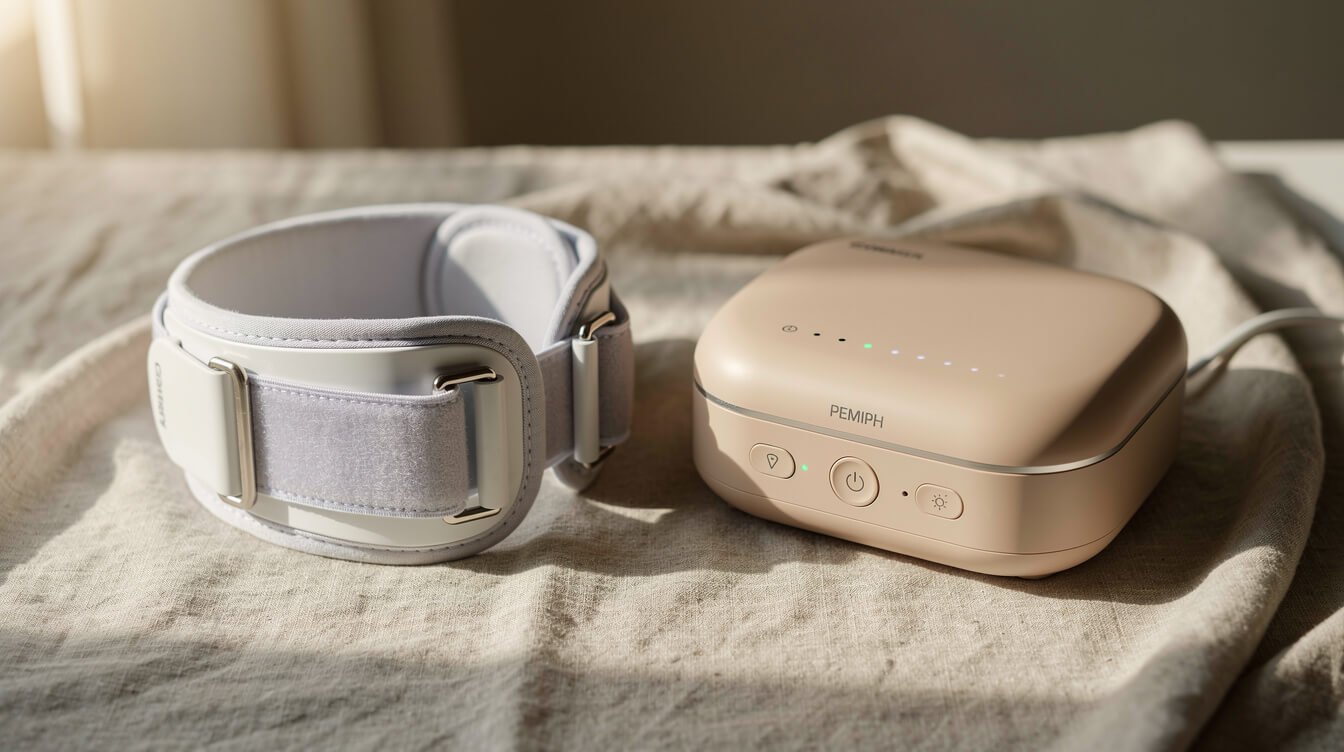
This is the single most important distinction in this entire topic, and it is one that marketing often blurs. Understanding it protects both your health and your wallet.
A clinical bone growth stimulator is an FDA-cleared medical device. It is prescribed by a physician for a diagnosed condition — typically a nonunion fracture or spinal fusion — and it is calibrated for that medical purpose. If you have an active fracture or are recovering from bone surgery, this is the category that matters, and the decision belongs with your orthopedic team.
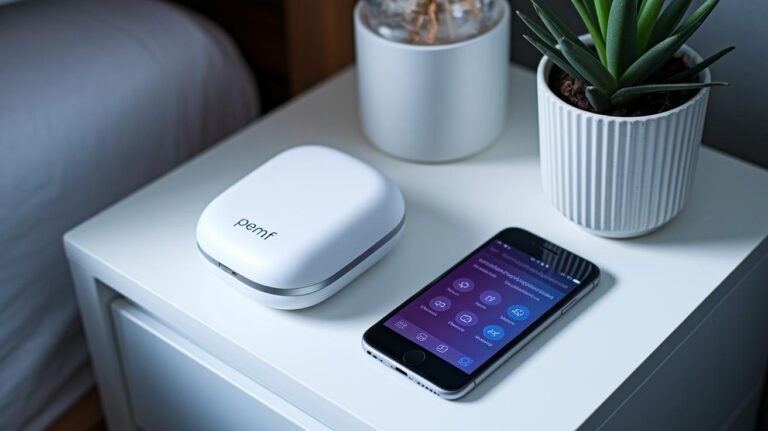
An at-home wellness PEMF device, by contrast, is a general wellness tool. It is not a substitute for a prescribed bone growth stimulator and should not be marketed or used as a fracture treatment. What it can offer is a gentle, convenient way to incorporate pulsed electromagnetic fields into a broader routine focused on comfort, circulation, and everyday recovery.
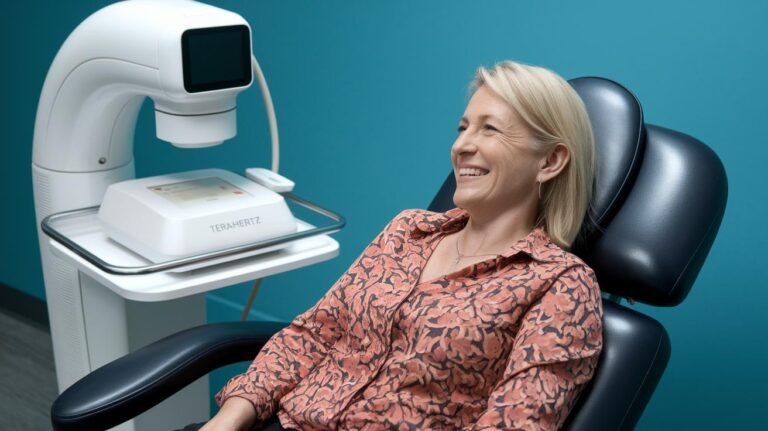
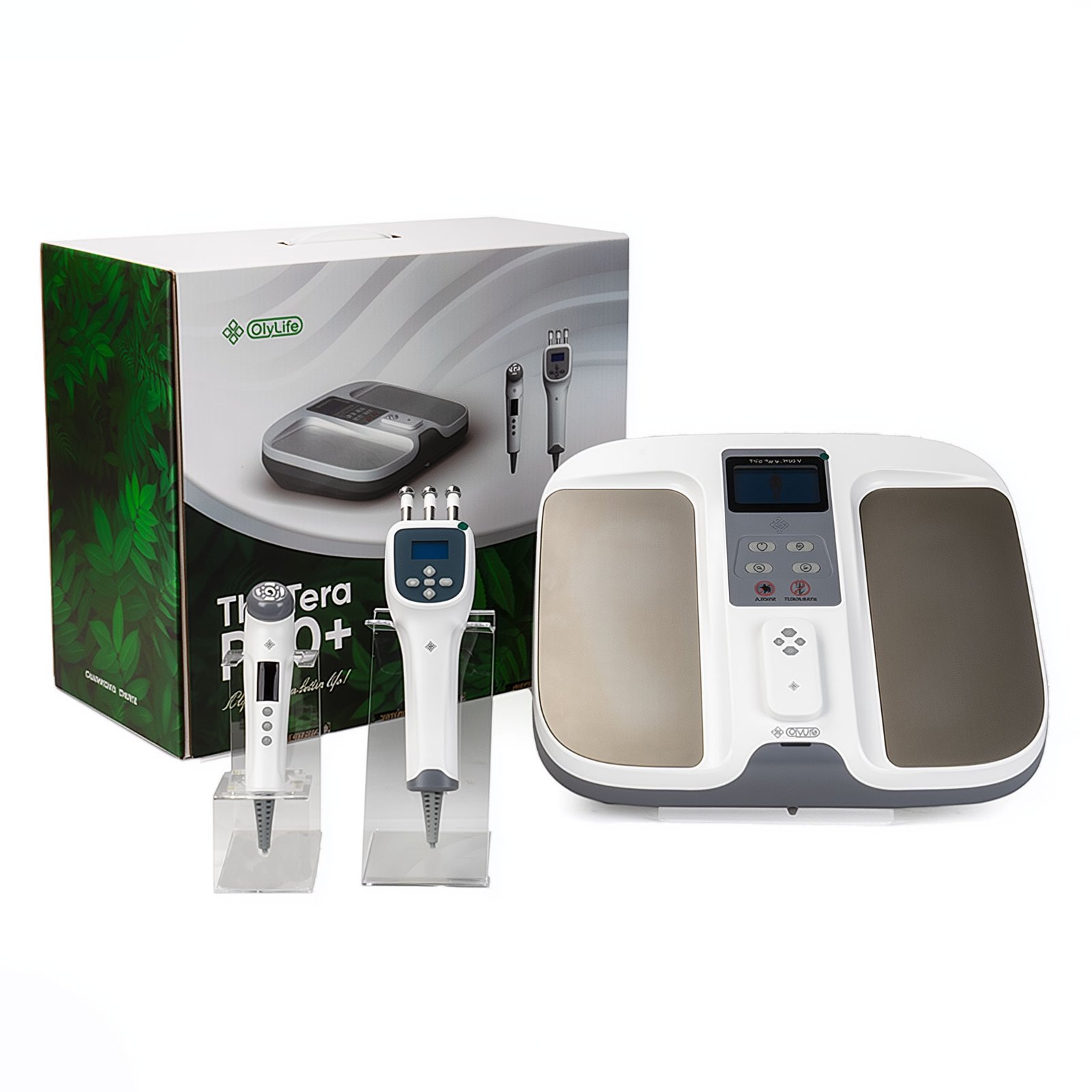
If a flexible at-home option fits your wellness goals, the OlyLife THz Tera-P90+ combines PEMF and terahertz technology in one smart, easy-to-use system designed for comfortable daily sessions at home. Think of it as a wellness companion — not a medical bone stimulator — for people who simply want to make pulsed electromagnetic fields part of their self-care.
🎁 Get a Free Wellness Gift
Enter your name and email below to receive a special wellness gift from OlyLife — absolutely free!
Who Might Consider a PEMF Bone Stimulator?
Because the term covers both medical and wellness devices, the honest answer depends on which you mean.
You should talk to a healthcare professional about a clinical bone growth stimulator if you have a nonunion or slow-healing fracture, are preparing for or recovering from spinal fusion, or have a bone-healing condition your doctor is actively managing. These are medical decisions that call for medical guidance.
An at-home wellness PEMF device may appeal to generally healthy people who want to support everyday recovery, circulation, and relaxation; who value a non-invasive, drug-free addition to their routine; and who have realistic, wellness-oriented expectations. As always, if you have a pacemaker or other implanted electronic device, are pregnant, or have a serious health condition, speak with your doctor before beginning.
Bring PEMF Into Your Daily Routine
The OlyLife THz Tera-P90+ pairs gentle pulsed electromagnetic fields with terahertz technology in one smart, at-home wellness system — an easy, non-invasive way to support everyday comfort and recovery.
What to Look for in an At-Home PEMF Device
If you have decided an at-home wellness device is right for you, a little knowledge goes a long way — especially because prices range from modest to thousands of dollars. Rather than chasing the highest price tag, focus on transparent specifications and a trustworthy brand.
- Clear specs. Look for a device that openly states its frequency range and intensity rather than relying on vague marketing language. Low-frequency, low-intensity output reflects what the research tends to favor.
- Honest positioning. Reputable brands describe their products as wellness devices and do not promise to heal fractures or cure disease. Overblown medical claims are a red flag.
- Comfort and practicality. The best device is the one you will actually use. Portability, simple controls, and comfortable sessions matter more than a long feature list.
- Support and transparency. A clear warranty, responsive customer support, and straightforward guidance all signal a brand worth trusting.
For a broader sense of how different formats compare, our guides to PEMF mat benefits and far infrared wellness can help you weigh which approach fits your lifestyle and goals.
How to Use PEMF Safely and What to Expect

If you are using a prescribed clinical bone growth stimulator, follow your doctor’s instructions precisely — including the daily wear time, which can be substantial and directly affects outcomes. For at-home wellness devices, a few sensible principles apply:
- Start gently and be consistent. Short, regular sessions tend to fit real life better than occasional long ones.
- Follow the manufacturer’s guidance on session length, placement, and intensity.
- Pair it with the basics. Adequate protein, calcium and vitamin D, good sleep, and appropriate movement do the heavy lifting for bone health — see our guide to improving sleep quality naturally, since recovery happens largely at rest.
- Watch for comfort. PEMF is generally well tolerated and non-invasive, but stop and consult a professional if anything feels off.
What to expect is just as important as how to use it. With a prescribed clinical stimulator, your care team will track progress with imaging over weeks and months — the device is one part of a managed healing plan, not a quick fix. With an at-home wellness device, the experience is gentler and more subtle: many people describe a sense of relaxation or eased everyday tension rather than a dramatic sensation. If you are expecting fireworks, you will likely be disappointed; if you are looking for a calm, supportive habit to fold into your recovery routine, you are far more likely to be satisfied. Keep a simple log of how you feel, stay consistent, and give any new practice a fair, patient trial.
Who should avoid it: anyone with a pacemaker, defibrillator, or other implanted electronic device; those who are pregnant; and anyone with a serious medical condition unless cleared by their doctor. When in doubt, ask a professional first.
Frequently Asked Questions
Does a PEMF bone stimulator really work?
For specific medical indications — especially nonunion fractures and spinal fusion — clinical bone growth stimulators have decades of use and research support, and PEMF has been FDA-approved for nonunion fractures since 1979. For general at-home wellness use, think of PEMF as supportive rather than curative; it may help you feel more comfortable and support everyday recovery, but it is not a fracture treatment.
Is a PEMF bone stimulator the same as an at-home PEMF device?
No. A clinical bone growth stimulator is an FDA-cleared medical device prescribed for a diagnosed condition. An at-home wellness PEMF device is a general wellness tool and should not be used as a substitute for prescribed medical treatment.
How long does it take to see results?
Bone healing is measured in weeks and months, not days, and daily consistency matters. In clinical settings, higher daily use has been linked to faster fracture healing. Wellness benefits like comfort and relaxation may be felt sooner, but patience and realistic expectations are key.
Are there any side effects?
PEMF is generally considered safe and non-invasive, with few reported side effects. The main cautions are contraindications — pacemakers and other implanted electronics, pregnancy, and serious health conditions — where you should consult a doctor first.
Can PEMF replace surgery or medical care?
No. PEMF is best viewed as complementary. It may support your body’s natural processes, but it is not a replacement for professional diagnosis, treatment, or surgery when those are needed.
Final Thoughts
The PEMF bone stimulator is one of the rare corners of the wellness world where decades of clinical use and research meet everyday self-care. In medicine, bone growth stimulators are a well-established tool for difficult fractures and spinal fusion. In the home, PEMF devices offer a gentle, non-invasive way to make pulsed electromagnetic fields part of a thoughtful recovery routine — as long as you keep clear-eyed expectations about what each category can and cannot do.
The healthiest approach is also the simplest: let your doctor guide any true bone-healing treatment, treat at-home devices as supportive companions rather than cures, and keep nourishing the fundamentals — good nutrition, quality sleep, and gentle movement — that your bones rely on most. Here is to making calm, informed choices for your wellbeing. ✨
This article is for educational purposes only and is not intended to diagnose, treat, cure, or prevent any disease. Always consult a qualified healthcare professional before starting any new wellness practice, especially if you have a fracture, a bone-healing condition, an implanted device, or any existing health concern.