Anti-Inflammatory Foods: Your Complete Guide to Eating for Whole-Body Wellness
If you’ve been exploring ways to feel better naturally, chances are you’ve come across the term anti-inflammatory foods. And for good reason — what you eat plays a profound role in how your body manages inflammation, one of the most important factors in long-term health and wellness.
Chronic, low-grade inflammation has been linked to many of today’s most common health concerns, from joint discomfort and digestive issues to fatigue and skin problems. The encouraging news? Your kitchen may hold some of the most powerful tools for supporting your body’s natural inflammatory response. In this comprehensive guide, we’ll walk you through the best anti-inflammatory foods, the herbs and spices that may help, what to avoid, and how to build an eating pattern that supports your whole-body wellness.
What Is Inflammation — and Why Do Anti-Inflammatory Foods Matter?

Inflammation is your body’s natural defense mechanism. When you get a cut, bruise, or infection, your immune system sends specialized cells to the area to begin healing. This acute inflammation — characterized by redness, warmth, swelling, and tenderness — is actually a sign that your body is working exactly as it should.
The concern arises when inflammation becomes chronic. Instead of resolving once the threat has passed, the inflammatory response stays quietly active — sometimes for months or even years. Research published in Nature Medicine (2019) describes chronic low-grade inflammation as a key driver of conditions including cardiovascular disease, metabolic syndrome, and autoimmune disorders.
Several factors may contribute to persistent inflammation, including chronic stress, poor sleep, sedentary habits, and environmental toxins. But one of the most significant — and most controllable — factors is diet. A landmark study from Cell Metabolism (2019) found that participants eating ultra-processed diets consumed roughly 500 more calories per day than those eating whole foods, while showing increased markers of systemic inflammation.
This is where anti-inflammatory foods come in. Certain whole foods contain bioactive compounds — antioxidants, polyphenols, omega-3 fatty acids, and fiber — that may help your body modulate its inflammatory response naturally. Think of it not as a restrictive diet, but as a way of eating that actively supports your body’s ability to heal and thrive.
If you’re interested in a deeper exploration of natural remedies for inflammation beyond diet, we’ve created a comprehensive guide that covers movement, mind-body practices, and lifestyle habits as well.
The 12 Most Powerful Anti-Inflammatory Foods to Add to Your Diet

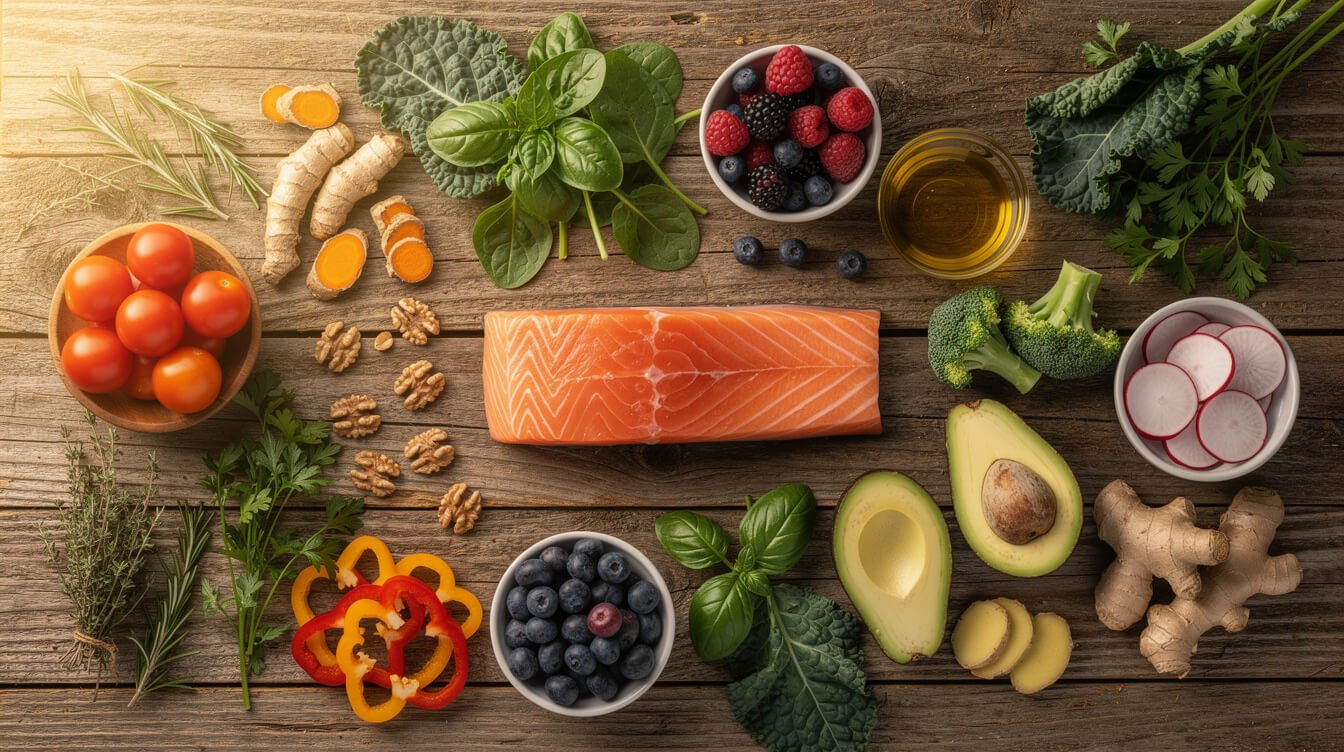
Not all foods are created equal when it comes to supporting a healthy inflammatory response. Here are twelve of the most well-researched anti-inflammatory foods, along with the specific compounds that make them so beneficial.
1. Fatty Fish (Salmon, Sardines, Mackerel)
Cold-water fatty fish are among the richest dietary sources of EPA and DHA — two omega-3 fatty acids that research has consistently shown may help reduce inflammatory markers. A review published in the Journal of Clinical Lipidology (2017) found that regular omega-3 intake was associated with lower levels of C-reactive protein (CRP), a key marker of systemic inflammation. Aim for two to three servings per week.
2. Berries (Blueberries, Strawberries, Blackberries)
Berries are packed with anthocyanins — the pigments responsible for their deep colors — which function as powerful antioxidants. Research in Advances in Nutrition (2019) found that berry consumption was associated with reduced inflammatory markers and improved cardiovascular health. Fresh or frozen, a daily handful supports your body beautifully.
3. Dark Leafy Greens (Spinach, Kale, Swiss Chard)
Leafy greens contain kaempferol, a flavonoid that research suggests may help inhibit pro-inflammatory pathways. They’re also rich in vitamins C and K, folate, and fiber — nutrients that support your body’s overall resilience. If you’re building a holistic approach to nutrition, leafy greens are foundational.
4. Extra Virgin Olive Oil
Extra virgin olive oil contains oleocanthal, a natural phenolic compound that researchers at the Monell Chemical Senses Center found shares anti-inflammatory properties similar to ibuprofen. Two to three tablespoons daily — drizzled over salads, vegetables, or whole grains — is a cornerstone of Mediterranean-style eating.
5. Avocados
Rich in monounsaturated fats, potassium, magnesium, and fiber, avocados are a nutritional powerhouse. Research suggests that the combination of healthy fats and carotenoids in avocados may help reduce inflammatory markers, particularly when eaten alongside other vegetables (the fats improve carotenoid absorption).
6. Walnuts
Among all tree nuts, walnuts contain the highest concentration of alpha-linolenic acid (ALA), a plant-based omega-3 fatty acid. Studies published in the Journal of the American College of Cardiology have found that regular walnut consumption is associated with lower CRP and interleukin-6 levels. A small handful (about 1.5 ounces) daily is a satisfying, anti-inflammatory snack.
7. Tomatoes
Tomatoes are one of the best dietary sources of lycopene, an antioxidant that becomes even more bioavailable when tomatoes are cooked. Research in the European Journal of Nutrition (2020) found that lycopene may help reduce inflammatory markers associated with cardiovascular risk. Enjoy them in sauces, soups, and roasted dishes.
8. Cruciferous Vegetables (Broccoli, Cauliflower, Brussels Sprouts)
Cruciferous vegetables contain sulforaphane, a compound that research suggests may help activate the body’s own antioxidant defense pathways. Broccoli sprouts contain particularly high concentrations. Lightly steaming these vegetables preserves their sulforaphane content while making them easier to digest.
9. Sweet Potatoes
The vibrant orange color of sweet potatoes comes from beta-carotene, a carotenoid antioxidant that your body converts to vitamin A. Rich in fiber and naturally sweet, they make a satisfying foundation for meals and may help support a healthy inflammatory response.
10. Beans and Lentils
Legumes are rich in fiber, plant protein, and polyphenols — all of which may support a healthy inflammatory response. Their high fiber content also feeds beneficial gut bacteria, creating a connection between gut health and systemic inflammation that we’ll explore in more detail below.
11. Green Tea
Green tea contains epigallocatechin gallate (EGCG), one of the most well-studied polyphenols in nutrition research. EGCG may help modulate inflammatory pathways and support antioxidant defenses. Two to three cups daily provides a gentle, sustained benefit — and the L-theanine naturally present in green tea may support calm focus as well.
12. Dark Chocolate (70%+ Cacao)
Good news for chocolate lovers — dark chocolate with 70% or higher cacao content contains flavanols that research suggests may help reduce inflammatory markers and support cardiovascular health. One to two small squares daily is a delicious way to support your anti-inflammatory eating pattern.
Anti-Inflammatory Herbs and Spices: Nature’s Most Concentrated Allies
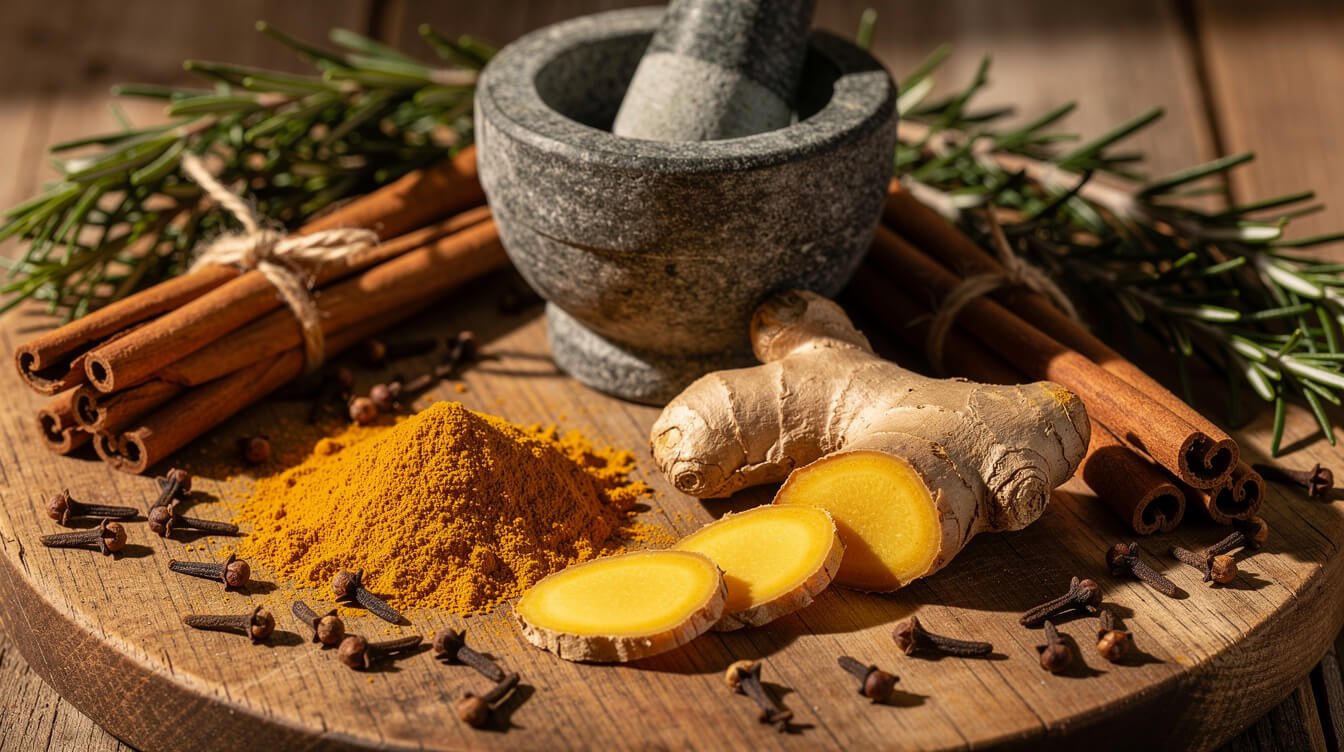
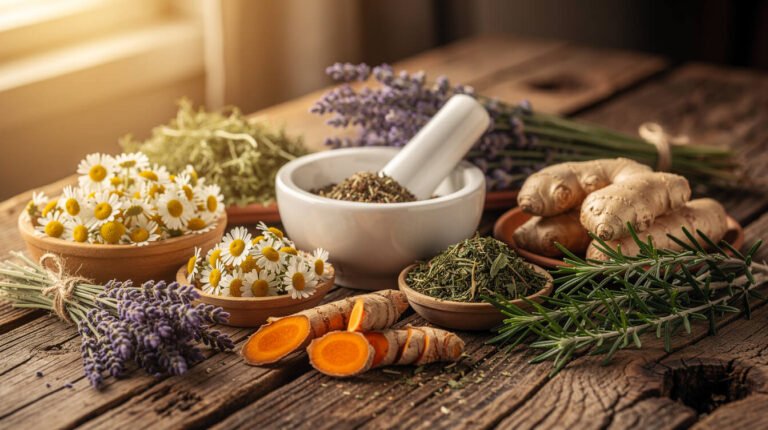
While anti-inflammatory foods form the foundation of a wellness-supportive diet, herbs and spices offer some of the most concentrated sources of bioactive compounds found anywhere in nature. These traditional ingredients have been used for thousands of years in Ayurvedic and Traditional Chinese Medicine — and modern research is beginning to explain why.
Turmeric (Curcumin)
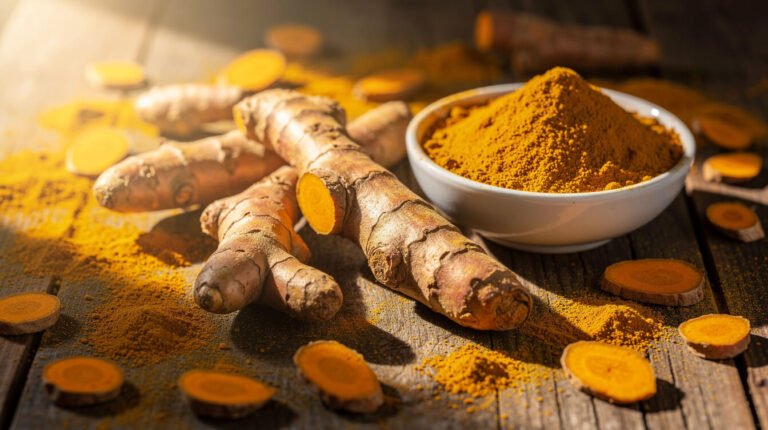
Turmeric’s golden color comes from curcumin, perhaps the most extensively studied anti-inflammatory compound in the plant kingdom. A meta-analysis published in the Journal of Medicinal Food (2017) found that curcumin supplementation was associated with significant reductions in CRP levels. One important tip: curcumin is poorly absorbed on its own, but pairing turmeric with black pepper (piperine) may enhance absorption by up to 2,000%, according to research in Planta Medica.
Ginger
Ginger contains gingerols and shogaols — compounds that research in Phytotherapy Research (2020) suggests may help inhibit COX-2 and 5-LOX enzymes, which are involved in the body’s inflammatory cascade. Fresh ginger in teas, stir-fries, and smoothies is a wonderfully warming way to support your body daily.
Cinnamon
Cinnamon contains cinnamaldehyde, a compound that research suggests may help modulate inflammatory pathways. Ceylon cinnamon (sometimes called “true cinnamon”) is generally preferred for regular use. A teaspoon in your morning oatmeal, smoothie, or golden milk makes a simple daily addition.
Rosemary
Rosemary contains rosmarinic acid and carnosic acid — two polyphenols with antioxidant properties. Beyond its anti-inflammatory potential, rosemary adds wonderful flavor to roasted vegetables, soups, and Mediterranean dishes.
Garlic
Garlic contains diallyl disulfide and other organosulfur compounds that research suggests may help modulate inflammatory pathways. Both raw and cooked garlic offer benefits, though raw garlic retains higher concentrations of allicin (allow crushed garlic to sit for 10 minutes before cooking to maximize allicin formation).
Cloves
Cloves have one of the highest antioxidant capacities of any spice, largely due to their eugenol content. Even small amounts — added to teas, curries, or baked goods — may contribute meaningfully to your overall antioxidant intake.
The beauty of herbs and spices is that they’re incredibly versatile. A morning golden milk with turmeric, ginger, and cinnamon can become a daily anti-inflammatory ritual that’s both nourishing and comforting.
Foods That May Promote Inflammation: What to Reduce
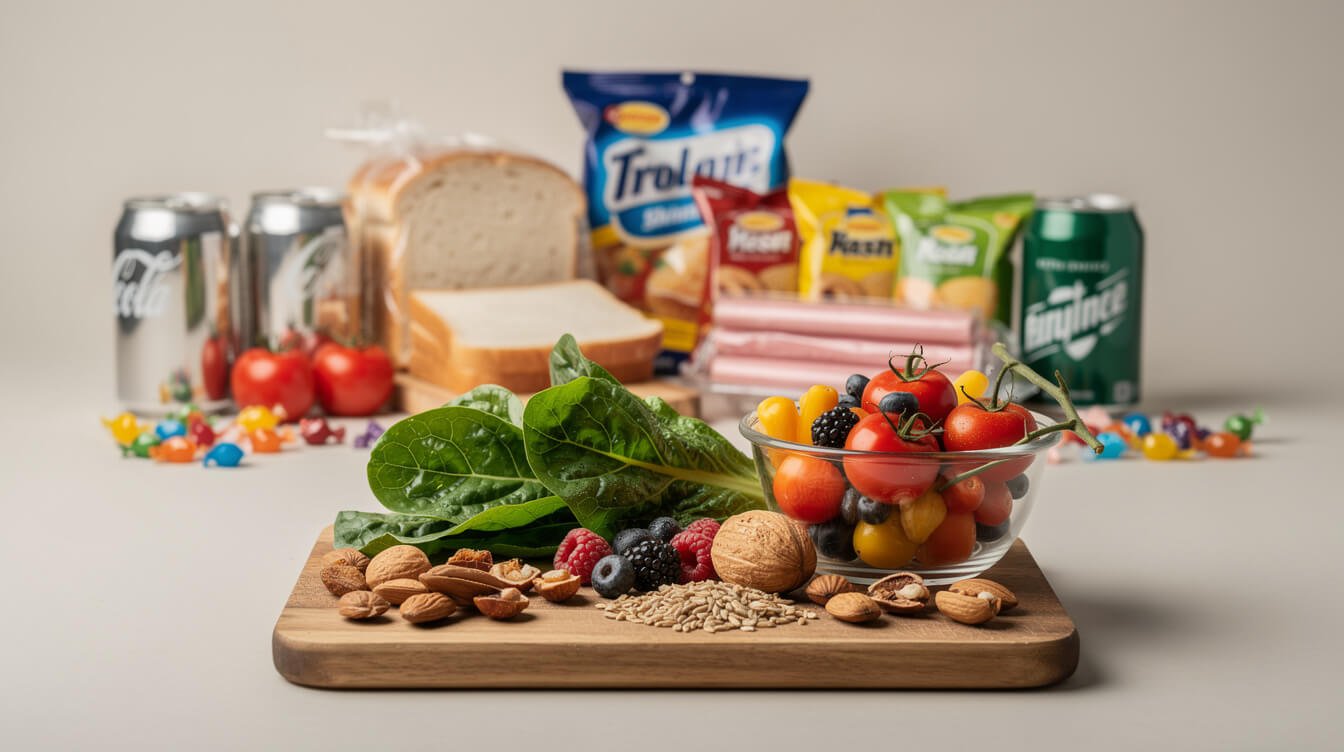
Incorporating anti-inflammatory foods is only half the equation. Equally important is reducing foods that may actively promote inflammatory processes in the body. This isn’t about perfection or deprivation — it’s about awareness and gradual shifts toward choices that serve your wellbeing.
Ultra-Processed Foods
The Cell Metabolism (2019) study mentioned earlier found that ultra-processed diets were associated with increased caloric intake and weight gain compared to whole-food diets. Many processed foods contain refined oils, added sugars, and artificial additives that may trigger inflammatory responses. Reading ingredient labels is one of the most empowering habits you can build.
Refined Sugars and Sweetened Beverages
Excessive sugar consumption has been associated with increased production of pro-inflammatory cytokines and advanced glycation end products (AGEs). Sugar-sweetened beverages — including sodas, sweetened teas, and many fruit juices — are among the most concentrated sources of added sugar in modern diets.
Refined Carbohydrates
White bread, pastries, and other foods made with refined flour have had their fiber and nutrients stripped away, leaving fast-digesting starches that may spike blood sugar and promote inflammatory responses. Choosing whole grains — brown rice, oats, quinoa, whole wheat — provides fiber and nutrients that support a healthier response.
Processed Meats
Bacon, sausage, deli meats, and hot dogs contain preservatives, nitrates, and advanced glycation end products that research has associated with increased inflammatory markers. Opting for fresh, unprocessed proteins when possible is a straightforward swap.
Excessive Alcohol
While small amounts of certain alcoholic beverages (particularly red wine) contain polyphenols, excessive alcohol consumption may promote gut barrier dysfunction and systemic inflammation. If you enjoy alcohol, moderation is key — generally defined as up to one drink per day for women and two for men.
Trans Fats and Refined Seed Oils
Trans fats (found in some margarine, microwave popcorn, and commercially baked goods) have been consistently linked to increased inflammation. While many countries have restricted trans fats, checking labels for “partially hydrogenated oils” remains a good practice.
Remember: this isn’t about eliminating entire food groups overnight. Small, consistent shifts — swapping white bread for whole grain, choosing water over soda, reaching for nuts instead of chips — can create meaningful changes over time.
🎁 Get a Free Wellness Gift
Enter your name and email below to receive a special wellness gift from OlyLife — absolutely free!
The Gut-Inflammation Connection: Why Your Microbiome Matters
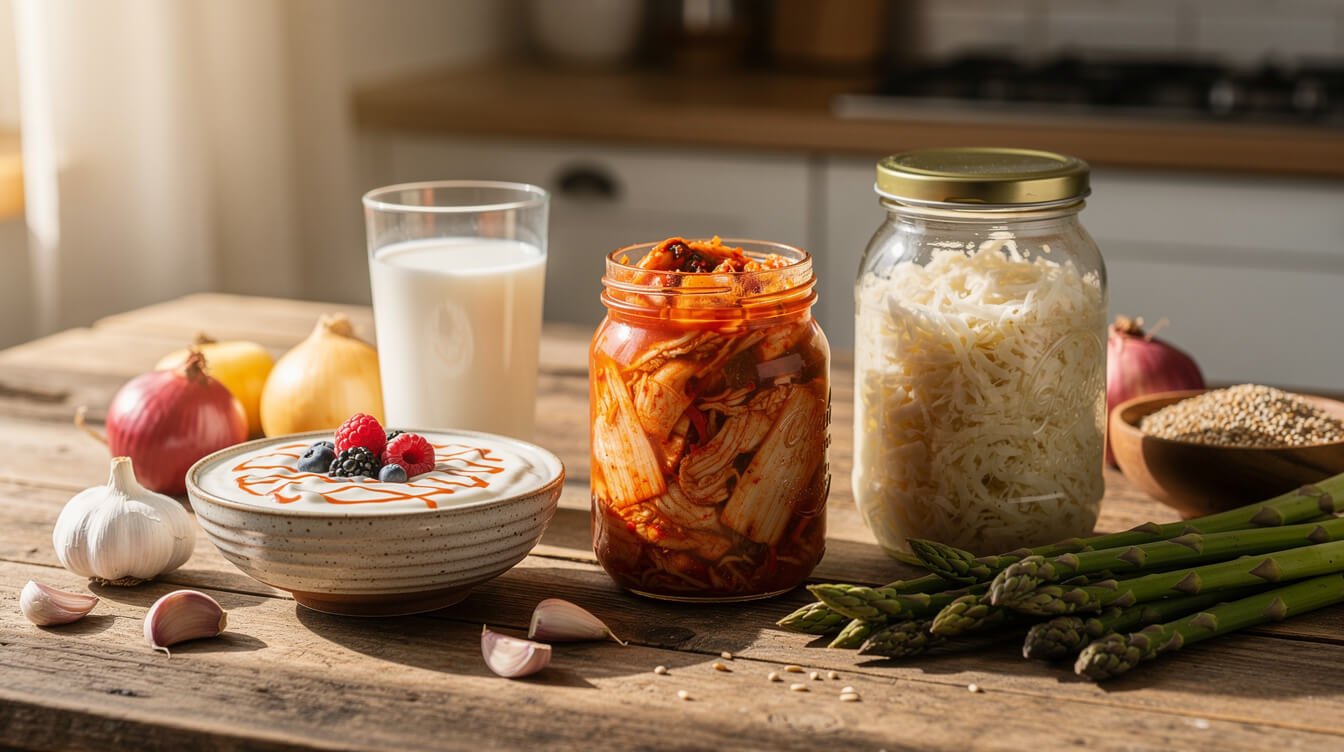
One of the most exciting areas of nutrition research is the connection between gut health and systemic inflammation — and it’s an area that most anti-inflammatory diet guides overlook entirely.
Your gut houses roughly 70% of your immune system, and the trillions of microorganisms in your digestive tract — collectively known as your microbiome — play a crucial role in regulating your body’s inflammatory response. When your gut barrier is compromised (sometimes called “leaky gut”), molecules that should stay in the digestive tract can enter the bloodstream, potentially triggering widespread inflammatory responses.
A landmark Stanford study published in Cell (2021) found that participants who ate six or more servings of fermented foods daily for 10 weeks showed significantly increased microbiome diversity and measurably reduced inflammatory markers, including interleukin-6 (IL-6). This was one of the first large-scale studies to directly demonstrate the gut-inflammation connection through dietary intervention.
To support your gut’s role in managing inflammation, consider incorporating:
- Fermented foods: Yogurt, kefir, sauerkraut, kimchi, miso, and kombucha introduce beneficial bacteria that support microbiome diversity
- Prebiotic fiber: Garlic, onions, asparagus, bananas, and oats feed your existing beneficial bacteria, helping them thrive
- Diverse plant foods: Research from the American Gut Project found that people who ate 30 or more different plant foods per week had significantly greater microbiome diversity than those who ate fewer than 10
- Bone broth and collagen-rich foods: These may support gut barrier integrity with amino acids like glutamine and glycine
If you’re curious about the deeper relationship between your gut and your overall wellbeing, our guide to the gut-brain connection explores how your microbiome may influence everything from mood to sleep quality.
Supporting your body’s natural anti-inflammatory processes goes beyond diet alone. Regular gentle movement — even a daily walk — has been shown to positively influence both gut diversity and inflammatory markers. Emerging research also suggests that technologies like pulsed electromagnetic field (PEMF) therapy may support circulation and cellular wellness at a foundational level, potentially complementing your anti-inflammatory lifestyle.

Support Your Wellness at the Cellular Level
The OlyLife Tera-P90+ combines PEMF and terahertz technology to support circulation, recovery, and whole-body wellness — a perfect complement to your anti-inflammatory lifestyle.
Building Your Anti-Inflammatory Plate: A Practical Daily Guide
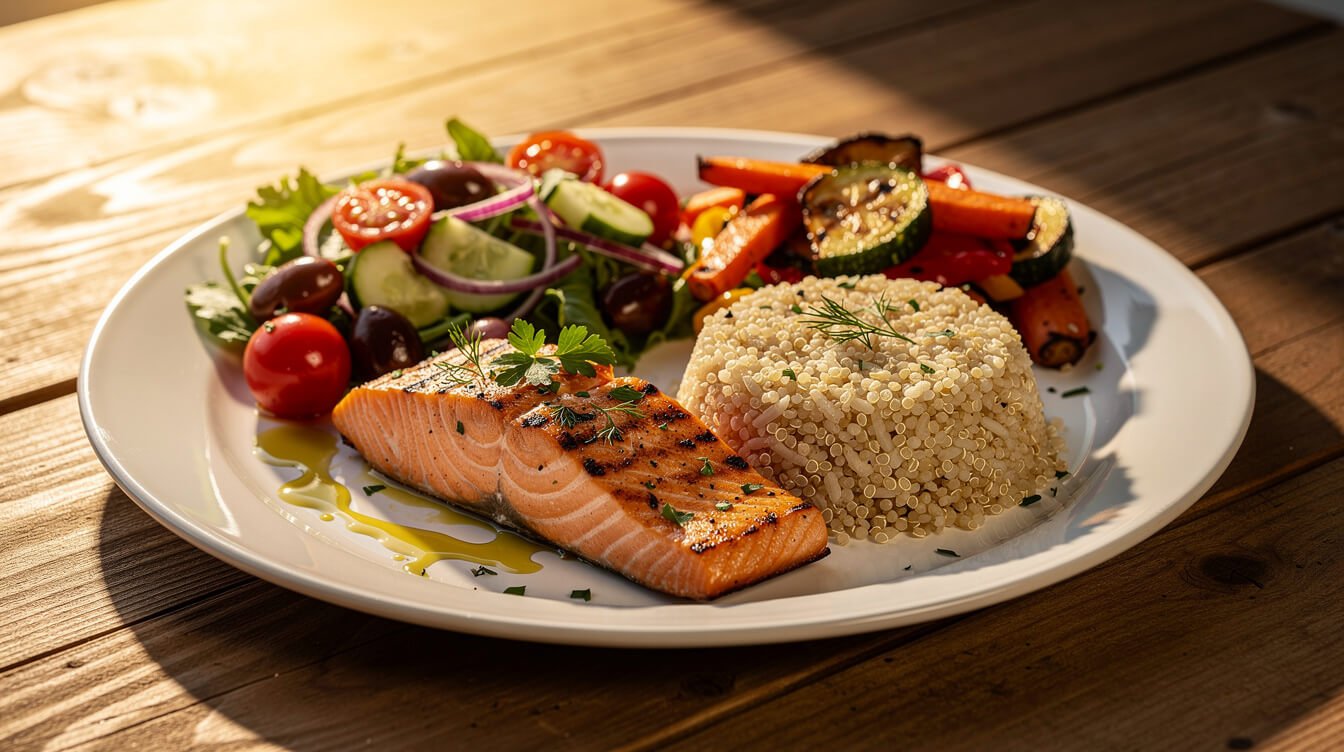
Understanding which foods are anti-inflammatory is valuable — but putting that knowledge into practice is what creates real change. The Mediterranean eating pattern, consistently rated among the healthiest dietary approaches worldwide, naturally emphasizes many of the anti-inflammatory foods we’ve discussed.
Here’s what a typical anti-inflammatory day might look like:
Morning
Start with a bowl of oatmeal topped with fresh blueberries, a sprinkle of walnuts, ground cinnamon, and a drizzle of raw honey. Pair it with green tea or golden milk (warm plant milk with turmeric, ginger, black pepper, and a touch of honey). This single breakfast includes multiple anti-inflammatory compounds — anthocyanins, ALA, cinnamaldehyde, curcumin, and EGCG.
Midday
A large salad with mixed dark leafy greens, cherry tomatoes, avocado, chickpeas, and grilled salmon, dressed with extra virgin olive oil and lemon juice. Add fresh herbs like basil or mint for extra flavor and phytonutrients.
Afternoon Snack
A handful of walnuts or almonds with a few squares of dark chocolate (70%+ cacao). Simple, satisfying, and deeply nourishing.
Evening
Baked sweet potato with steamed broccoli, sautéed garlic and ginger, a side of kimchi or sauerkraut, and your choice of protein. Finish with chamomile or ginger tea to support digestion and relaxation.
Key Principles for Building Your Plate
- Eat the rainbow: Each color in fruits and vegetables represents different phytonutrients — aim for variety across reds, oranges, yellows, greens, blues, and purples
- Prioritize whole foods: The closer a food is to its natural state, the more of its anti-inflammatory compounds remain intact
- Cook wisely: Steaming, baking, and light sautéing preserve nutrients better than deep frying or high-heat grilling
- Season generously: Herbs and spices aren’t just flavor — they’re concentrated sources of anti-inflammatory compounds
- Stay hydrated: Water supports every cellular process, including your body’s ability to manage inflammation. Aim for eight or more glasses daily
- Eat mindfully: Research suggests that how you eat matters almost as much as what you eat — slow, mindful eating supports better digestion and nutrient absorption
Beyond your plate, lifestyle factors play an important role too. Quality sleep, regular movement (even gentle zone 2 cardio), stress-management practices like breathwork and grounding exercises, and spending time in nature through earthing all contribute to a holistic anti-inflammatory lifestyle.
Frequently Asked Questions About Anti-Inflammatory Foods

What is the most powerful anti-inflammatory food?
While no single food is a magic bullet, fatty fish (particularly wild salmon, sardines, and mackerel) and turmeric are among the most extensively researched. The most effective approach is eating a variety of anti-inflammatory foods daily rather than relying on any one ingredient.
How quickly can anti-inflammatory foods make a difference?
Some people notice subtle changes in energy and digestive comfort within one to two weeks of shifting toward an anti-inflammatory eating pattern. Research suggests that measurable changes in inflammatory markers like CRP may become apparent within four to twelve weeks of consistent dietary changes. Patience and consistency are key.
Can I reduce inflammation through food alone?
Diet is one of the most powerful tools available, but inflammation is influenced by multiple factors. Quality sleep, regular movement, stress management, and gut health all play important roles. Our guide to natural remedies for inflammation covers a comprehensive, multi-faceted approach.
What are the worst foods for inflammation?
Ultra-processed foods, sugar-sweetened beverages, refined carbohydrates, processed meats, and foods containing trans fats are among those most consistently associated with increased inflammatory markers in research.
Is the Mediterranean diet anti-inflammatory?
Yes — the Mediterranean dietary pattern emphasizes many of the anti-inflammatory foods discussed in this guide: olive oil, fatty fish, fruits, vegetables, nuts, legumes, and herbs. Research consistently associates this eating pattern with lower levels of inflammatory markers and reduced risk of chronic disease.
Does gut health affect inflammation?
Absolutely. Your gut houses approximately 70% of your immune system, and research — including the landmark Stanford Cell (2021) study — demonstrates a direct link between microbiome diversity and inflammatory markers. Supporting your gut through fermented foods, prebiotic fiber, and diverse plant foods is one of the most effective strategies for managing systemic inflammation.
Can PEMF therapy complement an anti-inflammatory diet?
Emerging research suggests that pulsed electromagnetic field (PEMF) therapy may support circulation and cellular wellness, potentially complementing dietary and lifestyle approaches to inflammation management. While more research is needed, many wellness practitioners view PEMF as part of a holistic anti-inflammatory strategy.
Do I need to give up all inflammatory foods completely?
No — and trying to be “perfect” can actually create stress, which itself promotes inflammation. The goal is to shift your overall eating pattern so that anti-inflammatory foods make up the majority of your diet. The occasional treat isn’t going to undo the benefits of consistently nourishing choices.
Final Thoughts: Nourishing Your Way to Whole-Body Wellness
Embracing anti-inflammatory foods isn’t about following a strict diet or giving up the foods you love. It’s about making more room on your plate for the vibrant, nourishing whole foods that your body thrives on — colorful fruits and vegetables, omega-3-rich fish, healing herbs and spices, gut-supporting fermented foods, and wholesome grains and legumes.
Every meal is an opportunity to support your body’s natural ability to manage inflammation and maintain balance. Start where you are. Add one more serving of vegetables today. Swap your afternoon snack for a handful of walnuts. Brew a cup of green tea instead of reaching for soda. These small, consistent choices compound into powerful change over time.
Your body has an incredible capacity for healing when given the right support. And the journey toward an anti-inflammatory lifestyle — one nourishing bite at a time — is one of the most empowering steps you can take for your long-term wellness. 🌿